Tansy tea and other preparations have only relatively recently gained recognition as a medicinal, culinary, and aromatic plant. Its flowers contain tanacetin and essential oil (0.3%), which includes compounds such as borneol and thujone. The plant also provides organic acids, vitamin C, flavonoids, terpenes, tannins, and alkaloids.
Thanks to this unique composition, tansy tea can support the body in various ways. Traditionally, people have used it to ease women’s health concerns, stomach discomfort, intestinal parasites, rheumatic conditions, gout, headaches, and many other ailments. However, despite its long-standing reputation and potential benefits, it is important to remember that tansy also contains toxic compounds.
For this reason, you should never consume tansy tea excessively or use it carelessly. Overuse may lead to unwanted health effects and cause significant discomfort. Understanding the correct dosage and using this plant responsibly remain essential.
A Brief Introduction to Tansy
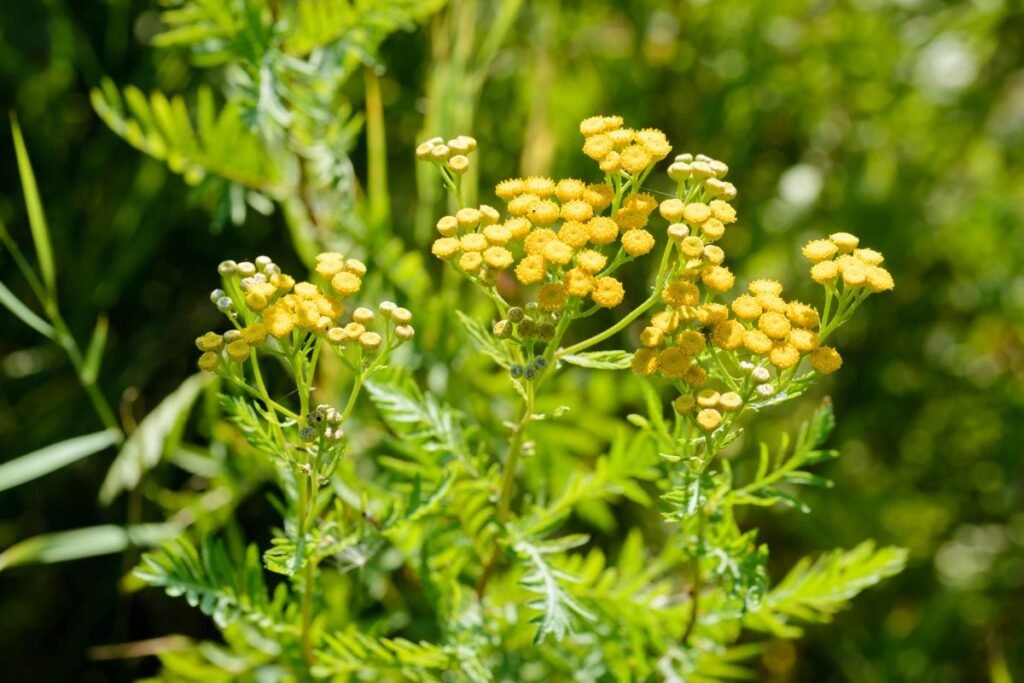
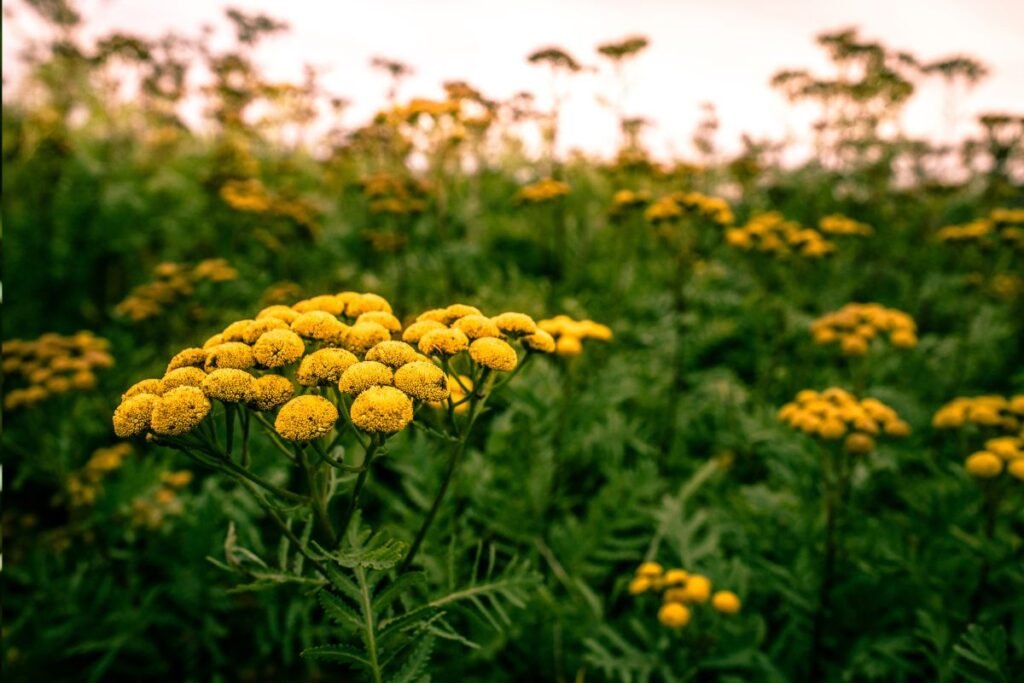
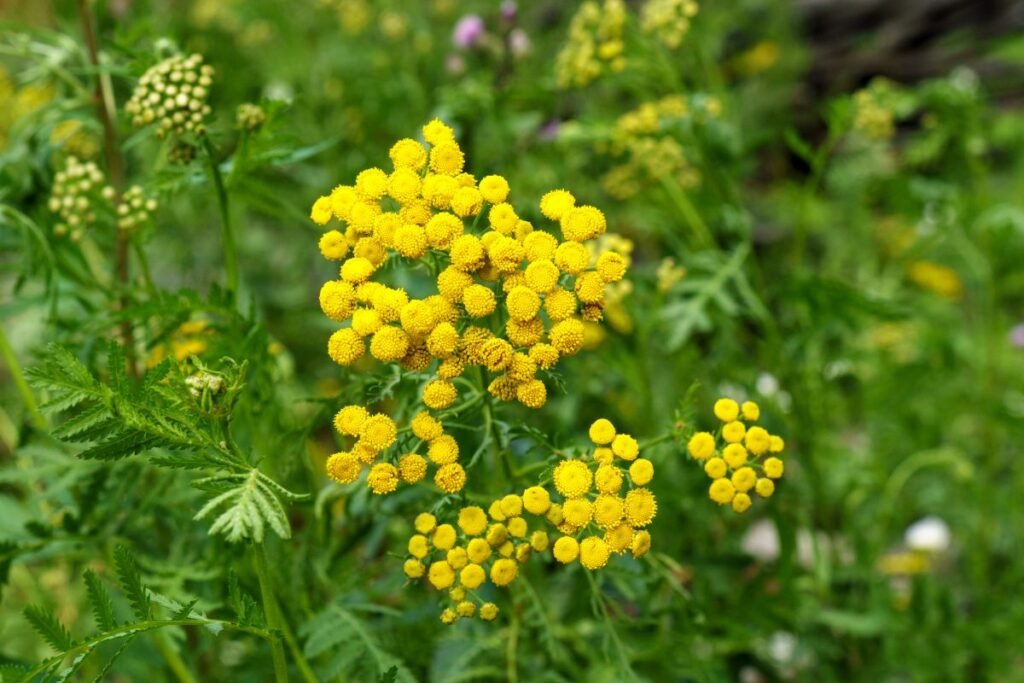
Common tansy (Tanacetum vulgare) belongs to the large daisy family (Asteraceae), among nearly 120 tansy species. This perennial herbaceous plant resembles a small shrub covered with clusters of bright golden flowers.
Beyond its traditional medicinal uses, tansy has also become popular in landscape design. Once planted, the plant gradually spreads through new shoots and can occupy a considerable area within a few years. A six-year-old tansy plant can grow up to 50 cm in height and spread up to 1.5 m in width.
Tansy blooms at the beginning of summer. In June, umbrella-shaped flower clusters appear at the tops of its stems. These clusters look almost as if they have been covered with tiny golden buttons. Each flower head contains up to 12 small, vivid yellow flowers that release a distinctive camphor-like fragrance.
Collecting and Drying Tansy
Tansy commonly grows along roadsides, near residential areas, in meadows, and along riverbanks. For medicinal purposes, people use tansy flowers rather than the entire plant. You can start collecting them at the beginning of the flowering season.
When harvesting tansy, pick only the flower heads and avoid including the stems. As with other medicinal herbs, gather the flowers only when they are completely dry. Choose a warm, sunny day for harvesting, preferably during the first half of the day after the morning dew has evaporated.
Dry the collected plant material in a well-ventilated area away from direct sunlight, or use a dehydrator at a temperature no higher than +40°C. Proper drying helps preserve the plant’s valuable compounds and ensures better storage quality.
Potential Health Benefits of Tansy Tea
Although traditional herbal medicine has valued tansy for centuries, modern research has also explored its potential effects on human health. According to scientific studies, tansy may offer several beneficial properties:
May Support Digestive Health. The active compounds of tansy may reduce intestinal gas formation and support easier digestion. It relieves digestive discomfort, including stomach pain, symptoms associated with gastric ulcers, and certain gallbladder-related issues.
May Help Prevent Kidney Stone Formation. Some herbal medicine traditions suggest that combining tansy with nettle may support kidney health and help reduce the risk of kidney stone formation.
May Support Joint Health. Both internal and external use of tansy preparations has traditionally helped ease symptoms associated with musculoskeletal conditions. Tansy compresses may help reduce inflammation during minor injuries (sprains, episodes of acute gout).
May Reduce Inflammation. Tansy contains compounds with strong anti-inflammatory potential.
May Help Calm Allergic Responses. Allergic reactions can appear in many forms, including skin irritation, itching, asthma attacks, coughing, breathing difficulties, sneezing, and even hiccups. Scientific studies suggest that tansy essential oil may have antihistamine-like properties. Regular use in appropriate therapeutic amounts may help reduce the intensity and frequency of allergic reactions.
May Support the Endocrine System. Tansy essential oil may influence the activity of endocrine glands. Several studies have explored its potential role in supporting hormone production, including processes related to the thymus gland and thyroid function.
May Help Ease Nervous System-Related Issues. Nervous system disturbances can include anxiety, irritability, depressive moods, emotional outbursts, and impulsive behavior. Research suggests that using tansy tea and essential oil in controlled therapeutic amounts may help relax nerve pathways and support a calmer central nervous system.
Tansy Tea: A Traditional Remedy Against Fungi, Bacteria, and Parasites
Tansy tea, herbal infusions, and essential oils have long been used in traditional medicine as natural remedies to help combat fungi, bacteria, and parasites. This plant may offer several protective properties:
May Help Fight Intestinal Parasites. Like wormwood, tansy contains thujone, a compound traditionally associated with antiparasitic activity. However, it is important to remember that thujone is a highly toxic plant compound and requires careful use in small amounts. Tansy’s antiparasitic properties may also support skin health when parasites affect damaged skin. External application of tansy-based herbal infusions has traditionally helped cleanse wounds and encourage the natural renewal of skin tissue.
May Provide Antibacterial Support. Tansy essential oil demonstrates antibacterial potential and may affect resistant microorganisms. The active compounds in tansy not only interfere with microbial activity but may also limit their ability to multiply. Because of its concentrated nature, tansy essential oil requires extremely careful use and should only be applied in very small quantities.
May Help Limit Fungal Growth. Research suggests that tansy essential oil may inhibit the growth and spread of certain fungal species. Studies indicate that some fungi affecting the skin and mucous membranes may respond to tansy-derived compounds. Tansy essential oil has shown potential protection against fungal conditions that affect the skin and hair, as well as certain respiratory and digestive complaints linked to fungal imbalance.
It May Act as a Natural Insect Repellent. Many people struggle with household pests such as cockroaches, ants, mosquitoes, lice, bed bugs, and fleas. Tansy essential oil has traditionally been used as a natural insect-repelling solution. Its aromatic compounds and active components may help repel or reduce the presence of unwanted insects. People often add the oil to sprays and diffusers, as its strong scent may also discourage rodents and certain small reptiles from entering living spaces.
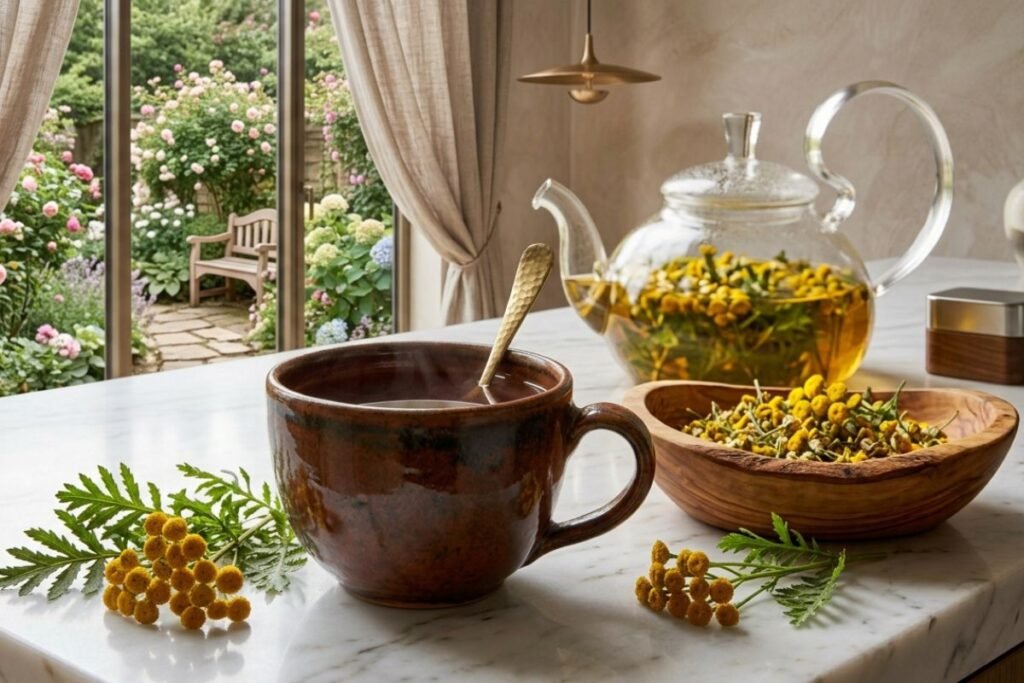
How to Prepare Tansy Tea
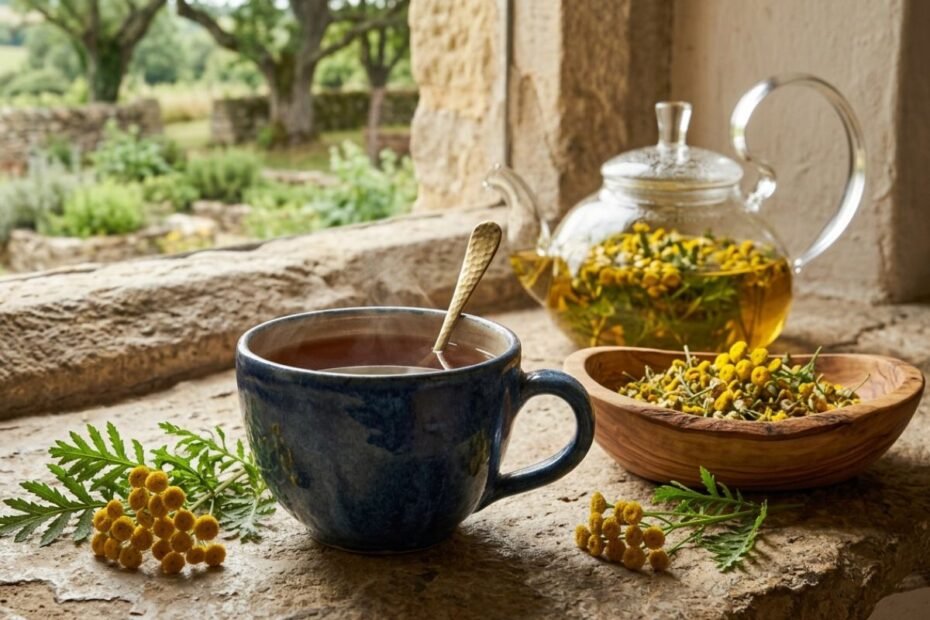
Prepare tansy tea using a traditional infusion method. Add 5 g of dried tansy flowers to 200 ml of hot, boiled water. Allow the infusion to cool, then strain it before drinking.
Traditionally, people have used this tea to support digestive comfort during conditions such as intestinal inflammation, enteritis, colitis, and duodenal ulcers. A common traditional serving suggests drinking one-third of the prepared amount three times daily.
For discomfort associated with osteochondrosis, gout, or rheumatic conditions, traditional herbal practices recommend taking one tablespoon of the infusion three times per day.
Tansy Alcohol Infusion
To prepare a tansy tincture, combine 25 g of dried tansy flowers with 100 ml of vodka and store the mixture in the refrigerator. After five days, the infusion will be ready for use.
Traditionally, this tincture has been used to support digestion, particularly digestive discomfort, diarrhea, gastritis, or low stomach acid levels. A traditional method involves taking 30–40 drops diluted in 100 ml of warm water, three to four times daily.
Important note: Tansy contains thujone and other compounds that can become harmful when consumed incorrectly or in excessive amounts. Pregnant women, children, and people with certain health conditions should avoid using tansy preparations unless they receive guidance from a qualified healthcare professional.
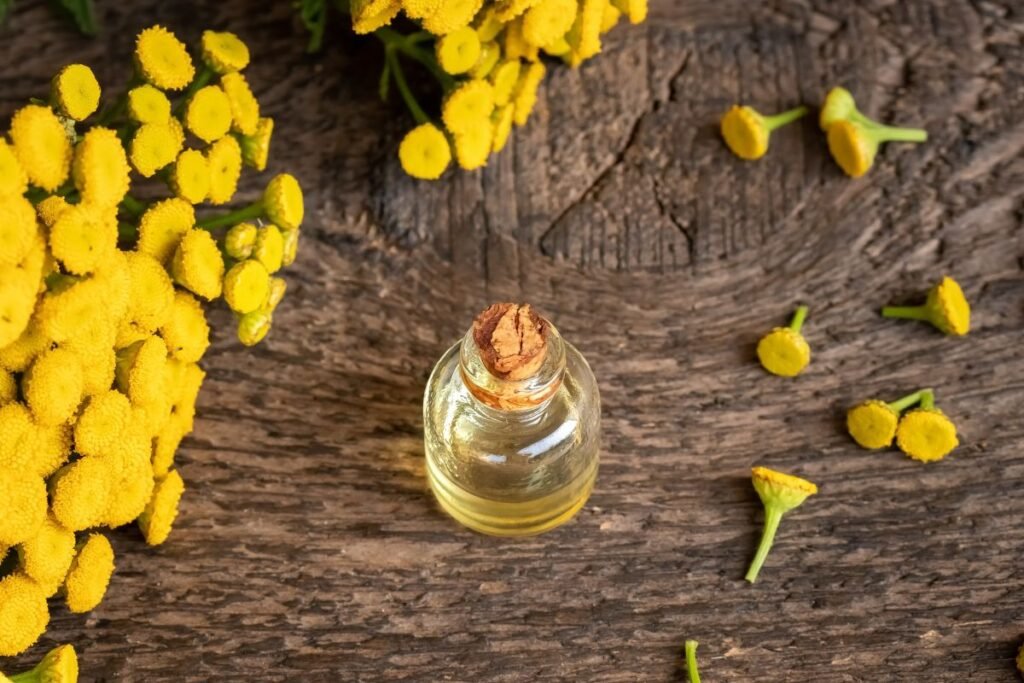
Tansy Ointment
Preparing a tansy ointment is a simple process. Grind dried tansy flowers into a fine powder and combine them with unsalted butter in a 1:4 ratio. It is best to prepare only a small amount of ointment, enough for one or two applications, to ensure freshness.
Traditionally, people have used this ointment to support the healing of skin abscesses (pyoderma). Apply it regularly to affected areas until the symptoms improve.
Tansy Tea for External Use
To prepare tansy tea for external applications, add one tablespoon of dried tansy flowers to 250 ml of boiling water. Place the container in a hot water bath for five minutes to allow the beneficial compounds to infuse.
Afterward, strain the infusion and let it cool to a comfortable temperature. Use it as a compress for skin inflammation, swelling, bruises, arthritis-related discomfort, external hemorrhoids, and slow-healing wounds.
In cases of stomatitis or sore throat, you can also use this infusion as a mouth or throat rinse.
Who Should Avoid Tansy Tea?
Tansy is a highly toxic plant that requires careful handling. To use it safely and reduce the risk of adverse effects, consult a healthcare professional before including tansy preparations in your routine and always follow appropriate dosage guidelines.
Tansy should not be used by:
- children under 15 years of age
- pregnant or breastfeeding women
- people with gallstones
- individuals experiencing acute gastrointestinal conditions
- people with heart failure
How to Use Tansy Tea Safely and What Side Effects May Occur
When preparing tansy-based teas and infusions, remember that the concentration of active compounds should not exceed 5%. For adults, the total daily amount of tansy tea should remain below 500 ml.
Exceeding the recommended amount may cause various unwanted effects, including:
- digestive problems such as nausea, diarrhea, and vomiting
- weakness, dizziness, and headaches
- impaired coordination
- reduced brain activity and slowed mental responses
- vision disturbances
If the first signs of poisoning appear, stop using tansy immediately and seek medical attention as soon as possible.
Sources:
- https://www.frontiersin.org/articles/10.3389/fphar.2023.1169629/full
- https://www.mdpi.com/2073-4395/12/2/277
Research:
- https://pubmed.ncbi.nlm.nih.gov/19501272/
- https://www.sciencedirect.com/science/article/abs/pii/S1572599502800448?via%3Dihub
Associative photos © Canva.