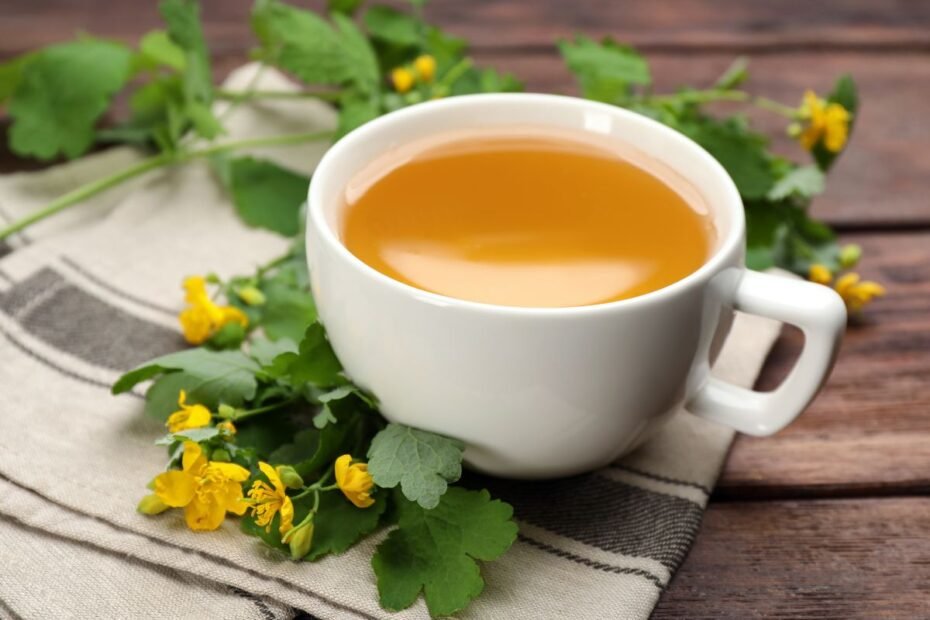
Do you remember that sharp, stinging sensation from childhood after accidentally brushing against a celandine plant? Now imagine that very same plant transformed into a warm, fragrant cup of herbal tea. It may sound surprising, but the wild herb that once irritated your skin can become a soothing and flavorful drink. Celandine tea offers far more than its distinctive taste, as it has earned a long-standing reputation as a traditional herbal remedy with numerous potential health benefits. Many people have enjoyed it for its comforting warmth and wellness properties for centuries. That is exactly why celandine deserves a closer look, because what once seemed like an unpleasant childhood memory can become a valuable addition to a natural wellness routine.
What Does Celandine Look Like?
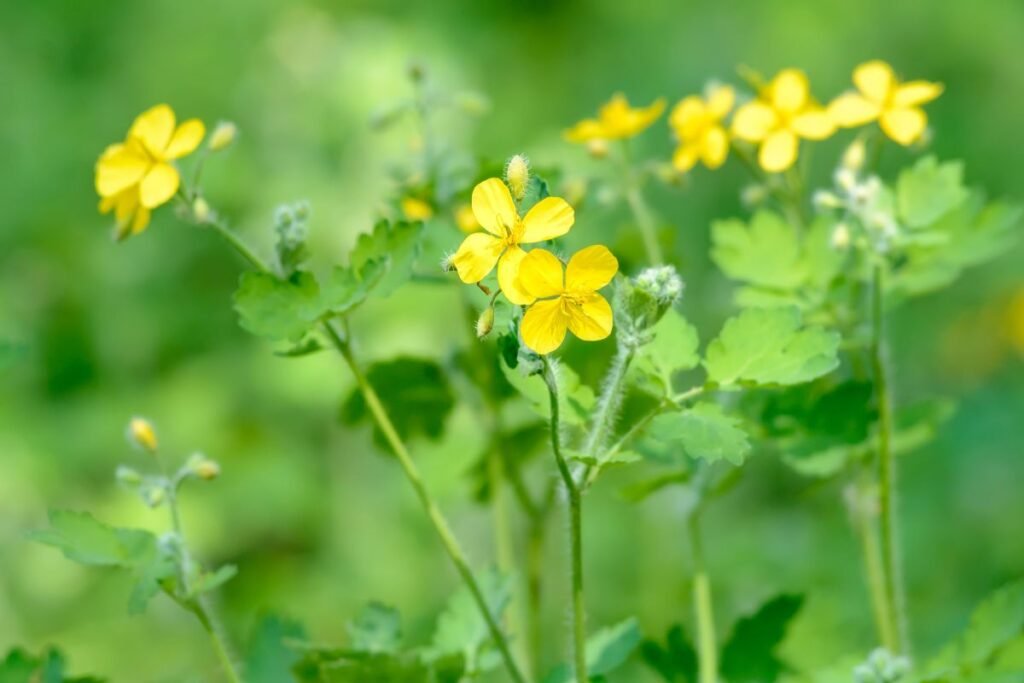
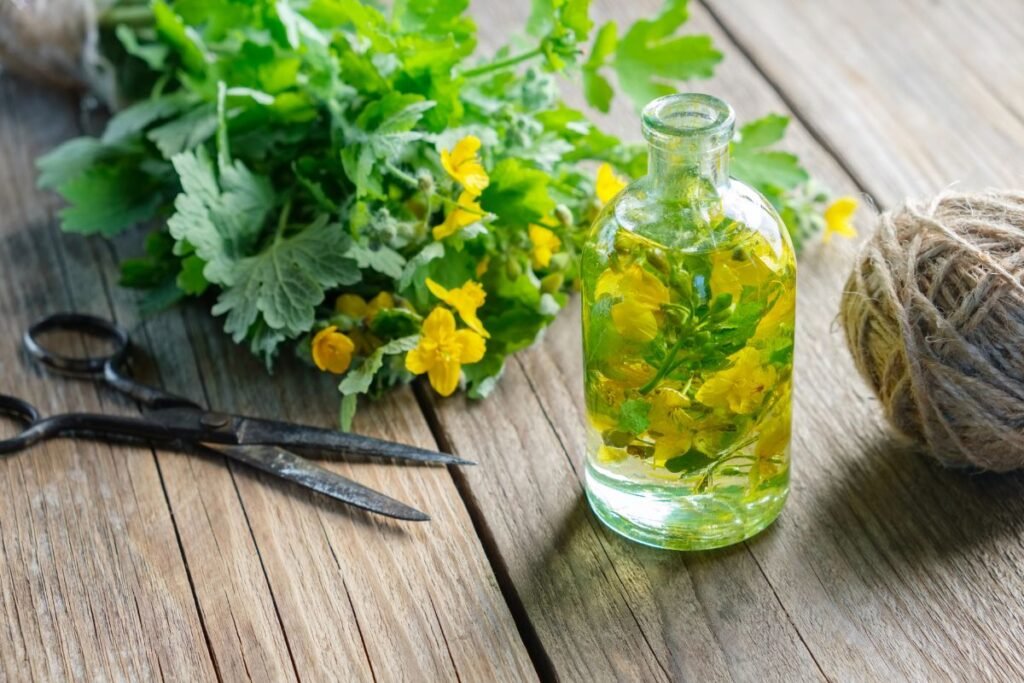
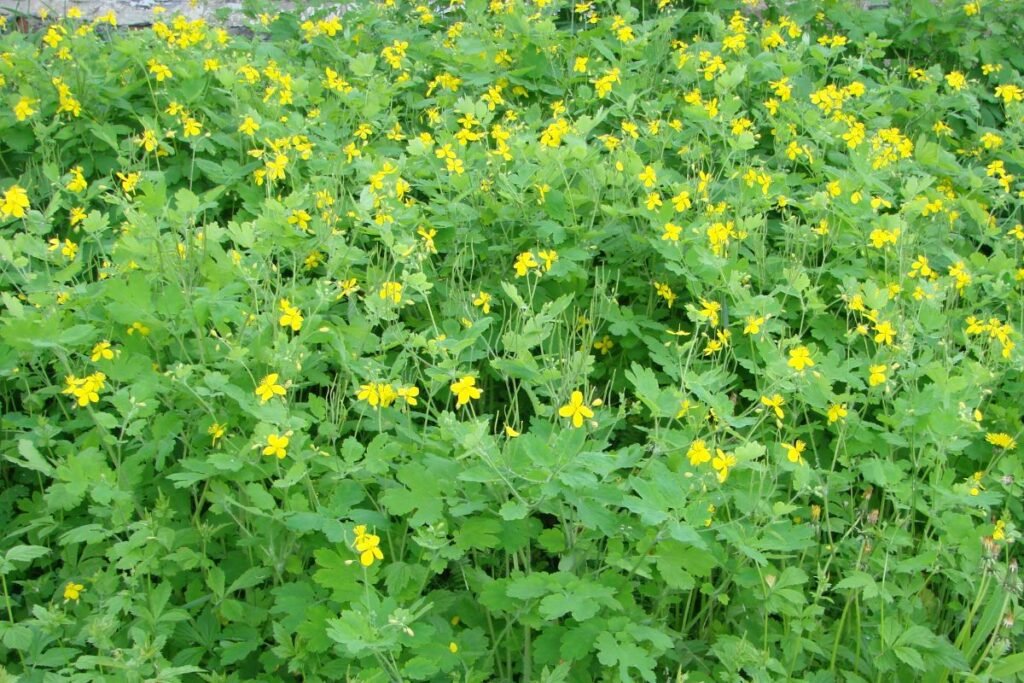
You have probably come across celandine (Chelidonium) while walking through woodlands, meadows, or along country paths. The plant stands out thanks to several distinctive features that make identification relatively straightforward. Its upright stems carry numerous leaves with a grayish-green underside and a brighter green upper surface. At the top of each stem, clusters of four to eight vivid yellow flowers form delicate umbrella-like blooms that attract immediate attention.
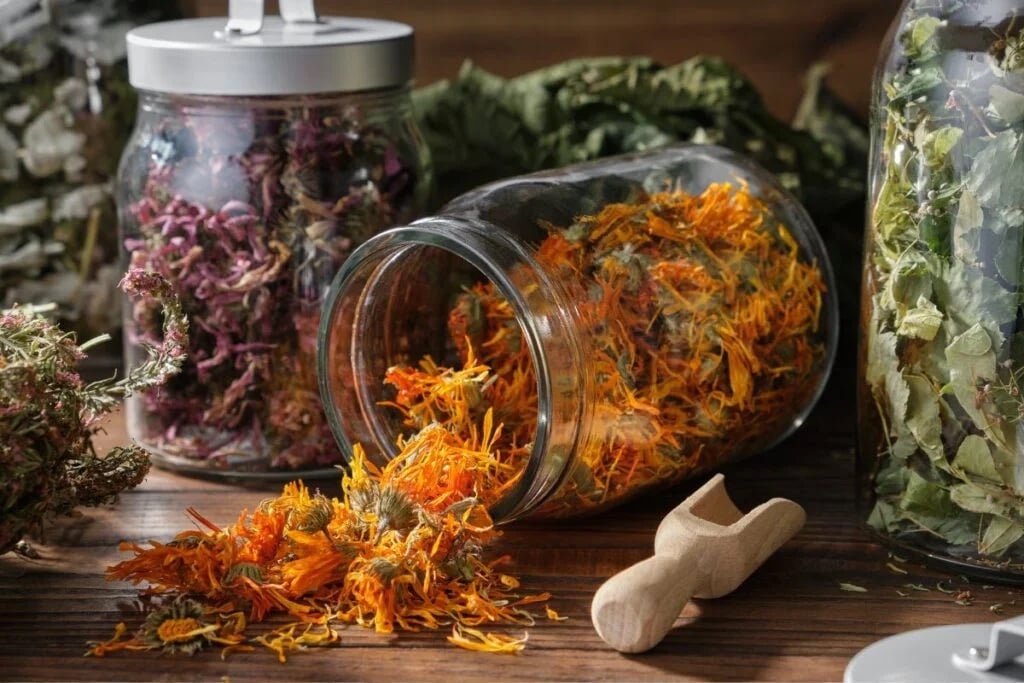
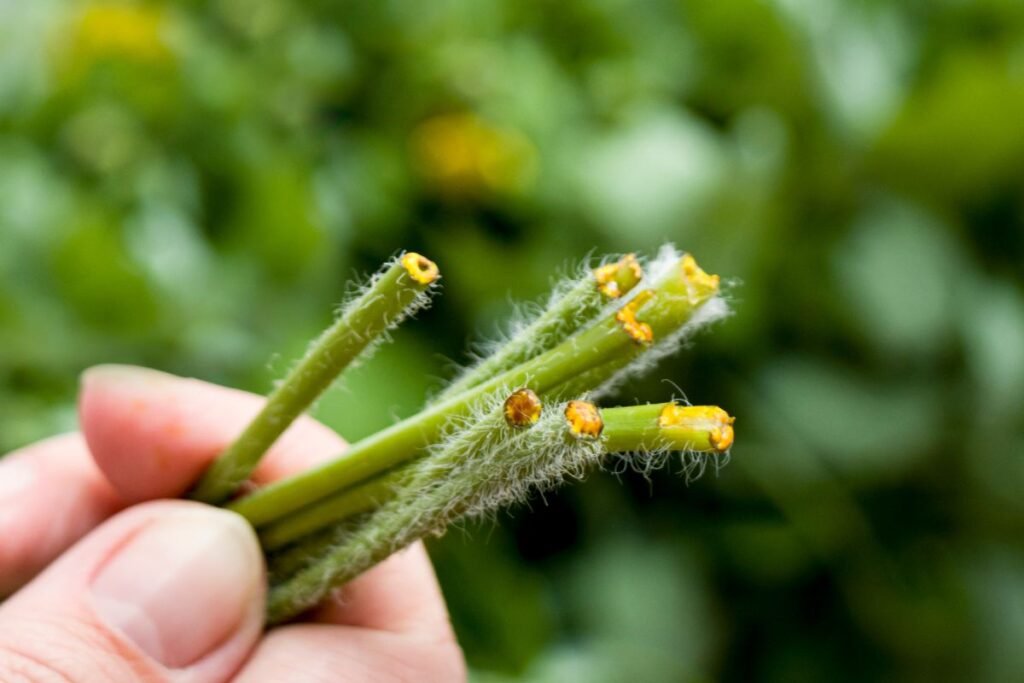
One of celandine’s most recognizable characteristics is the bright yellow-orange sap hidden inside its stems and leaves. As soon as the plant breaks, this colorful juice appears. While it makes the herb easy to identify, it can also irritate the skin, so you should handle fresh celandine with care.
Celandine Tea
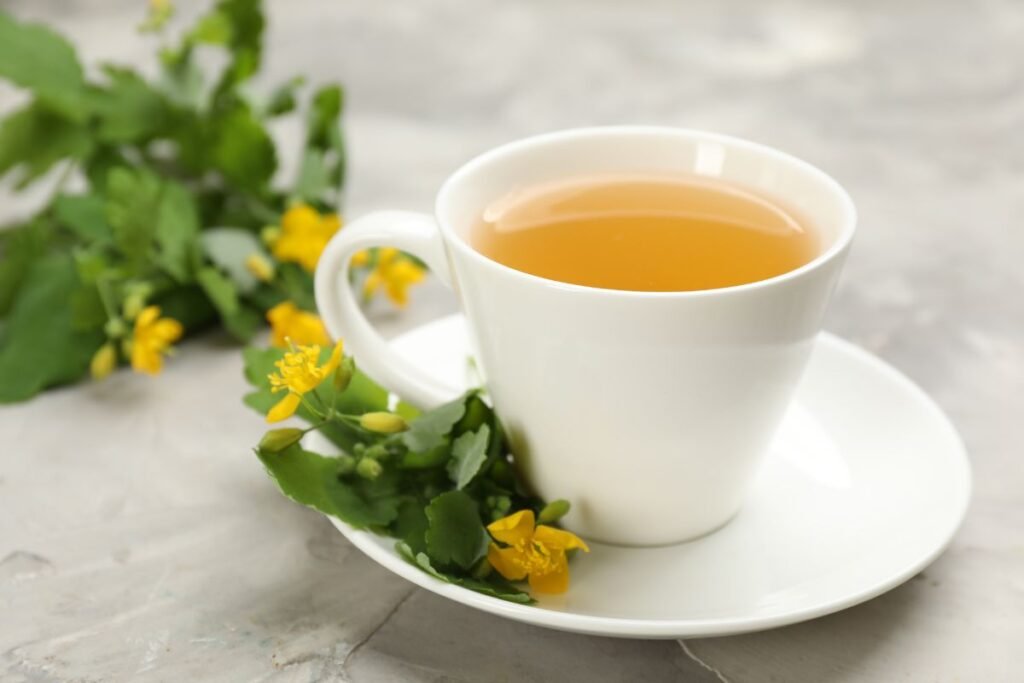
Celandine tea combines a rich herbal flavor with centuries of traditional medicinal use. Although touching the fresh plant may cause skin irritation, properly prepared tea tastes surprisingly mild and pleasant. Preparing it requires only a few simple steps. So, how to make celandine tea?
- Begin by gathering fresh, healthy celandine leaves from plants that grow in clean, unpolluted areas. If you are unsure whether you have found the correct herb, avoid relying on the old folk belief that touching the leaves should produce a burning sensation. Instead, identify the plant by its distinctive yellow flowers, deeply lobed leaves, and characteristic yellow-orange sap. For one cup of tea, use approximately two tablespoons of fresh leaves.
- Rinse the leaves thoroughly under cool running water to remove dirt, dust, and any other impurities.
- Bring fresh water to a boil, then allow it to cool slightly. A temperature between 85°C and 90°C (185°F–194°F) produces the best infusion without damaging the plant’s delicate compounds.
- Place the prepared leaves into a cup or teapot and pour the hot water over them.
- Allow the tea to steep for five to seven minutes. A longer steeping time produces a stronger flavor and a more concentrated infusion.
- Strain the leaves before drinking.
Best Ways to Enjoy Celandine Tea
- Many herbal enthusiasts prefer drinking celandine tea in the morning, as they believe it provides a refreshing start to the day and supports overall vitality.
- Although herbal medicine values celandine for its potential health-promoting properties, moderation remains essential. Most herbal practitioners recommend drinking the tea no more than two or three times per week instead of making it part of a daily routine.
- If you prefer a sweeter or brighter flavor, add a teaspoon of honey or a few drops of fresh lemon juice after brewing.
- Unlike fresh sap, properly prepared celandine tea does not produce the same irritating or burning sensation in the mouth. But it regards how long you allow the leaves to steep.
Potential Health Benefits of Celandine
- Supports Natural Detoxification. Traditional herbal medicine has long valued celandine for its mild diuretic properties, which may help the body eliminate excess fluids and metabolic waste through urine production.
- Helps Reduce Inflammation. Celandine contains naturally occurring antioxidant compounds that may help neutralize free radicals and support the body’s normal inflammatory response.
- Promotes Healthy Circulation. Although fresh celandine sap can irritate the skin, herbal traditions have associated the plant with improved blood circulation. Practitioners have historically believed that its active compounds stimulate healthy blood flow throughout the body.
- May Benefit Skin and Hair. Traditional herbal applications include celandine preparations to support healthy skin. Some people apply celandine extracts to help manage acne, dry skin, or other minor skin concerns. While others use herbal preparations to strengthen hair and improve scalp health.
Celandine Tea and Herb in Traditional and Modern Medicine
For centuries, people across Europe and Asia have relied on celandine as a medicinal herb to address a wide range of health concerns. Ancient European healers commonly recommended it for muscle and joint pain, digestive discomfort, and various skin conditions. Herbal practitioners also considered celandine one of the most effective natural remedies for removing warts, and many traditional medicine systems prescribed it for conditions such as jaundice, gout, and chronic skin disorders.
The renowned French herbalist Maurice Mességué frequently incorporated celandine into his natural treatment methods. He recommended hand and foot baths prepared with the herb and encouraged the use of celandine tea as part of broader herbal wellness practices. Traditional medicine in East Asia also valued celandine, particularly as a remedy for stomach ulcers and other digestive ailments.
Modern scientific research continues to investigate the biological activity of celandine extracts and the compounds they contain. Recent studies show that celandine can be used as a natural remedy to combat certain types of cancer and may help lower blood sugar levels. In addition, modern products containing celandine are used to treat allergies, asthma, and even Parkinson’s disease.
Can Celandine Really Remove Warts?
One particularly interesting case from a dermatology clinic in Poland highlighted celandine’s long-standing reputation as a wart remedy. A four-year-old boy developed numerous warts on his hands, and his parents wanted to avoid invasive treatment whenever possible. They obtained fresh celandine from the Department of Medicinal and Cosmetic Natural Products at the Poznań University of Medical Sciences Botanical Garden and prepared a simple topical treatment using the plant’s fresh yellow-orange sap.
Twice each day, they gently applied the sap directly to the warts and allowed it to dry naturally. Before every new application, they carefully removed the previous dried layer. After only two weeks, the smaller warts had disappeared completely, while the largest lesions had shrunk by approximately half. The parents continued the treatment for several more weeks, and the remaining wart gradually decreased in size until it vanished entirely after about two months.
Celandine and Psoriasis
Researchers have investigated several compounds found in celandine for their potential effects on inflammatory skin disorders. Some studies suggest that certain plant constituents may help reduce inflammation, support normal skin repair, and protect skin cells from oxidative stress.
People sometimes apply cooled celandine tea to affected areas of the skin as a traditional home remedy. In addition, various herbal creams, ointments, and cosmetic products contain celandine as a botanical ingredient for skin care.
Anyone with psoriasis or another chronic skin condition should speak with a dermatologist or another qualified healthcare provider before using celandine-based products, especially if they already receive prescription treatment.
Celandine Tincture
Herbalists typically prepare celandine tincture by soaking fresh or dried celandine leaves in alcohol, most commonly 70% ethyl alcohol, for a specific period. During this process, the alcohol extracts the plant’s bioactive compounds and creates a concentrated herbal preparation. Once the extraction reaches completion, the herbalist filters the liquid and stores it in a dark, cool place to preserve its stability and potency.
Because celandine tincture contains a highly concentrated blend of plant compounds, it delivers a much stronger effect than herbal tea. For this reason, people primarily use it as a topical remedy to address various skin conditions rather than as an internal supplement.
Can Celandine Be Toxic?
Despite its long history in traditional herbal medicine and its many potential health benefits, celandine is not a harmless herb. Every part of the plant contains naturally occurring alkaloids and other biologically active compounds that may cause adverse effects when people consume the herb improperly or in excessive amounts.
Fresh celandine sap deserves particular attention because it can strongly irritate the skin and eyes while also triggering allergic reactions in sensitive individuals. Direct contact with the sap may lead to redness, burning, inflammation, or discomfort, especially after prolonged exposure.
For these reasons, anyone considering celandine as a medicinal herb should consult a qualified healthcare professional before using it. Responsible use, appropriate dosing, and proper preparation all play essential roles in reducing potential risks. Incorrect use or excessive consumption may result in unwanted side effects and could negatively affect overall health.
Who Should Avoid Celandine Tea and Preparations?
Although many people use celandine in herbal medicine, certain groups should avoid the herb entirely or use it only under strict medical supervision.
- Pregnant and breastfeeding women. Researchers have not established enough reliable evidence to confirm that celandine remains safe during pregnancy or while breastfeeding. Healthcare professionals generally recommend avoiding the herb throughout these periods.
- People with liver disease. Several reports have linked celandine to liver injury, particularly after prolonged internal use or high doses. Individuals with existing liver disorders face a greater risk of complications and should not use celandine unless their physician specifically recommends it.
- Children. Children’s bodies process herbal compounds differently from adults’, and their lower body weight increases the risk of adverse reactions. Parents should therefore avoid giving celandine preparations to children unless a qualified healthcare provider advises otherwise.
- People taking prescription medications. Celandine may interact with certain medications, especially those that affect liver function or undergo liver metabolism. Anyone who regularly takes prescription medicine should consult a physician or pharmacist before combining medications with celandine products.
If you suspect celandine poisoning or experience symptoms such as severe nausea, vomiting, abdominal pain, dizziness, jaundice, or signs of an allergic reaction after using the herb, seek emergency medical attention immediately.
Final Thoughts
For centuries, people have valued celandine for its traditional medicinal uses, yet modern medicine continues to debate its effectiveness and safety. Clinical studies suggest that compounds in the plant may offer antiviral, anti-inflammatory, antioxidant, and other potentially beneficial properties. At the same time, medical researchers continue to warn about the possibility of liver toxicity, adverse reactions, and other safety concerns, particularly when people consume large amounts or use concentrated preparations without medical guidance.
It is important to remember that “natural” does not always mean “safe.” Before drinking celandine tea or using any celandine-based product, speak with a qualified healthcare professional to determine whether it is appropriate for your individual circumstances.
When used responsibly and in moderation, celandine tea can serve as a pleasant herbal beverage with a long tradition of use.
Sources:
- https://www.researchgate.net/figure/ral-wart-on-the-hand-following-two-weeks-of-treatment
- https://www.peacehealth.org/medical-topics/id/hn-2101000
- http://elibrary.dcnr.pa.gov/PDFProvider.ashx?action=PDFStream&docID
- https://www.ncbi.nlm.nih.gov/pmc/articles/PMC5912214/
Associative photos © Canva.