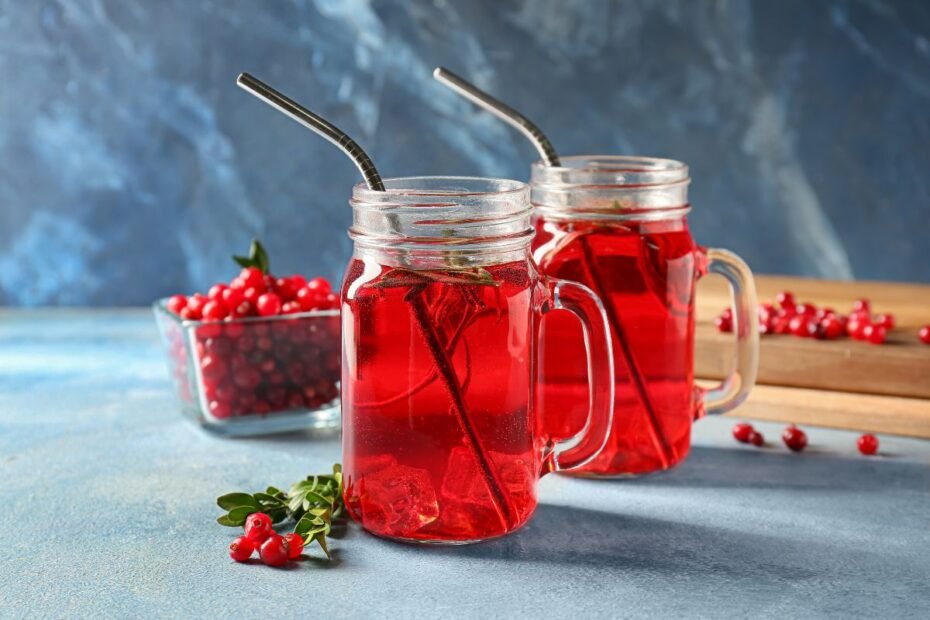
People have relied on lingonberries in traditional medicine for centuries. The most popular way to harness their health-promoting properties is lingonberry tea, which you may prepare from both the leaves and the berries. Modern scientific research confirms what herbalists have long maintained: the key bioactive compounds beneficial to health concentrate in both parts of the plant. In other words, the berries and the leaves offer comparable therapeutic value.
Lingonberry (Vaccinium vitis-idaea), a member of the heather family (Ericaceae), grows naturally across the Northern Hemisphere in temperate climates. People often associate it with Scandinavia, where it thrives and plays a central role in regional cuisine. It also grows in Central Europe, Canada, North Asia, and Alaska. Typical habitats include dry pine forests, transitional and raised bog margins, and tundra landscapes.
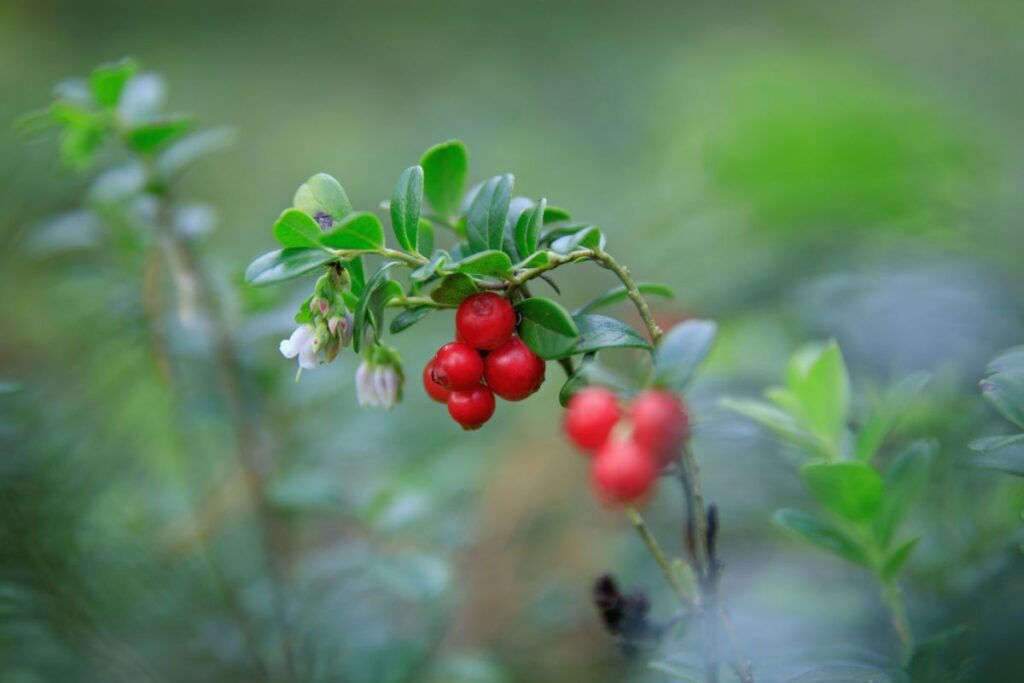
This plant forms a perennial, evergreen dwarf shrub that reaches 7–25 cm in height. Its leaves are oval, smooth-edged, and leathery, with a dark green upper surface and a paler underside. It blooms in May and June, producing small, bell-shaped flowers in clusters with a white-to-pinkish hue. The berries are small and round; they start white and ripen into a vivid red by August and September. Fresh berries taste tart, slightly astringent, and mildly bitter.
Harvesting and Preparing Lingonberry Raw Material
You can purchase lingonberry berries (frozen, dried, or ground) and dried leaves in stores or pharmacies. However, nature also offers the opportunity to gather them yourself.
Berries:
- Harvest in August and September when they turn bright red, a clear sign of full ripeness.
- To preserve their beneficial properties, freeze or dry them.
Leaves:
- Pick either in early spring, before flowering, or in late September, after the berry harvest.
- In spring, collect young shoots with fresh leaves; in autumn, gather branches with dense foliage.
- Avoid harvesting during summer, as the plant directs its nutrients toward fruit development, making the leaves less potent and prone to discoloration during storage.
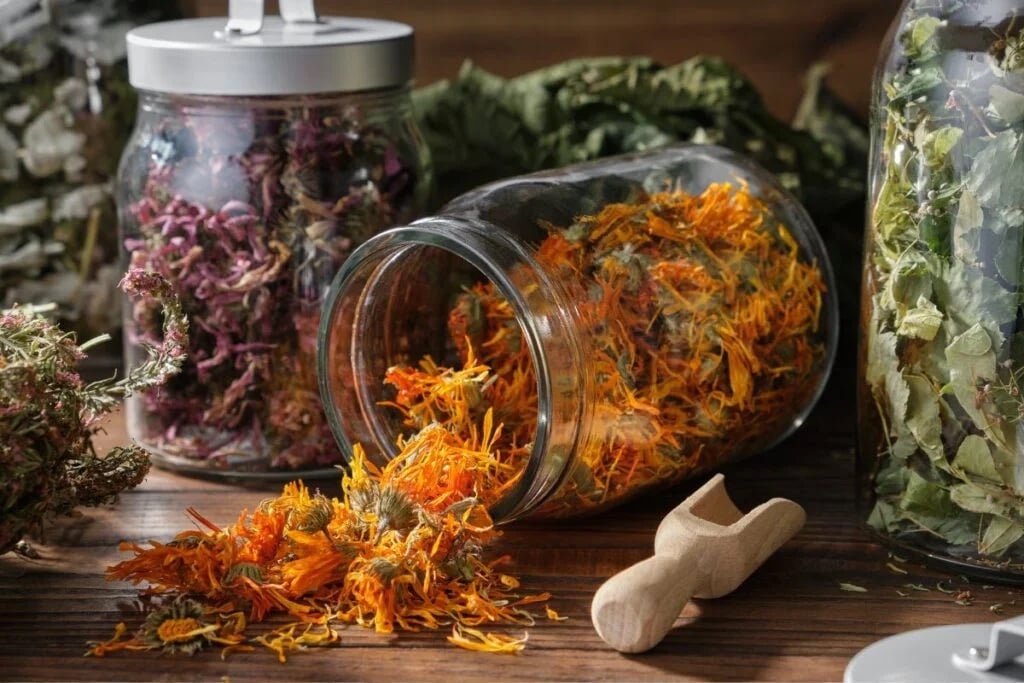
Dry the leaves in a warm, dry place away from direct sunlight, or use an oven at about 35°C. Spread them in a thin layer and turn occasionally. Store fully dried leaves in paper or linen bags; they remain suitable for use for up to three years.
Health Benefits of Lingonberry Tea, Berries, and Leaves
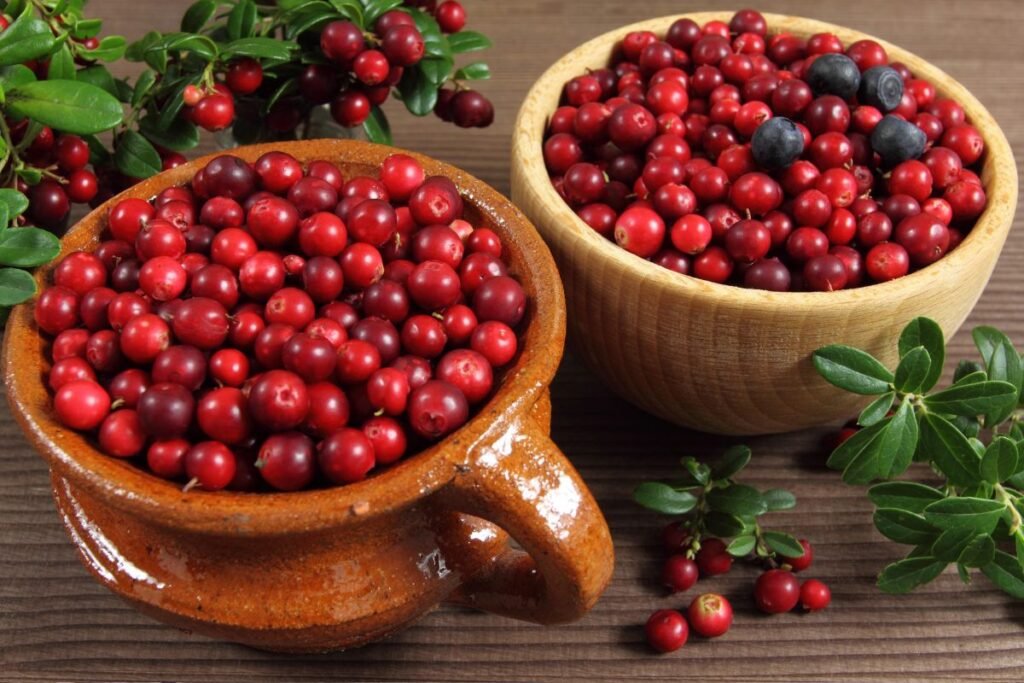
Lingonberries qualify as a true “superberry.” They surpass cranberries and blueberries in antioxidant content, which defines their primary strength. In addition, they provide vitamin C, vitamin P, and B-group vitamins, along with essential minerals such as iron, calcium, and potassium. They also contain organic acids, tannins, pectins, and other compounds vital for human health. This rich combination supports overall wellness, helps prevent disease, and contributes to recovery from various conditions.
Lingonberries:
- Reduce inflammation in the body
- Support urinary tract, bladder, and kidney health
- Help balance the gut microbiota and prevent inflammation in the liver and adipose tissue.
- Protect against cardiovascular diseases; anthocyanins shield heart cells from oxidative damage.
- Soothe throat inflammation
- Support eye health and protect against harmful blue and UVA light.
- Help prevent neurodegenerative processes and support their management.
Lingonberry Tea from Leaves and Variations
The classic method involves steeping the plant material in boiling water.
Basic recipe:
- 2 tablespoons dried lingonberry leaves
- 500 ml of water
Place the leaves in a pot, add water, and bring to a boil. Turn off the heat and let it steep for about 10 minutes, then strain. Drink half a cup three times daily, about 30 minutes before meals. Add honey if desired or combine with black, green, or other teas. You can also enrich tea with dried berries or lingonberry powder.
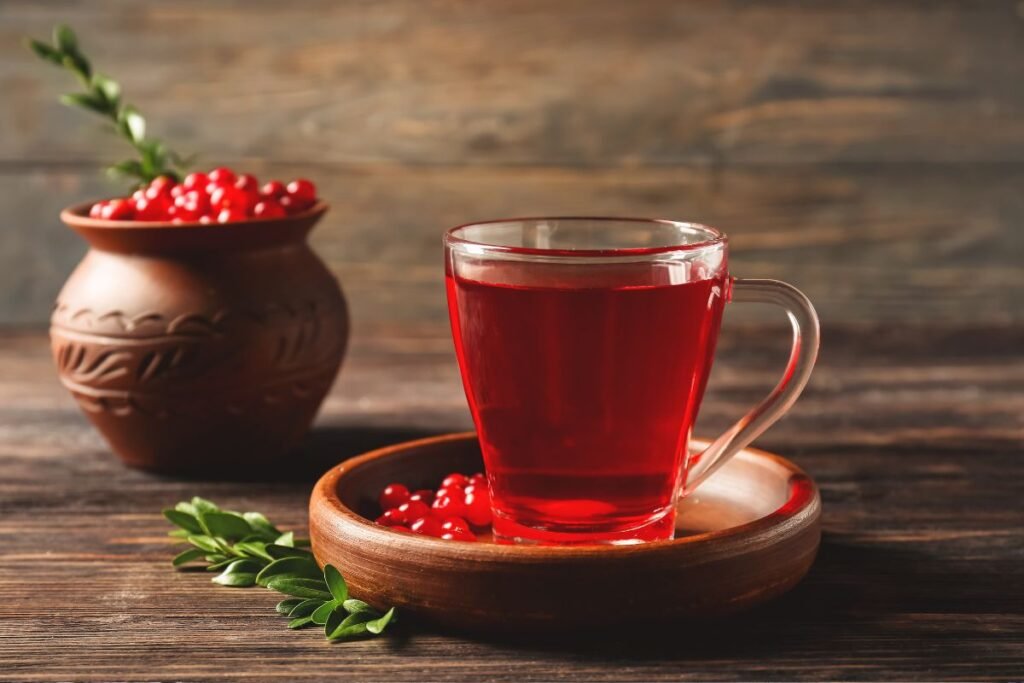
Strengthening tea blend
For this recipe, you need:
- 3 teaspoons of your preferred tea
- 2 teaspoons dried lingonberry leaves
- ½ teaspoon cinnamon
- 500 ml of water
Brew in a ceramic teapot. Add all ingredients, pour boiling water, and steep for 5 minutes. Sweeten with honey or maple syrup if desired. Dilute with water if the flavor feels too strong.
Anti-inflammatory lingonberry tea
Combining lingonberries with rose hips boosts vitamin C content and strengthens resistance to infections.
- 1 teaspoon dried lingonberry leaves
- 1 teaspoon dried rose hips
- a large cup of water
Pour boiling water over the ingredients, steep for 15 minutes, and drink.
Natural Diuretic Properties of Lingonberry Leaves
Lingonberry leaves act as an effective natural diuretic and rarely cause side effects. People often use them to reduce fluid retention.
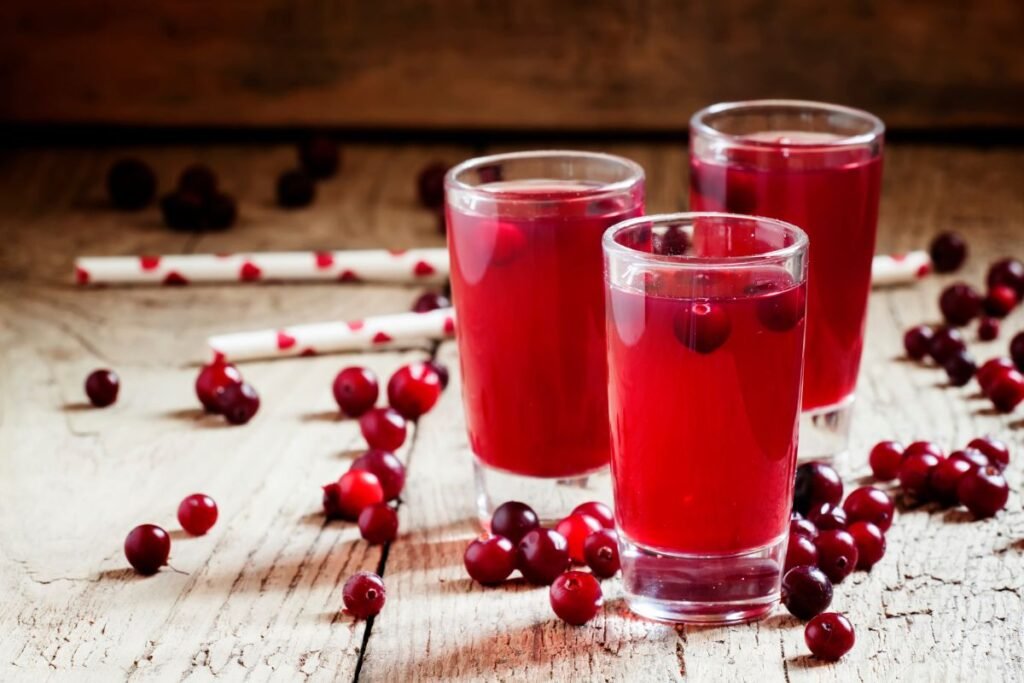
For kidney sand or bladder stones:
- 50 g lingonberry leaves
- 1 liter of water
- 120 ml vodka
Pour boiling water over the leaves, cover, and steep for 2 hours. Add vodka and heat gently for 20 minutes without boiling. Take 1 tablespoon three times daily before meals.
For gout or cystitis:
- 1 tablespoon dried leaves
- 250 ml water
Steep for 1.5 hours. Take 2 tablespoons 4–5 times daily.
For liver or kidney conditions:
- 20 g dried leaves
- 250 ml water
Steep for 1 hour, strain, and take 1 tablespoon three times daily.
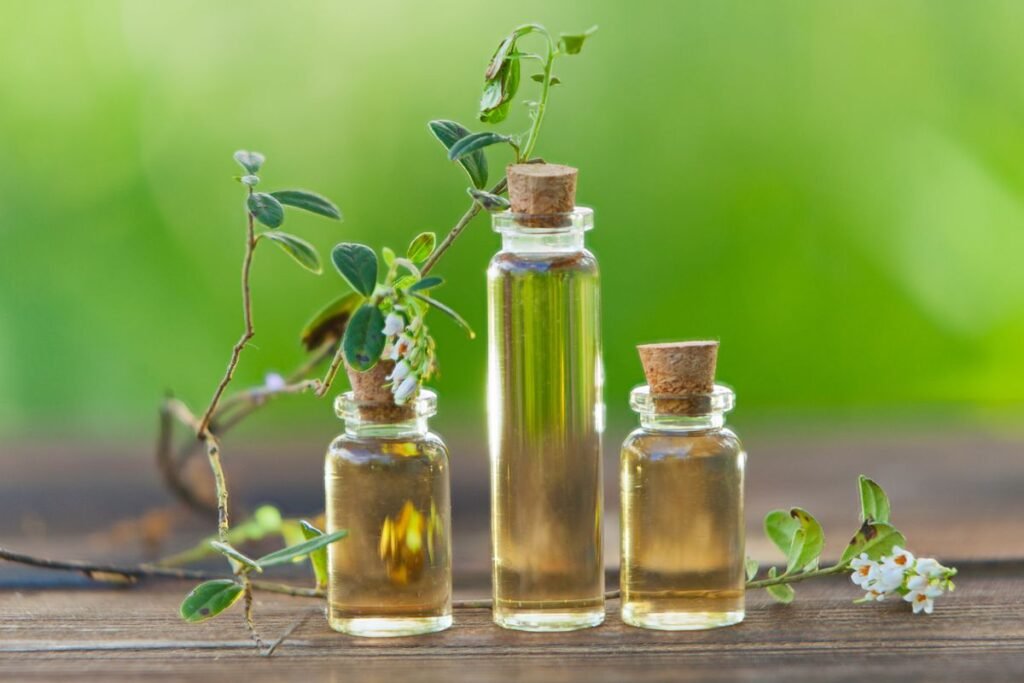
Lingonberries Beyond Tea
You can also prepare tea from the berries themselves, using either frozen or dried fruit.
Berry tea:
- 1 tablespoon lingonberries
- 1 tablespoon sweeter berries (e.g., strawberries or wild strawberries)
- A pinch of cinnamon
- 1 liter of water
Boil all ingredients, let steep for 5 minutes, then strain. Add honey if needed.
Lingonberries also serve in jams, preserves, mousses, syrups, wines, liqueurs, and sauces—especially alongside meat dishes in Scandinavian cuisine. Keep in mind that heat processing reduces antioxidant activity by about one-third.
Lingonberry Benefits for Skin and Hair
Lingonberry products protect the skin from oxidative damage and slow visible aging. They help maintain elasticity, hydration, and brightness while reducing pigmentation.
- Lingonberry seed oil contains omega-3 and omega-6 fatty acids that strengthen the skin barrier and maintain moisture.
- Lingonberry extract supports collagen production and protects against UV damage.
They also benefit hair by nourishing follicles, improving oxygen supply to cells, reducing hair loss, enhancing shine, and slowing graying. You can rinse hair with a simple lingonberry leaf decoction.
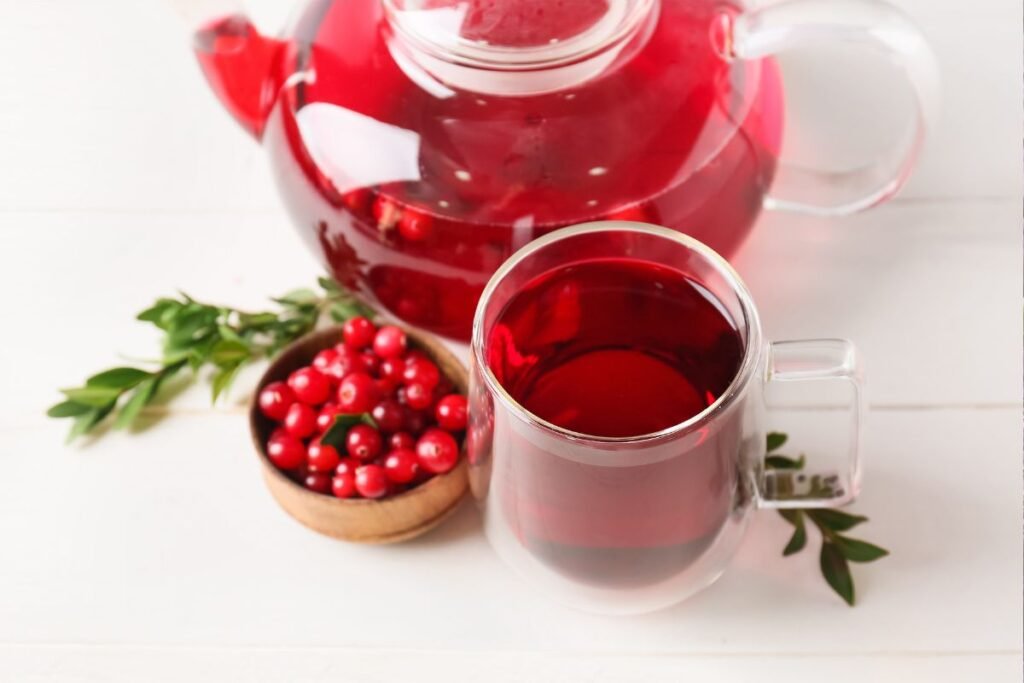
Use During Pregnancy
Lingonberry tea may help reduce edema (fluid retention) during pregnancy due to its diuretic effect, and doctors sometimes recommend it for this purpose. However, avoid it during early pregnancy, as it may increase the risk of miscarriage. Even in later stages of pregnancy, consult a doctor before using any lingonberry-based preparations.
Preparation:
- 1–1.5 teaspoons dried leaves
- 300 ml water
Pour boiling water over the leaves, cover, and steep for 20 minutes. Drink the cup throughout the day in 2–4 portions.
Side Effects and Precautions
Lingonberry tea, berries, leaves, and preparations are generally safe, and adverse reactions occur rarely. Leaves may cause side effects more often than berries, including allergic reactions such as rash, itching, sneezing, or a runny nose. Nausea or vomiting may occur in rare cases.
Consult a doctor before use if:
- You have high stomach acidity.
- The patient suffers from acute kidney failure.
- You have low blood pressure.
- The user is a child under 12.
Limit continuous use to six months, followed by at least a one-month break.
Sources:
- https://www.medicalnewstoday.com/articles/lingonberry
- https://skinkraft.com/blogs/articles/lingonberries-benefits-for-skin
- https://www.healthline.com/nutrition/lingonberry
- https://www.medicinenet.com/health_benefits_and_side_effects_of_lingonberries/article.htm
Associative photos © Canva.