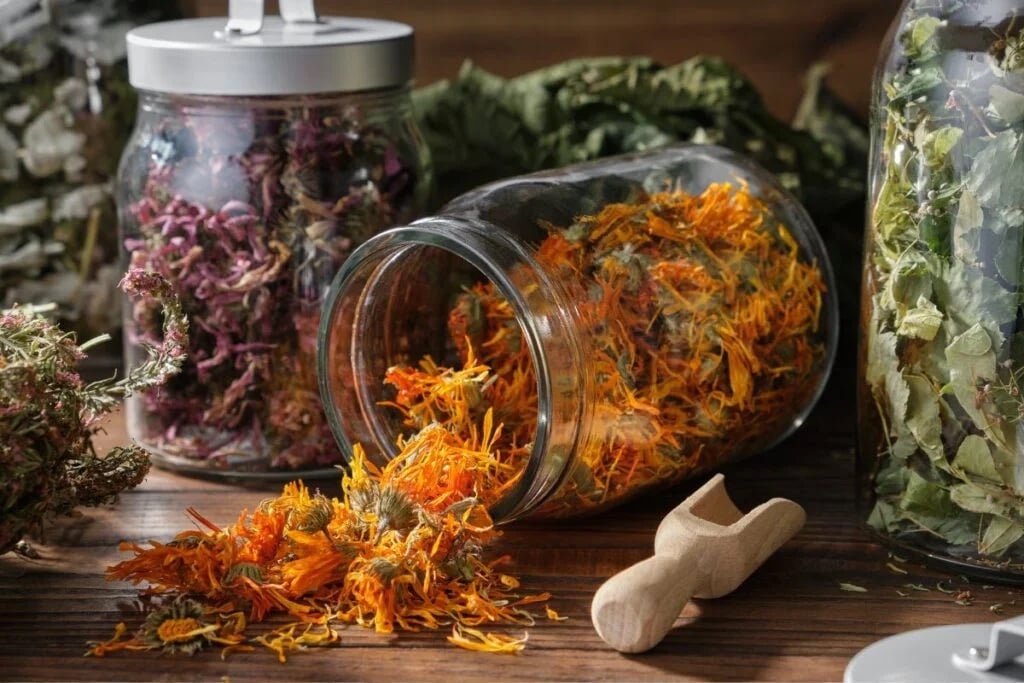
When people refer to “mushroom tea,” they may mean several different types of beverages. The term can describe chaga tea, kombucha made from a symbiotic culture of bacteria and yeast, or tea enriched with extracts and powders derived from medicinal mushrooms. Each variety offers its own distinctive flavor profile, nutritional composition, and potential mushroom tea benefits.
Because kombucha and chaga tea have already gained widespread recognition and are often produced on an industrial scale, this article focuses primarily on teas prepared from other medicinal mushrooms. We will explore what makes these beverages unique, how people prepare them, and the potential benefits they may offer.
What Is Mushroom Tea?
In the broadest sense, mushroom tea includes any beverage that contains mushrooms or relies on them during preparation. This definition encompasses chilled kombucha, traditionally brewed chaga tea, drinks made from medicinal and functional mushrooms, and even broths prepared from edible mushroom varieties.
For this discussion, however, we will set kombucha aside and focus on teas made from medicinal mushrooms that many people consider superfoods. Common varieties include:
- Reishi (Ganoderma lucidum)
- Chaga (Inonotus obliquus)
- Lion’s Mane (Hericium erinaceus)
- Cordyceps
- Shiitake
- Oyster Mushroom (Pleurotus ostreatus)
- Turkey Tail (Trametes versicolor)
- Maitake (Grifola frondosa)
- Tremella (Tremella fuciformis)
- And many others
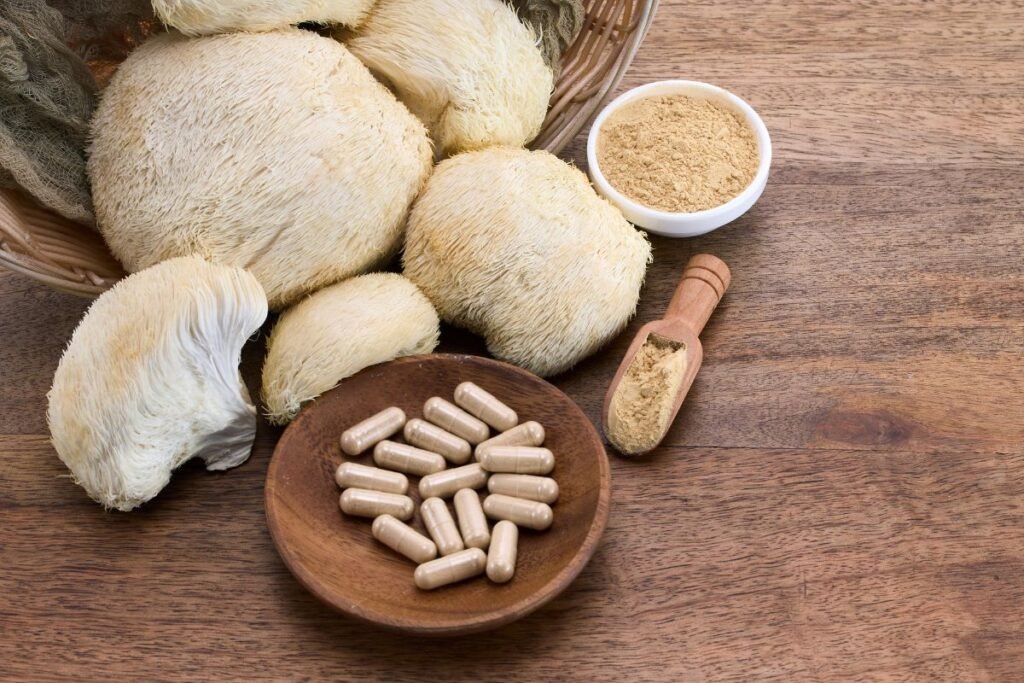
People use several forms of mushrooms when preparing tea and other beverages. Mushroom powders provide the most convenient option, particularly for everyday use. However, some species release their beneficial compounds more effectively when brewed from pieces of the fruiting body. In these cases, decoctions, broths, and specialized infusions often deliver superior results.
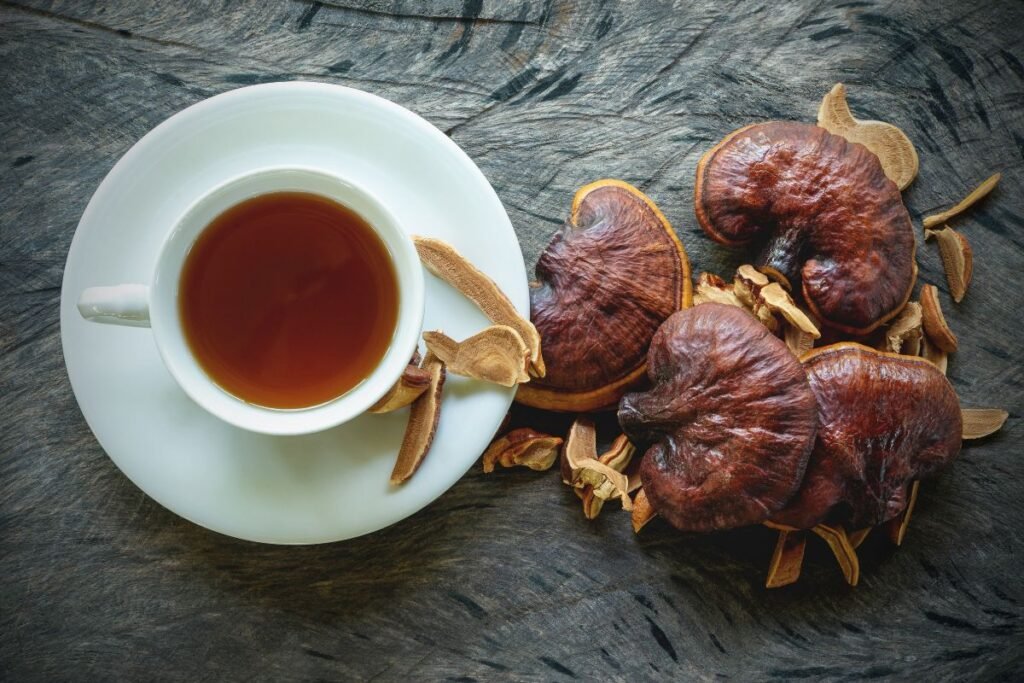
Flavor, Aroma, and Texture of Mushroom Tea
Many mushroom teas offer rich aromas and enjoyable flavors, although their character differs considerably from traditional herbal or black teas. The specific taste, fragrance, and mouthfeel depend on both the mushroom species and the quantity used during preparation.
Among the varieties mentioned above, pure reishi tea typically produces the strongest bitterness. It combines earthy notes with a distinctly drying sensation on the palate. Turkey tail tea shares many of these characteristics, though it generally has a milder, more bitter profile.
Chaga and Lion’s Mane teas, by contrast, contain only subtle bitterness. Experts often identify another important sensory characteristic known as umami—the savory taste associated with shiitake, maitake, and oyster mushroom infusions. Softer mushroom varieties may also contribute earthy and nutty undertones, while denser species often introduce woody notes reminiscent of forest bark.
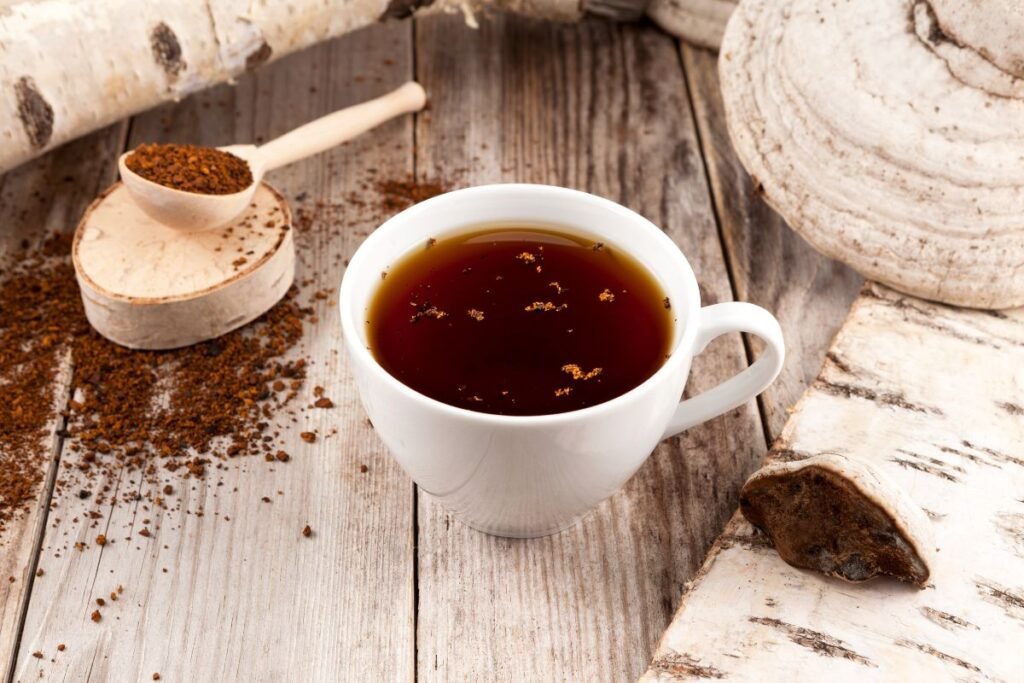
Texture provides another fascinating dimension of the mushroom tea experience. Chaga tea can resemble coffee in both appearance and body. Lion’s Mane often creates a smooth, creamy mouthfeel. Shiitake infusions may feel more like a light broth than a traditional tea, while Tremella preparations can develop a gelatinous consistency similar to a delicate jelly. Brewing time and the concentration of naturally occurring organic compounds largely determine these textural differences.
Nutritional Value of Mushroom Tea
The appeal of mushroom tea extends far beyond its sensory qualities. Researchers and health enthusiasts also value these beverages for their nutritional composition and range of bioactive compounds.
Providing standardized nutritional values for mushroom tea remains challenging because different mushroom species contain unique compounds and because preparation methods vary considerably. Factors such as extraction technique, brewing duration, concentration, and raw material quality can influence the final composition of the beverage.
For this reason, nutritional analyses typically focus on the individual medicinal mushrooms and their key bioactive constituents rather than attempting to define a single nutritional profile for mushroom tea as a whole.
| Mushroom | Energy (per serving) | Polysaccharides / Beta-Glucans | Phenolic Compounds / Antioxidants | Notable Bioactive Compounds |
| Reishi (Ganoderma lucidum) | 2–8 kcal | ~200–800 mg | Moderate levels | Triterpenes, ganoderic acids |
| Chaga (Inonotus obliquus) | 2–5 kcal | ~100–500 mg | Very high polyphenol content (~20–120 mg GAE) | Melanin, betulin derivatives, hispidin |
| Lion’s Mane (Hericium erinaceus) | 3–7 kcal | ~200–700 mg | Low levels | Erinacines, hericenones |
| Cordyceps | 3–10 kcal | ~150–600 mg | Moderate levels | Cordycepin, adenosine |
| Shiitake (Lentinula edodes) | 5–12 kcal | ~300–1,000 mg | Low levels | Lentinan, eritadenine |
| Oyster Mushroom (Pleurotus ostreatus) | 4–10 kcal | ~250–900 mg | Low to moderate levels | Pleuran |
| Turkey Tail (Trametes versicolor) | 2–6 kcal | ~300–1,200 mg | Moderate levels | Polysaccharide-K (PSK), polysaccharopeptide (PSP) |
| Maitake (Grifola frondosa) | 4–10 kcal | ~250–900 mg | Moderate levels | Beta-glucans |
| Tremella (Tremella fuciformis) | 2–6 kcal | ~300–1,500 mg | Low levels | Mucilaginous heteropolysaccharides, tremellastins |
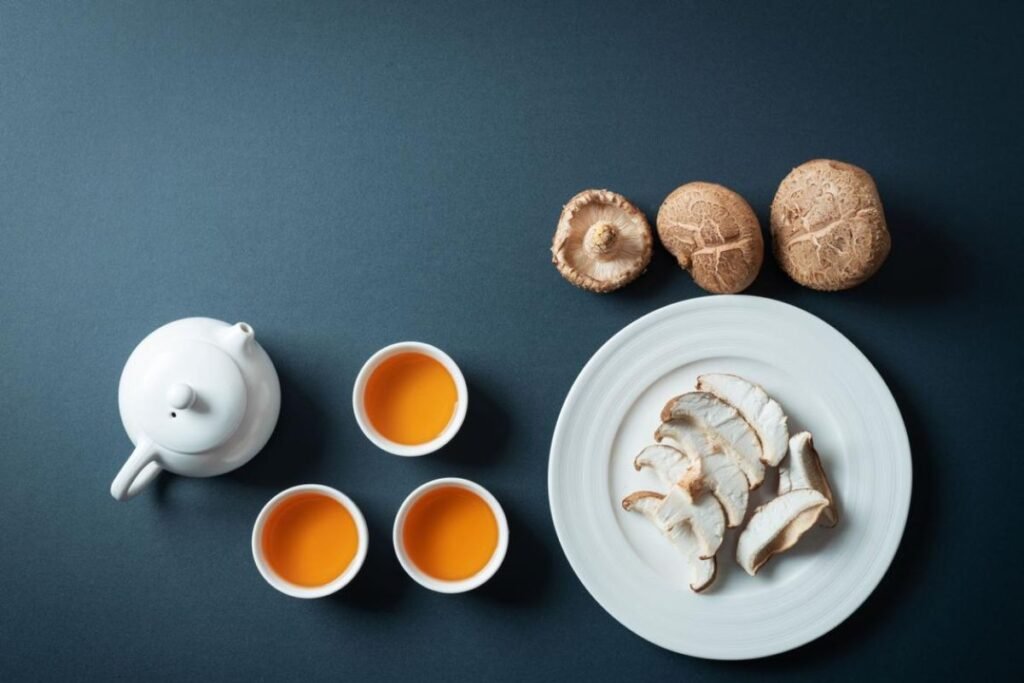
Potential Health Benefits of Mushroom Tea
Medicinal and functional mushrooms have earned their reputation due to their content of biologically active compounds. These molecules may support human health in various ways. Both traditional use and modern scientific research suggest that certain mushroom teas, decoctions, and extracts can positively influence specific physiological functions and contribute to overall well-being. While laboratory experiments and animal studies provide valuable insights, researchers still face challenges when conducting large-scale clinical trials that fully evaluate their effects in humans.
Immune System Support
Scientists have extensively studied many functional mushrooms for their ability to support and regulate immune function. Their interest largely centers on beta-glucans, naturally occurring polysaccharides found in significant concentrations in reishi, turkey tail, shiitake, maitake, and oyster mushrooms.
Beta-glucans stimulate components of the innate immune system, including macrophages and natural killer (NK) cells, while also helping regulate inflammatory cytokine activity. Researchers have even incorporated certain mushroom-derived polysaccharides into adjunctive therapies used alongside conventional cancer treatments.
Antioxidant and Anti-Inflammatory Properties
Chaga, reishi, shiitake, and oyster mushrooms contain compounds such as polyphenols, melanin, and beta-glucans that help neutralize free radicals. Through this mechanism, these mushrooms may reduce oxidative stress, as demonstrated in laboratory and animal studies.
Chaga deserves particular attention because its extracts exhibit exceptionally high antioxidant activity under experimental conditions. However, researchers still need more robust clinical evidence before confirming the same effects in human populations.
The Benefits of Mushroom Tea for Gut Microbiome Support
Many medicinal mushrooms also provide prebiotic benefits. Beta-glucans serve as fermentable fibers that intestinal microorganisms can utilize during digestion. This fermentation process produces short-chain fatty acids, compounds that play important roles in maintaining gut health, supporting microbial diversity, and influencing metabolic function.
Cognitive Function and Nervous System Health
Lion’s Mane stands apart from many other medicinal mushrooms because it contains unique compounds known as hericenones and erinacines. Researchers believe these substances may stimulate the production of nerve growth factor (NGF), a protein involved in nerve maintenance and regeneration.
Most evidence currently comes from cell culture and animal studies. Nevertheless, several small randomized clinical trials have reported improvements in cognitive performance among individuals experiencing mild cognitive impairment, highlighting the mushroom’s potential role in supporting brain health.
Physical Performance and Energy Production
Cordyceps contains biologically active compounds such as adenosine and cordycepin, both of which may influence cellular energy metabolism. Some studies have observed modest improvements in endurance and exercise performance, suggesting that Cordyceps tea may provide mild adaptogenic effects and support physical resilience.
Blood Sugar and Cholesterol Metabolism
Several functional mushrooms may help regulate carbohydrate and lipid metabolism. Shiitake mushrooms contain eritadenine, a compound that may influence cholesterol processing within the body. In addition, beta-glucans found in many mushroom species can slow glucose absorption and contribute to healthier blood sugar and lipid regulation.
Mushroom Tea Benefits in Stress Management and Sleep Support
The immune-modulating properties of reishi, Lion’s Mane, and, in some cases, Cordyceps may indirectly influence nervous system function. Preliminary research suggests that triterpenes found in reishi could contribute to calming effects and promote relaxation. However, the current body of clinical evidence remains too limited to conclusively establish these mushrooms as effective treatments for stress or sleep disorders.
How Is Mushroom Tea Prepared?
Most medicinal mushrooms do not grow in locations where foraging is simple or practical. Many species develop on hardwood logs, substrates, sawdust blocks, or specialized growing systems. Some varieties can also be difficult to source fresh.
Manufacturers often dry tougher mushrooms and grind them into powders to improve convenience and accessibility. Softer mushrooms can undergo processing immediately after harvest or can be dried and milled as well. Consumers can also purchase concentrated mushroom extracts, which offer an even quicker way to prepare mushroom tea.
Traditional Mushroom Tea Recipe
The most common preparation method involves simmering mushroom pieces or powders in water to extract their beneficial compounds.
Ingredients:
- 10–20 g dried mushrooms (or 2–3 g mushroom powder)
- 1 liter of water
Instructions:
- Place the mushrooms in a pot and cover them with cold water.
- Slowly bring the mixture to a boil.
- Reduce the heat and allow the liquid to simmer gently:
- Chaga: 60–120 minutes
- Reishi and Turkey Tail: 45–90 minutes
- Shiitake, Maitake, and Oyster Mushrooms: 30–60 minutes
4. Strain the liquid before serving.
5. Many people consume 100–300 ml per serving, one or two times daily.
Quick Mushroom Tea Using Powder or Extract
Powders and concentrated extracts provide a faster alternative for preparing mushroom tea.
Ingredients:
- ½–1 teaspoon mushroom powder or extract
- 200–250 ml hot water (80–95°C / 176–203°F)
Instructions:
- Add the powder or extract to a cup.
- Pour hot water over it.
- Stir thoroughly.
- Allow the mixture to steep for 5–10 minutes before drinking.

Possible Side Effects of Mushroom Tea
Most people tolerate mushroom tea well. However, medicinal mushrooms contain potent bioactive compounds that may cause side effects or interact with certain health conditions and medications.
Documented reactions include:
- Digestive Discomfort. Some individuals may experience bloating, nausea, abdominal heaviness, diarrhea, or gastrointestinal cramping. These effects appear more frequently with reishi and turkey tail products.
- Allergic Reactions. Although uncommon, allergic responses can occur. Symptoms may include skin rashes, itching, nasal congestion, coughing, wheezing, or shortness of breath.
- Lower Blood Pressure. Certain mushrooms may exert mild blood pressure–lowering effects. As a result, susceptible individuals could experience dizziness, weakness, fatigue, or lightheadedness.
- Increased Bleeding Risk. Reishi and shiitake mushrooms may influence platelet activity and blood clotting mechanisms. Individuals who take anticoagulant or antiplatelet medications should exercise caution and consult a healthcare professional before regular use.
- Drowsiness and Relaxation. Large amounts of reishi tea or concentrated reishi extracts may promote relaxation, drowsiness, and slower reaction times. Some people intentionally consume reishi in the evening due to its calming effects.
- Headaches. A small number of users report headaches after introducing Lion’s Mane or Cordyceps supplements into their routine. Researchers have not yet identified a clear mechanism, and individual responses vary considerably.
- Shiitake Dermatitis. Shiitake dermatitis represents a rare but well-documented reaction characterized by an intensely itchy, streak-like rash. This condition most commonly develops after consuming raw or insufficiently cooked shiitake mushrooms.
Sources:
- https://www.dl.begellhouse.com/journals/708ae68d64b17c52,6a15e9325ecc55ec,73e8f9f9741a1ee4.html
- https://pubmed.ncbi.nlm.nih.gov/33876798
- https://www.mdpi.com/1420-3049/28/14/5393
- https://nutrola.app/en/blog/medicinal-mushroom-stack-lions-mane-reishi-cordyceps-evidence-2026
Associative photos ©canva.