Ground ivy tea comes from a plant full of surprises. Ground ivy has a rich chemical composition, and traditional herbal medicine has long valued it for its potential to help with a wide range of health complaints, from sore throats to cancer. However, despite its many reputed medicinal properties and potential to relieve certain symptoms, ground ivy tea can also pose health risks. Excessive consumption may lead to adverse effects. So, even if this herb seems promising, remember that ground ivy contains potentially toxic compounds. Handle this plant with care and consume ground ivy tea only in moderation.
A Brief Introduction to Ground Ivy
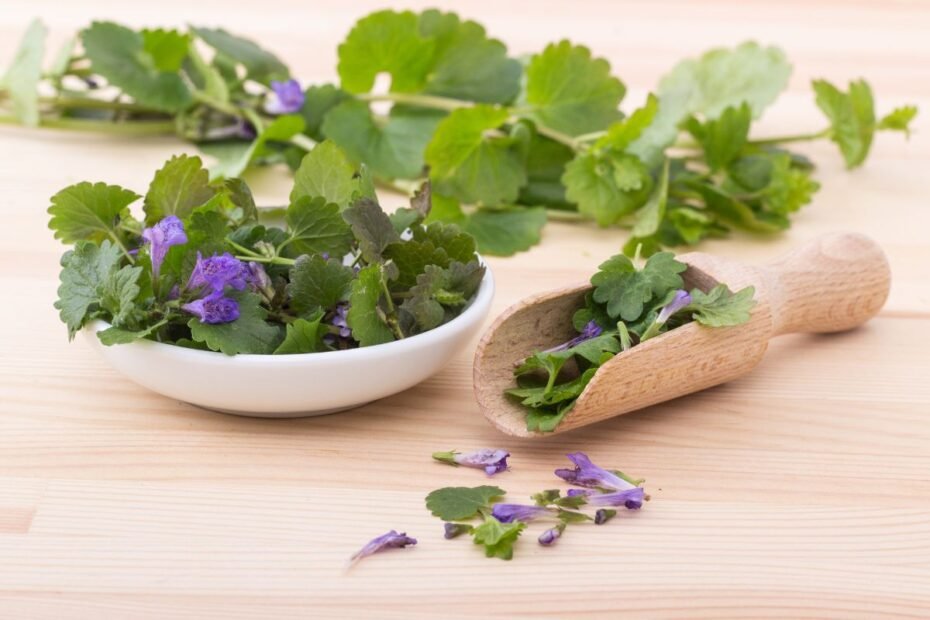
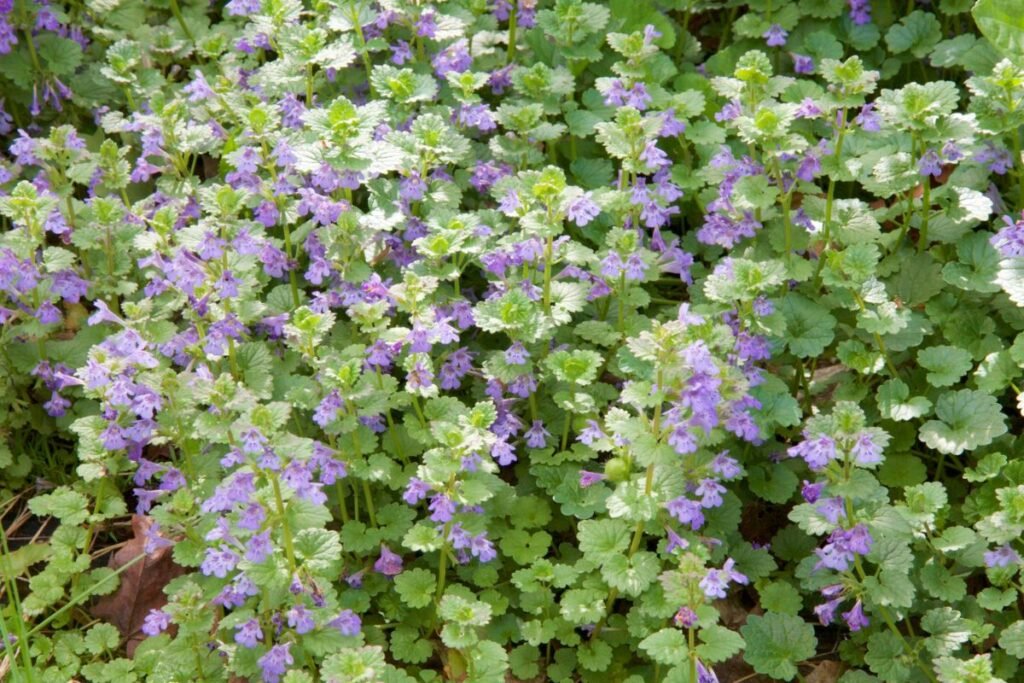
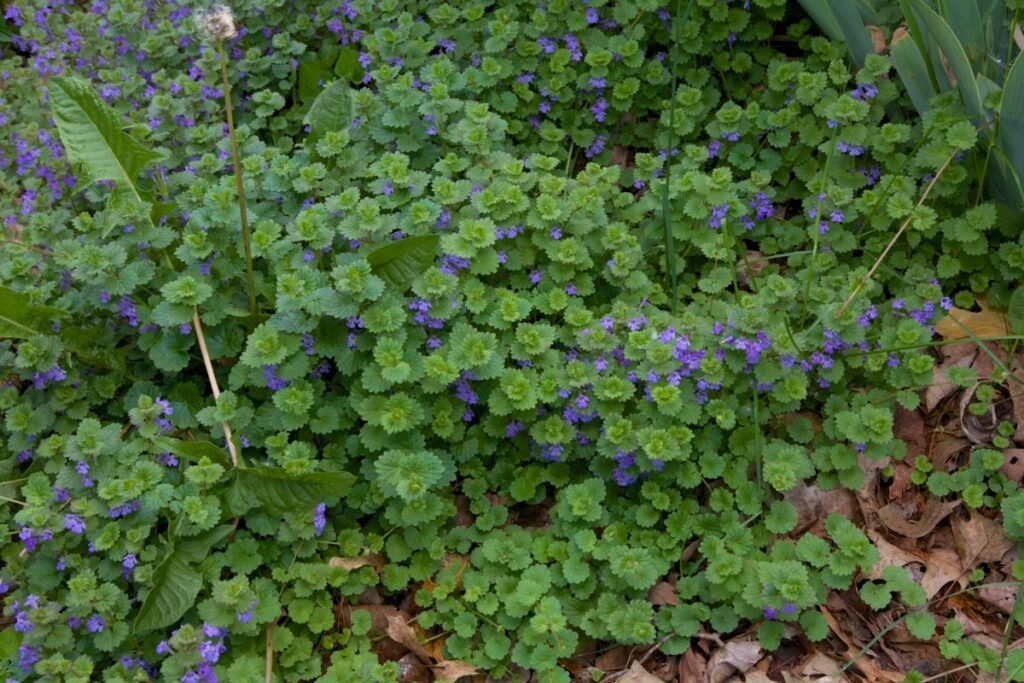
Ground ivy (Glechoma) belongs to the mint family (Lamiaceae). Botanists recognize eight species in this genus, which grows mainly in Europe and Asia. Ground ivy is a perennial herb with long, creeping stems that take root at the nodes and produce upright shoots. Its leaves grow in opposite pairs, feature heart-shaped blades, and have toothed edges. The flowers grow on short stalks in clusters of three or four in the leaf axils.
Two species have a history of medicinal use: Glechoma longituba and creeping ground ivy (Glechoma hederacea). Although creeping ground ivy has a history of use in traditional folk medicine and as a culinary herb, it also contains potentially toxic compounds. Lithuania has one native species, Glechoma hederacea. You can find it in forests, along woodland edges, in meadows, and among shrubs.
When and How to Harvest, Dry, and Store Ground Ivy
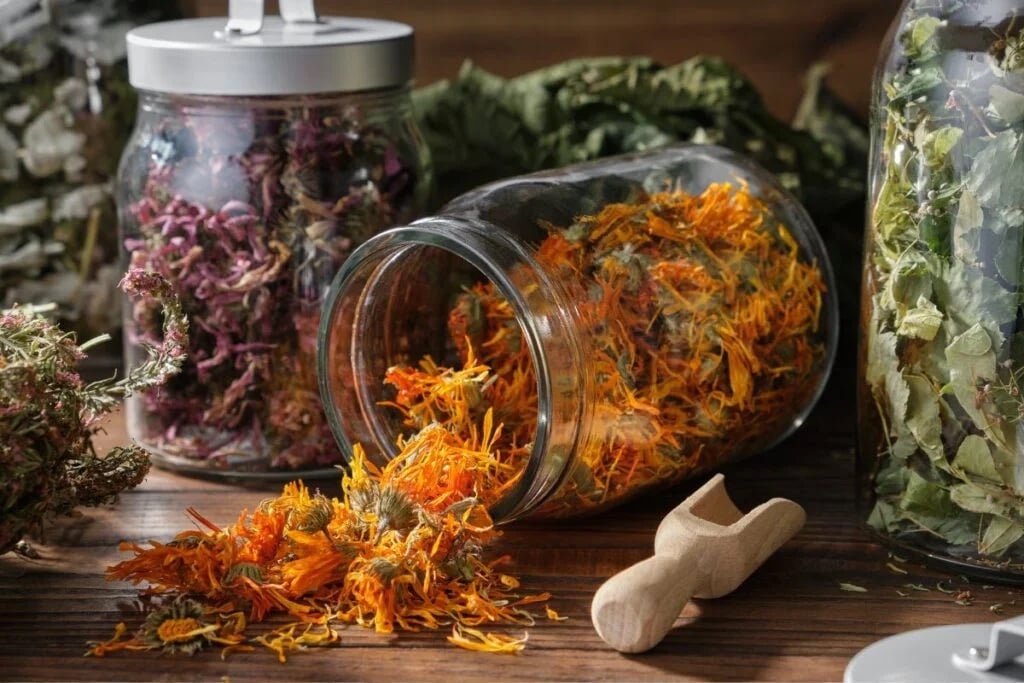
Ground ivy blooms from April through June. During this period, you can harvest the plant’s above-ground parts for herbal use. Dry the herb in a shaded, well-ventilated area or use a dehydrator set to no more than 40°C (104°F). Once the herb has dried completely, store it in glass jars or cardboard boxes for up to one year.
Chemical Composition
Ground ivy tea comes from a plant full of surprises. Ground ivy has a rich chemical composition, and traditional herbal medicine has long valued it for its potential to help with a wide range of health complaints, from sore throats to cancer. However, despite its many reputed medicinal properties and potential to relieve certain symptoms, ground ivy tea can also pose health risks. Excessive consumption may lead to adverse effects. So, even if this herb seems promising, remember that ground ivy contains potentially toxic compounds. Handle this plant with care and consume ground ivy tea only in moderation.
Like other members of the mint family (Lamiaceae), including mint and thyme, ground ivy has a distinctive aroma thanks to its essential oils. These compounds contribute to its pleasant yet slightly bitter aroma and flavor, which some people may find less appealing. Across Europe, people have used ground ivy as a culinary herb for centuries, adding it to soups and invigorating drinks.
The Potential Health Benefits of Ground Ivy: What Does the Research Say?
Researchers have investigated ground ivy for a range of potential medicinal properties. However, traditional uses and preliminary findings do not necessarily demonstrate that the herb can safely or effectively treat human diseases.
- Various health conditions. European herbal traditions have long used ground ivy tea, decoctions, and infusions for digestive complaints, spleen and liver conditions, bronchial asthma, gastritis, colitis, goiter, gout, and urinary tract and kidney problems. Some traditional accounts also mention its use for mastitis. These historical applications do not, on their own, establish clinical effectiveness.
- A range of medicinal properties. Traditional herbal literature attributes expectorant, sedative, anti-inflammatory, antiseptic, diuretic, hepatoprotective, wound-healing, blood-pressure-lowering, anticancer, analgesic, hemostatic, and anti-atherosclerotic properties to ground ivy. Scientists need stronger evidence, particularly from well-designed human studies, to determine which of these effects, if any, have practical medical applications.
- Digestion and respiratory health. Some biologically active compounds may influence digestion and appetite. Traditional herbal practices also suggest plants as cramp relievers. Folk medicine has recommended ground ivy for rhinitis, maxillary sinusitis, and laryngitis. However, these uses require reliable clinical evidence before researchers can draw firm conclusions about their effectiveness.
- Liver-protective and antiseptic effects. Some herbal sources associate ground ivy’s traditional use for liver complaints with compounds such as methionine and choline. Its essential oils may also contribute to antimicrobial activity. Nevertheless, the presence of these substances does not prove that consuming ground ivy tea protects the liver or treats infections in humans.
- Anticancer activity. Some experimental research has suggested that ground ivy extracts may have biological effects relevant to cancer. Animal experiments have reportedly explored their influence on lung carcinoma metastasis and white blood cell counts. However, findings of animal studies cannot establish that ground ivy tea treats cancer in humans. Claims that tea works better than an alcoholic tincture require reliable supporting evidence.
Ground Ivy Tea: A Traditional Herbal Remedy Across the World
Folk medicine in many European countries has long recommended ground ivy infusions for various inflammatory and respiratory complaints. Traditional uses include soothing irritated mucous membranes and addressing symptoms associated with colds, persistent coughs, asthma, bronchitis, pneumonia, pulmonary tuberculosis, chronic rhinitis, diarrhea, kidney stones, jaundice, gastritis, and colitis. These historical applications reflect traditional practice rather than proof of therapeutic benefit.
Ground Ivy Tea in Germany
German folk medicine has traditionally used ground ivy infusions for gout, anemia, respiratory conditions, coughing, asthma attacks, bladder inflammation, and various liver, spleen, and digestive disorders.
Ground Ivy Tea in Bulgaria
Bulgarian folk medicine has traditionally used ground ivy decoctions to stimulate appetite and address stomach and intestinal pain, diathesis, gout, malaria, gum inflammation, and respiratory tract inflammation. Traditional accounts also describe its use as a diuretic and as a remedy for kidney stones and kidney or bladder pain.
People have also applied ground ivy decoctions externally. Traditional practices include using compresses for ulcers and purulent swelling, although reliable clinical evidence does not establish the safety or effectiveness of these applications.
Ground Ivy in the Caucasus
Traditional herbal practices in the Caucasus have included steaming ground ivy and applying compresses to affected skin areas for purulent rashes, acne, ulcers, and hives. People have also prepared the herb in water or milk for traditional use for asthma, sore throats, and menstrual irregularities, while ground ivy baths are for bruises.
Other countries’ folk medicine has traditionally used ground ivy for its purported anti-inflammatory and pain-relieving effects. Traditional applications include toothache, ear, throat, and nasal complaints, as well as liver, spleen, and stomach disorders, hemorrhoids, and various skin conditions.
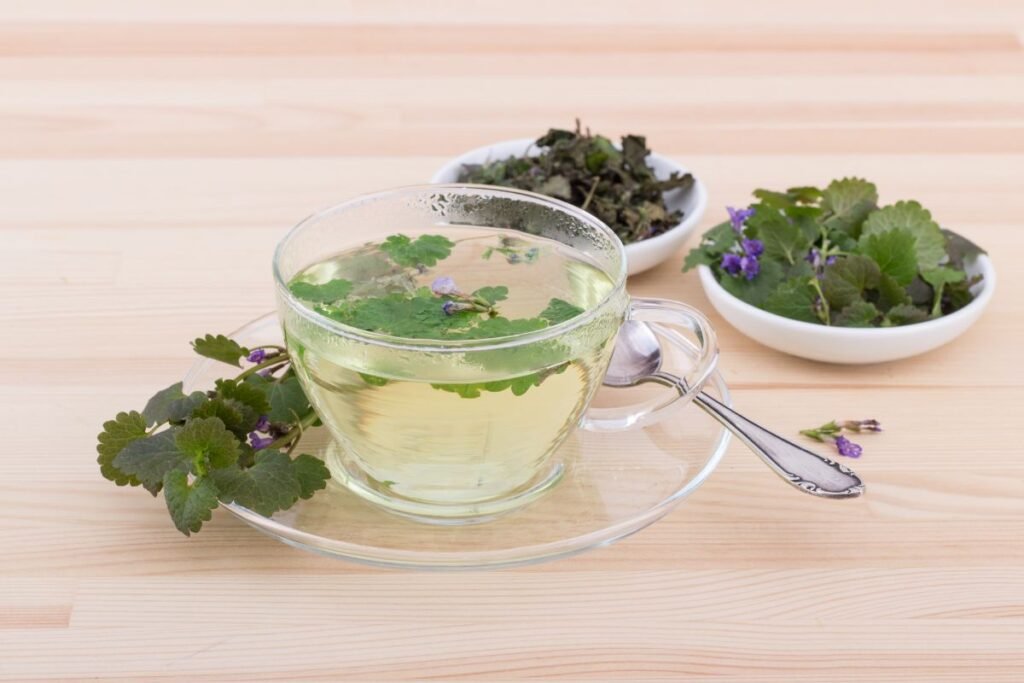
How to Make Ground Ivy Tea
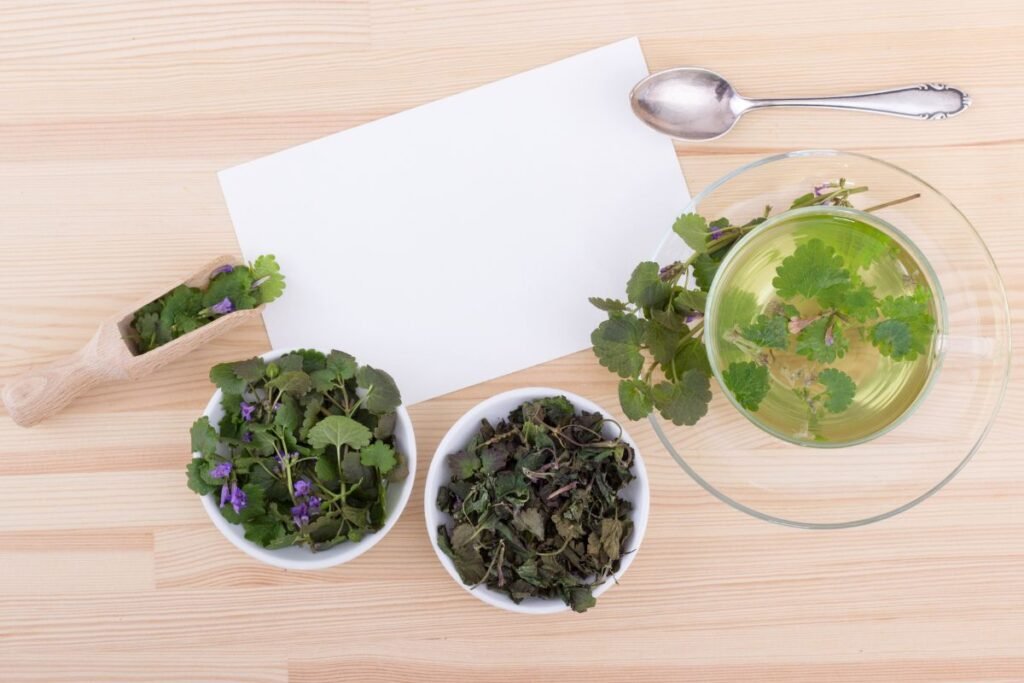
Ground ivy tea is easy to prepare using a traditional infusion method. Pour 200 ml of boiling water over 5 g of dried ground ivy and steep for 30 minutes. Allow the tea to cool, then strain it before drinking.
Some traditional herbal sources recommend ground ivy tea as a remedy for heavy metal detoxification. One suggested regimen involves drinking ¼ cup four times a day for three weeks. However, no reliable clinical evidence establishes that ground ivy tea removes heavy metals from the body, and its potential toxicity makes this practice unsafe without medical guidance.
Traditional herbal recipes also recommend ground ivy tea during menopause. One such regimen suggests drinking one cup of warm tea three times a day for three weeks. However, scientific evidence does not establish that ground ivy tea relieves menopausal symptoms, and you should consult a healthcare professional before considering its use.
Tea with Ground Ivy, Poplar Buds, and Elderflowers
Traditional herbal recipes recommend this blend for pneumonia. However, no reliable clinical evidence establishes that this tea treats pneumonia. Because pneumonia can cause serious complications, seek medical care rather than relying on herbal remedies.
Ingredients
- 2 tablespoons of ground ivy leaves
- 2 tablespoons of poplar or aspen buds
- 1 tablespoon of elderflowers
- 600 ml of boiling water
Preparation: Combine all ingredients, then pour the boiling water over them. Leave the mixture to steep for 15 minutes. Strain the tea before drinking and, if desired, add a teaspoon of honey for flavor. Traditional recipes suggest drinking the prepared amount warm throughout the day, but you should not follow this regimen without professional medical advice.
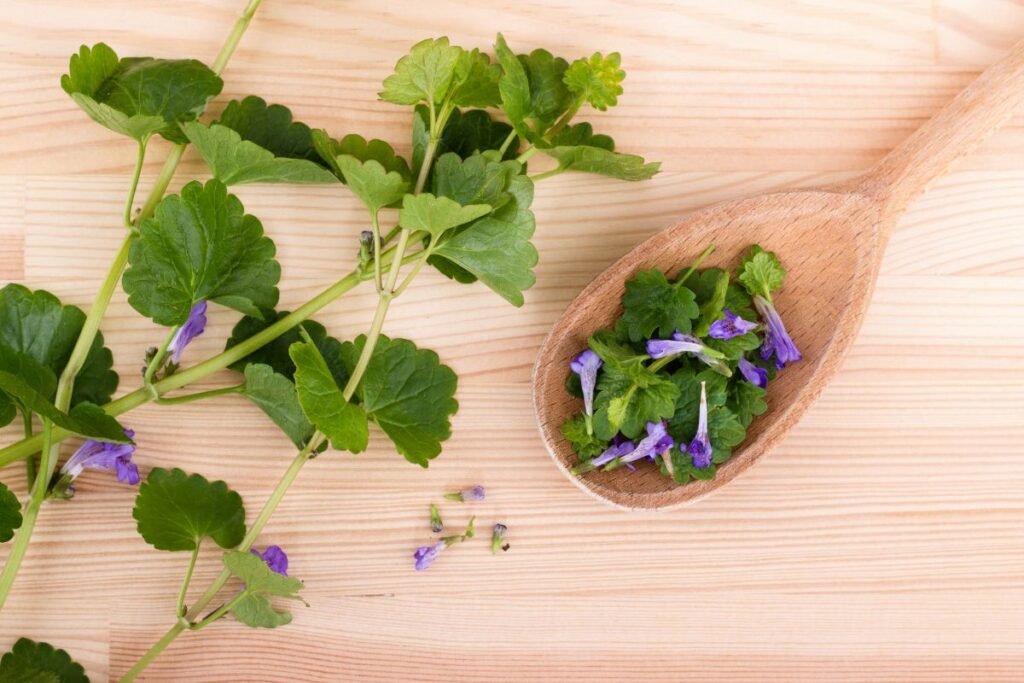
Ground Ivy Tincture
Traditional herbal medicine has used ground ivy tinctures for kidney and bladder complaints and to relieve symptoms associated with bronchial asthma. However, ground ivy may pose toxicity risks. Do not use this tincture to treat these conditions without consulting a healthcare professional.
Ingredients
- 15 g of ground ivy leaves
- 200 ml of vodka
Preparation: Place the ground ivy leaves in a container and pour the vodka over them. Seal the container and store it in a cool, dark place for two weeks, stirring the mixture regularly. After two weeks, strain the liquid and store it in the refrigerator.
Traditional recipes sometimes recommend taking 15 drops daily, but this dose has not been established as safe. Do not ingest this tincture without professional guidance.
Ground Ivy Decoction for External Use
Traditional herbal practices recommend ground ivy decoctions for rubbing onto areas affected by sprains, burns, or gout, soothing irritated or rash-prone skin. However, reliable clinical evidence does not establish that these applications work, and the preparation may irritate the skin. Avoid applying it to burns, open wounds, or severely irritated skin.
Ingredients
- 1 tablespoon of ground ivy
- 350 ml of boiling water
Preparation: Place the ground ivy in a saucepan and pour the boiling water over it. Simmer for 15 minutes, then remove the pan from the heat and allow the decoction to cool completely.
Possible Side Effects and Toxicity of Ground Ivy
Although traditional herbal medicine has long used ground ivy, the plant may contain toxic compounds. Consult a qualified healthcare professional before considering any medicinal preparation.
Excessive consumption may cause adverse effects, potentially including excessive sweating, heart rhythm disturbances, excessive salivation, and pulmonary edema (fluid accumulation in the lungs). If you experience severe symptoms after consuming ground ivy, seek urgent medical attention.
Ground ivy can also pose a risk to animals. Although many animals may avoid the plant, sheep reportedly eat it readily. This observation does not mean the plant is safe for other animals or that sheep can consume unlimited amounts without harm.
Given the potential toxicity and limited clinical safety data, the following groups should avoid medicinal use of ground ivy unless a qualified healthcare professional specifically advises otherwise:
- Pregnant or breastfeeding women
- Children under seven years of age
- People with high blood pressure
- Individuals with severe liver disease
- People with low stomach acid
- Someone with kidney failure
- People with an increased blood clotting tendency
Sources:
- https://www.siberiancedarland.com/ground-ivy-glechoma-hederacea/
- https://www.ncbi.nlm.nih.gov/pmc/articles/PMC8909519/
Associative photos © Canva.