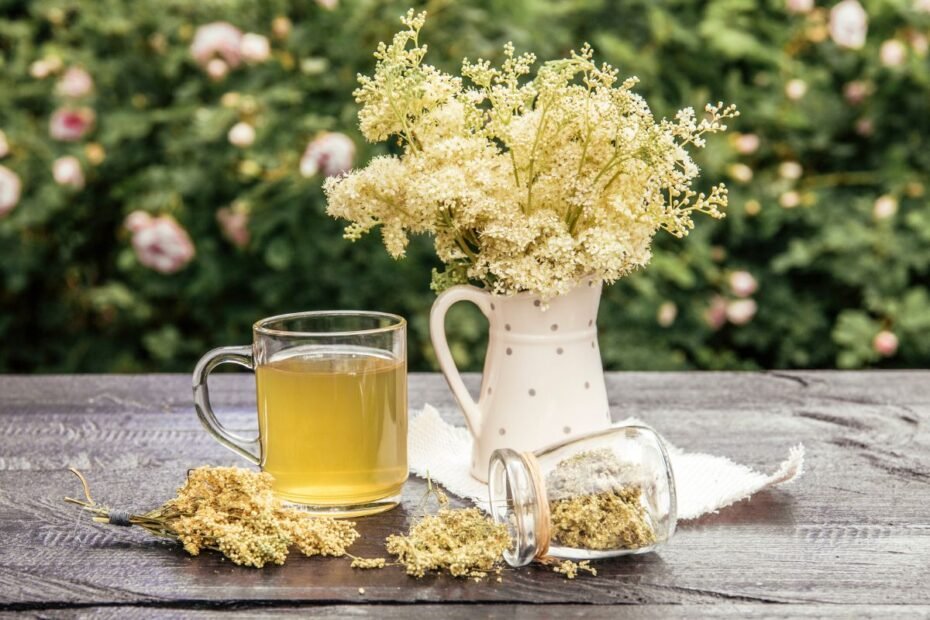
Meadowsweet is a plant that has played an important role in the history of medicine. In the first half of the nineteenth century, chemical compounds known as salicylates were first isolated from this plant. These substances later became the foundation for the production of one of the most widely used medicines in the world—aspirin. In a household setting, meadowsweet tea serves as a natural alternative to aspirin, commonly purchased in pharmacies. Given its long tradition of use, it is worth considering whether this plant-based remedy might be beneficial.
Meadowsweet (Filipendula) is a naturally occurring genus of flowering plants belonging to the rose family (Rosaceae). It is widely distributed throughout Europe, central and northern regions of Asia. The genus Filipendula includes approximately twelve known species. Some of these species possess valuable medicinal properties and therapeutic purposes. Well-known species are dropwort (Filipendula vulgaris) and meadowsweet (Filipendula ulmaria). These two species differ slightly in their appearance.
Species of Meadowsweet
Dropwort (Filipendula vulgaris) typically grows to a height of about 60 centimeters and develops a relatively thick rhizome. Its leaves are pinnate, and the flowers form loose, panicle-like clusters. The plant blooms in June and July and usually grows on sunny, dry slopes and meadows. The presence of small tubers attached to its slender roots is a distinctive feature of the species.
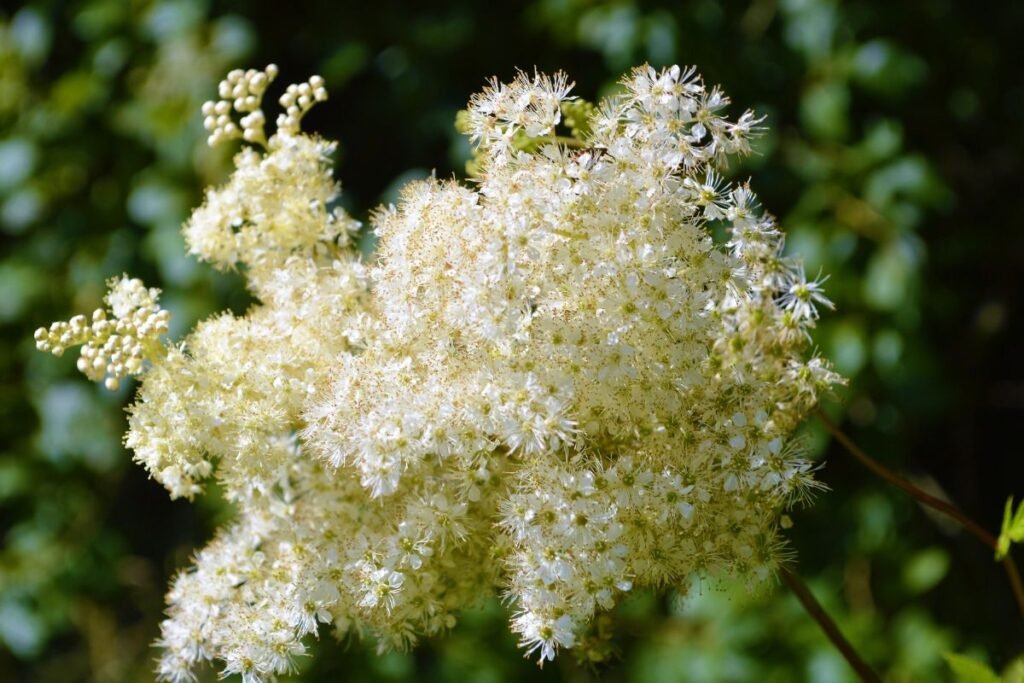
Meadowsweet (Filipendula ulmaria) can grow up to 1.5 meters in height. Its stem is upright and has branches on the top, often displaying a reddish or violet tint. The plant produces abundant foliage with pinnate leaves that are green on the upper surface and whitish, softly haired on the underside. It flowers in dense clusters of small, creamy-yellow blossoms, forming large panicle-shaped inflorescences at the top of the plant. The flowering period occurs during June and July. The blossoms are highly aromatic, releasing a pleasant scent reminiscent of honey and almonds. Because the flowers produce abundant nectar, the plant attracts large numbers of pollinating insects.
As its name suggests, meadowsweet typically grows in damp habitats such as marshy meadows and woodland edges. People most widely use this particular species for medicinal purposes.
Meadowsweet in Traditional Folk Medicine
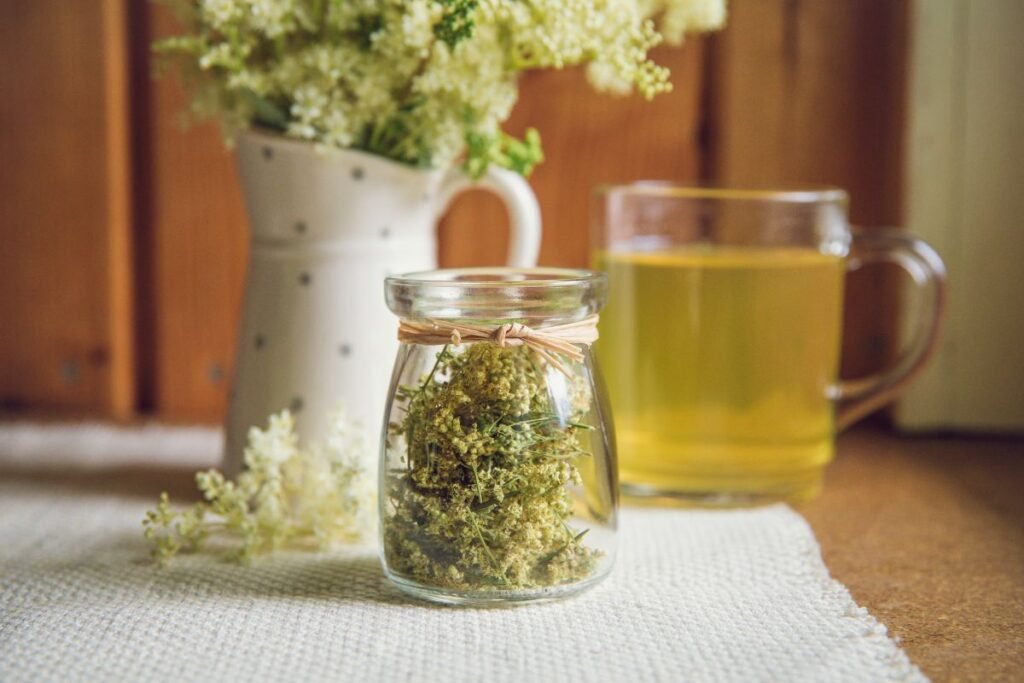
Humans have used meadowsweet in folk medicine since ancient times. For medicinal purposes, people collect the flowers, or approximately the top 20 centimeters of the plant’s flowering stems. Harvesting time is during the blooming period, collecting the raw plant material, and drying it in a dark, well-ventilated environment. After drying, people may use the herbal material ideally within two years.
For short-term storage, you can also freeze meadowsweet in a freezer bag, which preserves fresh plant material. However, you shouldn’t store frozen herbs for extended periods, and consume them within approximately one week. For therapeutic use, meadowsweet is most commonly prepared as a herbal tea or tincture.
Benefits of Meadowsweet Tea
Meadowsweet contains a broad range of biologically active compounds that are beneficial to human health. These include flavonoids, glycosides, tannins, salicylic acid, terpenes, carotene, vitamin C, essential oils, and other valuable substances. The plant is particularly valued for its antiseptic and anti-inflammatory properties. For this reason, meadowsweet is often referred to as “nature’s aspirin.” Its traditional applications include the following:
- Relief of headaches and toothaches.
- Reduction of fever.
- Easing symptoms associated with colds, influenza, and bronchitis.
- Supporting the treatment of throat infections. When people consume it regularly, it may also help prevent such conditions.
- Assisting in the management of arthritis, degenerative joint disorders, and gout.
- Helping reduce infectious inflammation of the urinary tract, bladder, and kidneys.
- Supporting digestive health and relieving nausea, heartburn, diarrhea, and abdominal bloating.
- Cleansing and disinfecting damaged skin, including boils, eczema, burns, and skin irritations.
Meadowsweet Tea and Its Variations
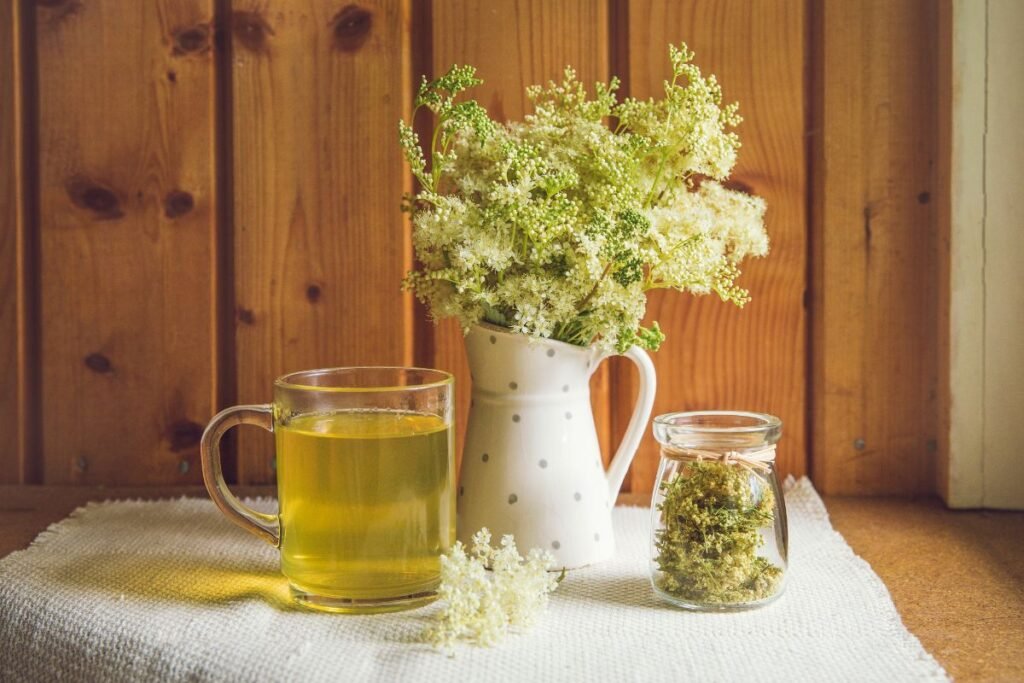
Meadowsweet tea has a pleasant, mildly sweet taste and a rich smell. It is typically prepared using a simple, traditional method by steeping the dried herb in boiling water. To prepare the tea, you will need:
- 1–2 teaspoons of dried meadowsweet herb
- Approximately 250 milliliters of boiling water
Pour boiling water over the herbal material and allow it to steep in a covered cup for about 15 minutes. Before drinking, the tea can be strained if desired.
Meadowsweet blends well with many other medicinal herbs or tea plants. When added to herbal mixtures, it imparts a distinctive honey-like aroma and flavor.
For relieving cold symptoms, it is especially recommended to combine meadowsweet in equal proportions with linden blossoms and raspberry leaves. A soothing variation for a sore throat can be prepared by blending meadowsweet with chamomile, raspberry leaves, and mint.
Relaxing Meadowsweet and Rose Tea
After a demanding day, when both the head and body feel tense and fatigue or stress becomes overwhelming, a cup of meadowsweet and rose tea may help restore relaxation. This aromatic combination is believed to calm the mind and to ease physical tension throughout the body.
Ingredients:
- 1 teaspoon of dried meadowsweet flowers
- 1 teaspoon of dried rose petals
- A pinch of ground cardamom (optional)
- A sweetener of choice, such as stevia, maple syrup, honey, or another natural sweetener, according to taste
- 2 cups of water
Place the meadowsweet flowers, rose petals, and cardamom in a heat-resistant container. Pour freshly boiled water that has cooled slightly to approximately 90°C over the ingredients. Cover the container and allow the mixture to steep for about 10 minutes. Afterwards, strain the meadowsweet tea, sweeten if desired, and enjoy.
Meadowsweet and Apple Juice – A Health-Supporting Combination
A somewhat unusual approach to preparing herbal beverages involves using fruit juice instead of water. This method creates new flavor combinations and also enhances the drink with additional nutritional benefits. A warming beverage can be prepared using dried meadowsweet flowers and natural apple juice.
Ingredients:
- 2 cups of natural apple juice without added sugar
- 2 tablespoons of apple cider vinegar
- 1 teaspoon of dried meadowsweet herb
- 2 tablespoons of honey
Heat the apple juice with the apple cider vinegar until it is hot but not boiling. Remove the container from the heat and add the meadowsweet herb to the warm liquid. Cover the container and allow it to steep for about 10 minutes. Afterward, strain the beverage, stir in the honey, and drink it while warm.
Meadowsweet Tea and Herb in Culinary Applications
Professional chefs often compare the flavor of meadowsweet to that of elderflower. Therefore, in recipes that call for elderflower, chefs can easily substitute meadowsweet blossoms. You can add dried and finely crushed meadowsweet flowers to cream-based desserts such as ice cream, panna cotta, and other delicate sweets.
Due to its honey-like aroma and subtle almond notes, meadowsweet is also used to flavor beverages such as wine or beer. Additionally, it can be incorporated into jams, preserves, and fruit compotes.
Meadowsweet in Wellness and Skin Care
Use meadowsweet decoctions externally as an effective remedy for cleansing and disinfecting the skin. It helps alleviate certain dermatological conditions.
Ointment for Relieving Rheumatic Symptoms
Mix 100 grams of melted internal pork fat (or medicinal petroleum jelly) with two tablespoons of dried and finely crushed meadowsweet flowers. Stir the mixture thoroughly and allow it to solidify. Apply the resulting ointment to painful areas twice daily.
Compresses for Skin Inflammation
Prepare a decoction. Use two teaspoons of dried meadowsweet herb and one cup of water. Soak a piece of natural fabric in the liquid and apply it as a compress—either warm or cold—to affected areas of the skin. Such compresses may help soothe conditions such as warts, abscesses, ulcers, eczema, burns, frostbite, and other skin irritations.
Decoction for Skin Cleansing and Hair Strengthening
You can use a meadowsweet decoction as a natural cleanser for acne-prone skin. Soak a cotton pad in the liquid and gently cleanse the face in the evening. Use the same decoction as a hair rinse, which can help stimulate hair growth.
Foot Bath for Tired Feet
If you try to relieve tired, aching feet and improve circulation, prepare a warm foot bath with meadowsweet decoction. Soaking the feet in this herbal bath may provide soothing relaxation after a long day.
Possible Side Effects of Meadowsweet Tea
The primary precaution is not to consume meadowsweet for individuals who are allergic to salicylates (or aspirin). People with asthma should also avoid meadowsweet tea. In addition, there is insufficient scientific evidence regarding the safety of meadowsweet for pregnant women, breastfeeding mothers, or young children.
If you are taking aspirin, blood-thinning medications, or strong prescription painkillers, it is essential to consult a physician before using meadowsweet. Interactions between these substances and the plant’s natural compounds may potentially lead to serious health complications.
In some cases, excessive consumption of meadowsweet may cause side effects such as nausea, vomiting, or skin rashes.
Sources:
- https://www.healthline.com/nutrition/meadowsweet-herb
- https://theherbalacademy.com/meadowsweetteawithrose/
- https://draxe.com/nutrition/meadowsweet-herb/
- https://foragerchef.com/meadowsweet-flowers/
- https://www.earthtokathy.com/meadowsweet-heartburn-tea-recipe/
Associative photos © Canva.