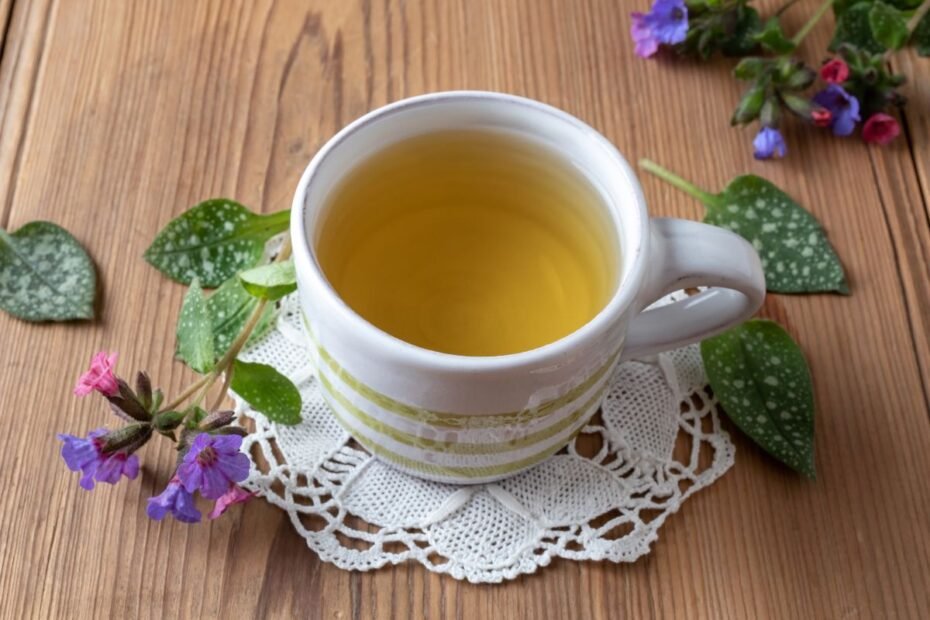
Lungwort tea has long enjoyed a strong reputation in traditional herbal medicine, particularly as a remedy for respiratory problems. Herbalists often point to the plant’s very name—lungwort—as a clue to its traditional use for upper respiratory conditions such as tracheitis, bronchitis, and pneumonia.
If you suffer from a dry cough accompanied by a weakened or hoarse voice, lungwort tea may provide soothing relief. Traditional herbal practice suggests that drinking it for several days can help loosen respiratory secretions, making them easier to clear through coughing. Herbalists also attribute anti-inflammatory, pain-relieving, and antispasmodic properties to the plant. Traditionally, people have used lungwort for a range of other complaints, including cystitis, urinary incontinence, nephritis, urethritis, and kidney or gallbladder stones and sediment.

However, modern science has not yet produced enough high-quality research to confirm or rule out all of these traditional claims. Lungwort and its tea may offer certain benefits, but current evidence does not support the broad range of therapeutic effects traditionally attributed to the plant.
A Brief Introduction to Lungwort
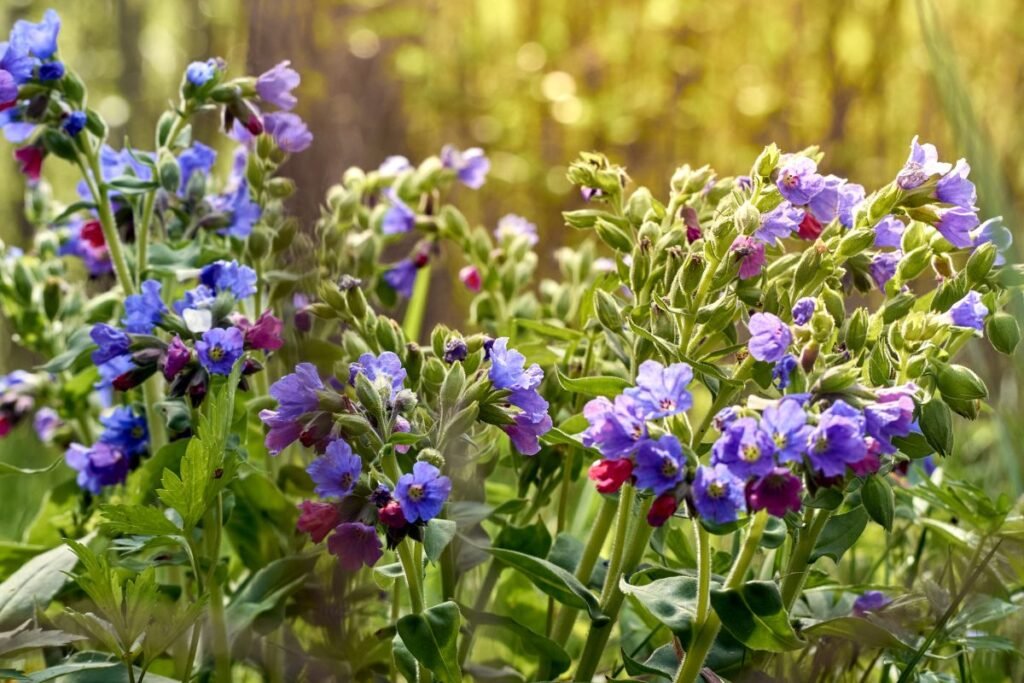
Unspotted lungwort (Pulmonaria obscura) and common lungwort (Pulmonaria officinalis) are medicinal plants that feature prominently in traditional herbal medicine. Lungwort ranks among the earliest spring plants to emerge along woodland edges after the snow melts. It blooms early in the season and attracts numerous bees.
The plant’s Latin genus name, Pulmonaria, relates to the lungs. This association has contributed to the traditional name “lungwort” and to its long-standing reputation as an herb that supports the respiratory system.
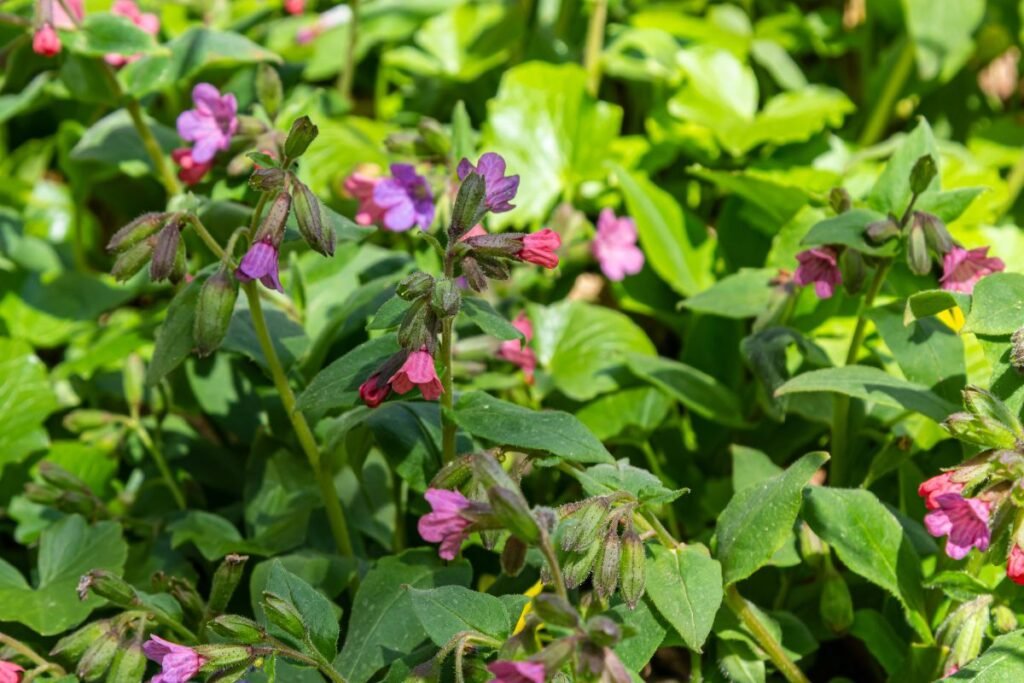
Lungwort is a perennial plant that usually grows to around 30 cm in height. It belongs to the borage family (Boraginaceae) and includes around 14 recognized species. The plant occurs naturally across parts of Europe and Asia. It develops an upright stem and large, lance-shaped leaves, while its individual flowers resemble small bells.
Lungwort does not tolerate intense heat well, so it prefers the cool, sheltered conditions found beneath tall trees and shrubs.
Lungwort’s Chemical Composition
Like other medicinal plants, lungwort owes its potential therapeutic properties to its chemical composition. The plant contains several beneficial nutrients, including vitamins C and P. It also provides calcium and potassium, along with some trace elements such as manganese, strontium, copper, iodine, silicon, titanium, and iron.
Lungwort also contains rutin, mucilage, tannins, and flavonoids. Its chemical profile includes silicic acid, saponins, polyphenols, and other bioactive compounds that may contribute to its traditional medicinal uses.
How to Harvest and Dry Lungwort
If you do not grow lungwort in your garden, you can usually find it in meadows, woodlands, and woodland edges. Traditional herbal practice uses various parts of the plant as medicinal raw material.
Harvest the flowers and leaves in spring or early summer, and dig up the roots in autumn. You can dry the above-ground parts in small bunches after cutting them away from the roots. Try to dry the leaves and flowers as quickly as possible because prolonged moisture can cause them to darken, deteriorate, and develop mould.
The roots require considerably more time to dry. Choose a well-ventilated area and keep the plant material away from direct sunlight throughout the drying process.
Once completely dry, store lungwort in a wooden box lined with paper. Properly dried herb material should have little to no noticeable odour and should retain a light green colour.
Lungwort Benefits Supported by Scientific Research
For centuries, traditional medicine has used common lungwort (Pulmonaria officinalis) as a herbal remedy for respiratory conditions. Given its diverse chemical composition, researchers have investigated whether the plant may support respiratory health and help loosen mucus.
However, scientific evidence remains limited. Existing research suggests several potentially beneficial properties, but most studies involve laboratory models or animals rather than humans.
Lungwort Tea May Support Neurological Health
Acetylcholine is a neurotransmitter that plays an important role in learning and memory. Reduced acetylcholine activity occurs in Alzheimer’s disease and may contribute to cognitive decline. Researchers have therefore explored ways to preserve acetylcholine levels by inhibiting acetylcholinesterase (AChE), the enzyme that breaks down acetylcholine.
A 2012 laboratory study found that lungwort showed AChE-inhibiting activity. Researchers attributed this effect, at least in part, to depsidones—bioactive compounds found in the plant. These findings suggest that lungwort may have potential for supporting neurological function, although they do not demonstrate that drinking lungwort tea can prevent or treat Alzheimer’s disease.
Lungwort Tea May Help Reduce Inflammation
Several animal studies suggest that lungwort may possess anti-inflammatory properties. In a 2003 study, lungwort extract produced a moderate reduction in inflammation in rats with ulcers. Another study, published in 2019, found that lungwort reduced paw swelling in mice, apparently by influencing inflammatory processes.
These findings provide interesting clues about the plant’s potential biological activity. However, animal studies cannot establish that lungwort tea produces the same effects in humans. Researchers need further studies, particularly well-designed clinical trials, before they can determine whether lungwort offers meaningful anti-inflammatory benefits to people.
Scientifically Unproven Claims About Lungwort
Although traditional medicine has valued lungwort for centuries, researchers point out that many claims about its health benefits still lack reliable scientific evidence. Current research does not demonstrate that lungwort can treat tuberculosis, pneumonia, asthma, or bronchitis, or that it can thin mucus, soothe a sore throat, relieve chronic cough, or treat eczema, urinary tract infections, or haemorrhoids.
For this reason, traditional uses should not replace evidence-based medical treatment, particularly for serious respiratory or other medical conditions.
Lungwort Tea
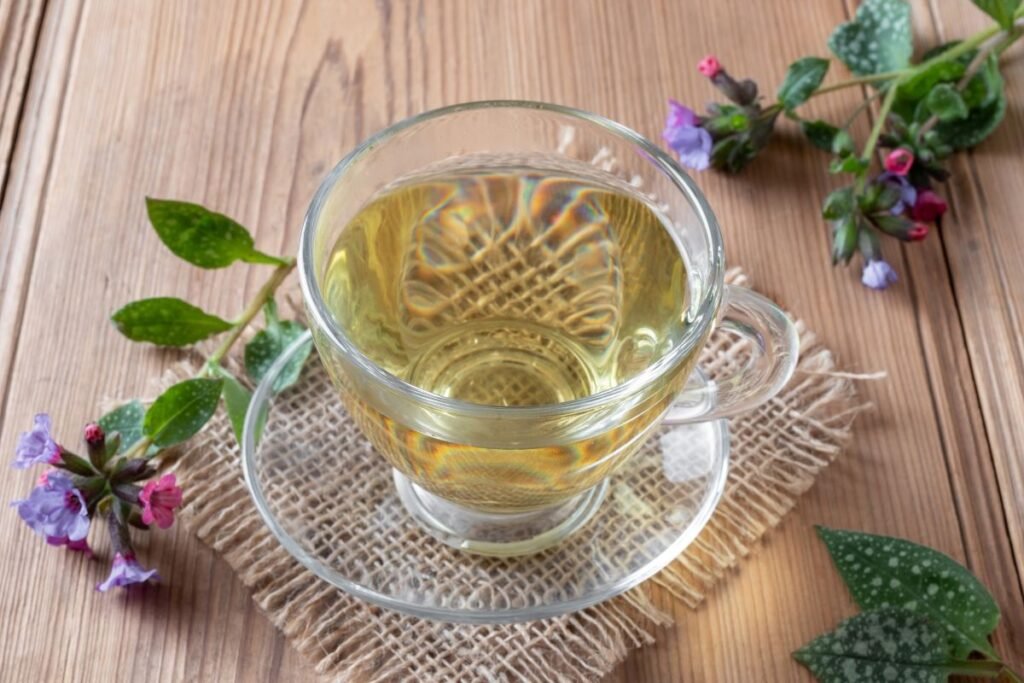
Traditional herbal medicine uses lungwort tea as an expectorant and soothing drink for coughs. A traditional preparation recommends drinking 160 ml three times a day before meals.
You will need:
- 2 tablespoons dried lungwort leaves and flowers
- 400 ml boiling water
Preparation: Pour boiling water over the dried leaves and flowers. Leave the infusion to steep for four hours. Strain before drinking.
Important: This recipe reflects traditional herbal practice rather than a clinically established treatment or dosage.
Lungwort Tincture
Traditional herbal sources recommend lungwort tincture for conditions such as anaemia, asthma, pneumonia, and bronchitis. Some sources also attribute anticancer properties to the tincture and claim that it can improve blood health. However, these effects lack sufficient clinical evidence, so you should not use lungwort tincture as a treatment for these conditions.
You will need:
- 3 tablespoons dried lungwort leaves
- 500 ml vodka
Preparation: Place the dried leaves in a container and cover them with vodka. Seal the container and leave it to infuse for two weeks.
Because this preparation contains alcohol and lungwort has not undergone sufficient safety testing, consult a healthcare professional before using it.
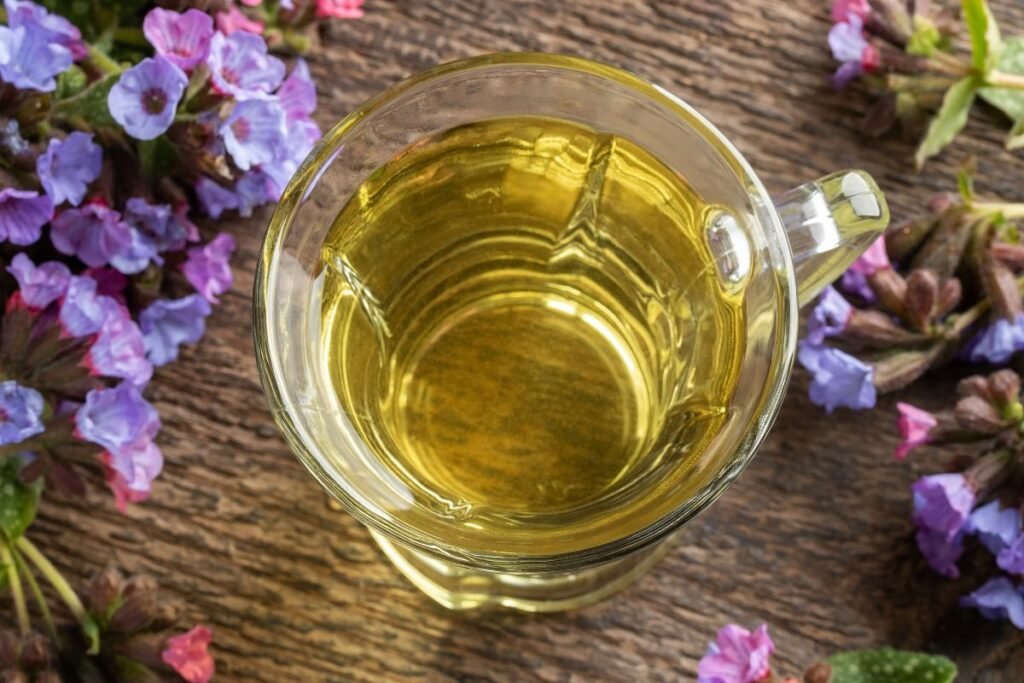
Lungwort Infusion for Cough
Traditional herbal practice recommends this infusion for severe coughing, voice weakness, and even tuberculosis. However, scientific evidence does not support it as a treatment for tuberculosis or other serious respiratory diseases.
You will need:
- 2 teaspoons dried lungwort leaves
- 200 ml boiling water
Preparation: Pour boiling water over the dried leaves and steep for approximately two hours. Strain the infusion before use.
Lungwort Tea with Thyme and Echinacea
Traditional herbalists sometimes combine lungwort with thyme and echinacea for colds and respiratory complaints. The mixture may serve as a soothing herbal drink, but there is not enough evidence to conclude that it can treat respiratory infections or reliably relieve cough or sore throat.
You will need:
- 2 teaspoons dried lungwort leaves and flowers
- 2 teaspoons dried thyme
- two teaspoons dried echinacea
- 200 ml boiling water
- 1 teaspoon honey
Preparation: Combine the dried herbs. Add 2 teaspoons of the mixture to 200 ml of boiling water and leave it to steep for 15–20 minutes. Strain the tea once it has cooled slightly and add honey to taste.
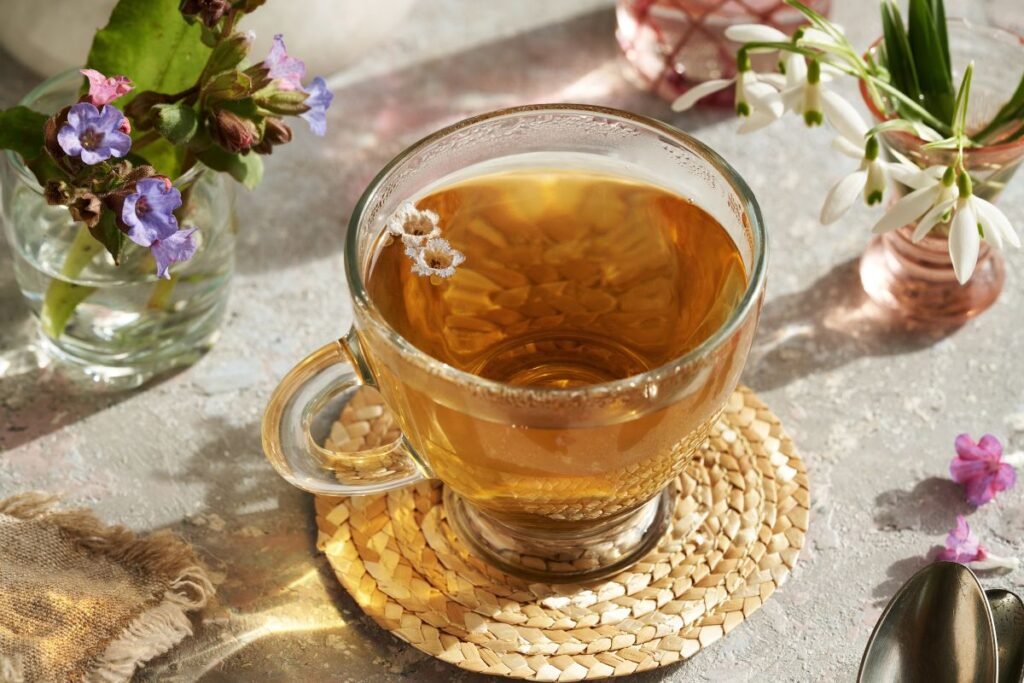
Lungwort Tea with Rosehips and Flaxseeds
Traditional herbal recipes also combine lungwort with rosehips and flaxseeds and recommend the resulting infusion for digestive complaints. However, scientific research does not currently provide enough evidence to confirm these therapeutic effects.
You will need:
- 40 g dried lungwort leaves and flowers
- 100 g rosehips
- 1 tablespoon flaxseeds
- 1 litre of boiling water
Preparation: Combine all the ingredients, pour over the boiling water, and leave the mixture to infuse overnight. Strain the infusion before drinking and consume it in small amounts throughout the day.
Lungwort Tea May Cause Side Effects
Researchers have not yet fully investigated lungwort’s safety profile, so we still lack a clear picture of the potential side effects associated with regular consumption of lungwort tea or other preparations containing the plant. As with many herbal products, lungwort may cause unwanted reactions or interact with medicines.
Take particular care if you:
- take prescription medicines.
- use other herbal products or supplements;
- are pregnant or breastfeeding;
- plan to give lungwort to a child under two years of age;
- have a chronic health condition.
Before consuming lungwort tea, tinctures, or other preparations containing lungwort, talk to your doctor or another qualified healthcare professional. This precaution becomes especially important when you want to use lungwort alongside prescribed treatment or for a persistent or serious health problem.
Sources:
https://www.healthline.com/health/lungmoss
Research:
- https://www.tandfonline.com/doi/full/10.3109/14756366.2012.677839
- https://pubmed.ncbi.nlm.nih.gov/13678242/
- https://pubmed.ncbi.nlm.nih.gov/31847731/
Associative photos © Canva.