
Staghorn sumac tea is a beverage that herbal enthusiasts rediscovered with increasing frequency, built on the long-known yet still underappreciated fruits and leaves of the sumac plant. Traditional medicine used staghorn sumac (Rhus typhina) and other members of this botanical genus for centuries across North America, the Middle East, and Asia. Today, scientific research confirms what traditional knowledge has long suggested: sumac tea benefits. It possesses strong antioxidant, anti-inflammatory, and antimicrobial properties, making this unusual herbal drink worthy of closer attention.
What Is Sumac and Why Is Its Tea Worth Noticing?
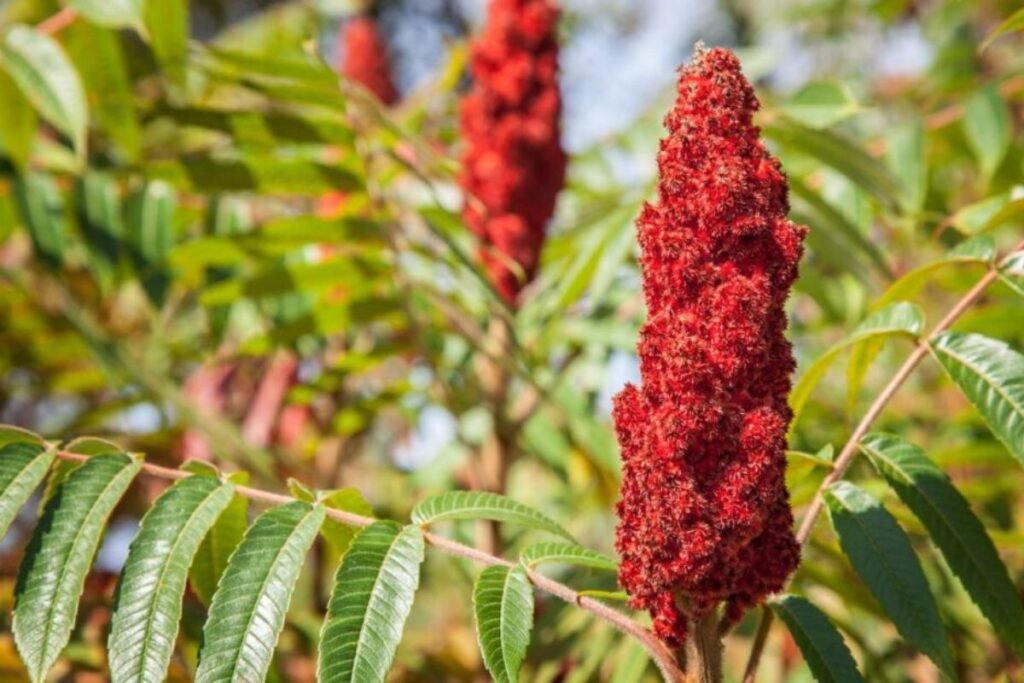
Sumac (Rhus) is a genus of plants belonging to the cashew family (Anacardiaceae), comprising approximately 250 species distributed across temperate and subtropical regions on every continent. These plants typically grow as deciduous shrubs or small trees. They have feather-like compound leaves and striking clusters of fruits. The most common species is staghorn sumac (Rhus typhina), often found in parks and gardens. Sometimes it naturalizes along forest edges, where it spreads through root shoots and is easily recognizable by its velvety red fruit clusters. For tea preparation, people frequently use the fruits of smooth sumac (Rhus glabra) and staghorn sumac (Rhus typhina). These juicy drupe-like fruits contain the highest concentration of biologically active compounds.
Other medicinally valued species include Chinese sumac (Rhus chinensis) and fragrant sumac (Rhus aromatica). The fruits of Sicilian sumac (Rhus coriaria) have long been used as a spice in Mediterranean cuisine, widely known in the Middle East as sumac seasoning. All of these relatives share a defining characteristic: a distinctly tangy flavor and a nutritionally valuable chemical composition.
The Chemical Composition of Sumac – What Makes It So Valuable?
The fruits and leaves of sumac contain a rich diversity of biologically active compounds, including the following:
- Tannins (gallotannins)—provide astringent properties, protect against bacteria and fungi, and strengthen mucous membranes.
- Organic acids (malic, citric, and tartaric acids)—create the characteristic tart taste and support metabolic processes.
- Flavonoids and anthocyanins – powerful antioxidants that protect cells from oxidative stress
- Vitamin C strengthens the immune system and functions as an antioxidant.
- Polyphenols help reduce inflammation and support cardiovascular health.
- Essential oils (particularly in fragrant sumac) contribute aroma and antimicrobial activity.
- Gallic acid—a well-known compound recognized for its strong antimicrobial and potential anti-tumor effects
The synergy of these substances contributes to the wide-ranging benefits of sumac tea, from strengthening immunity to improving digestion and supporting skin health.
When and How to Harvest Sumac Fruits for Tea
Sumac fruits intended for tea are typically harvested between September and October, when the clusters develop a deep red color, and the fruits reach full maturity. During this period, the concentration of beneficial compounds is at its highest. The ideal harvesting time is a dry morning after the dew has evaporated.
Key harvesting guidelines:
- Collect only bright red, healthy-looking fruit clusters to avoid immature or damaged fruits.
- Avoid plants growing near roads, industrial areas, or heavily fertilized agricultural land.
- Harvest on a dry, clear day, as damp clusters are more likely to develop mold and lose their medicinal value.
- Use clean scissors or pruning shears rather than pulling fruits by hand.
- Never harvest more than one-third of the clusters from a single plant.
- For leaves, the best harvesting period is May and June, when they are still young and fresh.
Important: Staghorn sumac (Rhus typhina) and smooth sumac (Rhus glabra) are suitable medicinal species. However, accurate plant identification is essential, as people may confuse sumac with poison ivy (Toxicodendron radicans), which belongs to the same plant family but poses a health risk.
Drying and Storing Sumac Fruits
Proper preparation of sumac fruits is a crucial step in preserving their medicinal properties. After harvesting, the fruit clusters should be carefully inspected, and any damaged or discolored fruits should be removed.
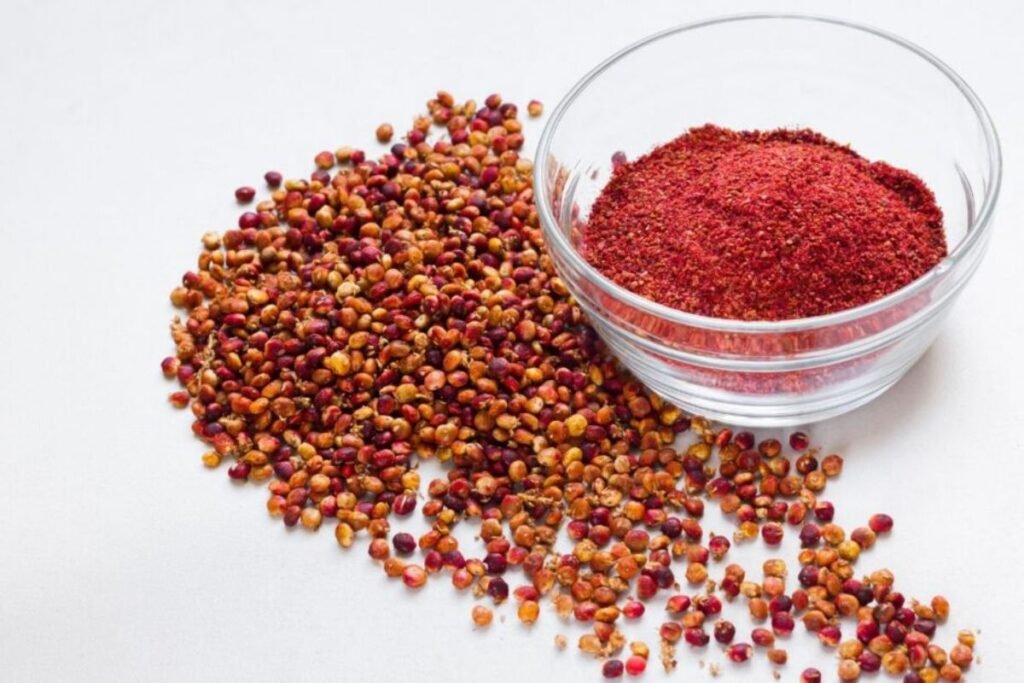
For natural drying, separate the fruits or cut clusters into smaller sections and spread them in a thin layer on clean fabric or paper in a well-ventilated area away from direct sunlight. Drying typically takes between five and ten days, depending on humidity levels. Rotate the fruits daily and check regularly for signs of mold. If using a dehydrator, dry the fruits at a temperature of 35–40°C (95–104°F) for approximately 8–10 hours.
Properly dried fruits appear dark red, feel slightly firm to the touch, and release a distinctive tart aroma. Store it in airtight glass jars or paper bags in a dark, dry place. When stored correctly, dried sumac fruits can retain their medicinal qualities for up to two years.
Sumac Tea Benefits
Sumac tea benefits affect multiple systems of the body, which are recognized by traditional herbal medicine and modern scientific studies.
- Immune system. A high concentration of vitamin C and polyphenols strengthens the body’s natural defenses, supports faster recovery from colds, and reduces the risk of infections.
- Digestive system. Tannins help reinforce the intestinal lining, reduce diarrhea, and support digestive balance, while organic acids stimulate digestive secretions and improve nutrient absorption.
- Cardiovascular system. Flavonoids and polyphenols help reduce cholesterol oxidation, improve blood vessel elasticity, and protect against the development of atherosclerosis.
- Oral and throat health. Antibacterial and astringent properties help combat throat inflammation, gum disease, and harmful oral microbes, making sumac tea particularly suitable for gargling.
- Skin care. Anti-inflammatory properties support healing in cases of skin irritation, rashes, and minor wounds. So, externally applied tea may help manage certain fungal skin infections.
- Antioxidant protection. A rich polyphenol profile helps neutralize free radicals, slow oxidative stress, and support healthy cellular aging.

What Does Sumac Tea Taste and Smell Like?
Sumac tea has a distinctive personality. It is not a delicate herbal infusion, but rather a bold beverage with a pronounced tartness and a mildly astringent finish, reminiscent of wild cranberry or pomegranate juice layered over a warm herbal background.
The color is a vivid reddish-brown that looks particularly appealing in a glass. The aroma is herbal with gentle sour notes. You can enhance its tartness with lemon or soften it with a spoonful of honey or a small amount of sugar. It also pairs exceptionally well with ginger, cinnamon, or juniper sprigs.
Classic Sumac Tea
Sumac tea benefits are a simple and traditional way to harness the properties of these vibrant red fruits. It offers a pleasant, lightly tart flavor and a refreshing aroma. This tea is commonly consumed to support general wellness, maintain digestive balance, or be a natural everyday beverage. Preparation is straightforward, but it is essential not to use boiling water to preserve more of the beneficial compounds.
Ingredients:
- 1–2 tablespoons dried sumac fruits
- 400 ml water
- honey or lemon to taste (optional)
Preparation:
- Lightly crush the dried fruits to release more beneficial compounds.
- Pour warm water (not boiling – approximately 85–90°C / 185–194°F) over the fruits.
- Cover and allow to steep for 15–20 minutes.
- Strain through a fine sieve or cheesecloth.
- If desired, sweeten with honey or add lemon juice.
Use: Drink 1–2 cups per day between meals. A typical course lasts 3–4 weeks, followed by a two-week break.

Sumach Tea for Colds with Ginger and Cinnamon
This variation of sumac tea is especially suitable in colder seasons, when a warming, strengthening drink is desired. Ginger adds warmth and a slightly spicy note, while cinnamon contributes a pleasant aroma. Together with sumac fruits, these ingredients create a fragrant beverage often consumed at the first signs of a cold or when immune support is needed.
Ingredients:
- a tablespoon of dried sumac fruits
- 1 teaspoon freshly grated ginger
- 1 small cinnamon stick
- 350 ml water
- honey to taste
Preparation:
- Crush the sumac fruits and place them in a cup together with ginger and cinnamon.
- Pour water heated to 85–90°C over the mixture.
- Cover and steep for 20 minutes, then strain thoroughly.
- Stir in honey.
Use: Drink warm when experiencing cold symptoms, throat discomfort, or early signs of illness.
Cold Sumac Drink
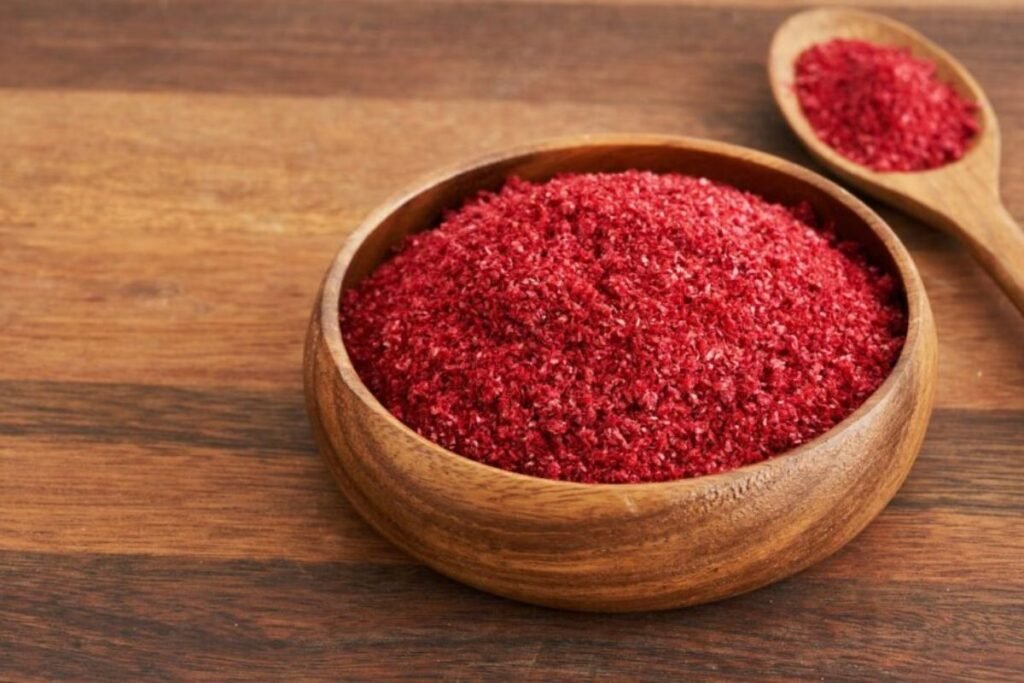
Sumac fruits are also well-suited for cold beverages, including a traditional drink once prepared by Native American communities and known as sumac lemonade or rhus juice. Pour cold water over crushed fresh or dried fruits (not hot water, which helps preserve color and aroma), allow the mixture to steep for 20–30 minutes, and then strain thoroughly. Sweeten to taste, add lemon juice if desired, and serve with ice.
Who Should Avoid Sumac Tea?
Although sumac tea is natural and suitable for many people, there are situations where caution is advised:
- pregnancy and breastfeeding—it is best to avoid use until more research is available.
- allergy to plants from the cashew family (such as cashews, mango, or pistachios) due to possible cross-reactivity
- reduced blood clotting or use of blood-thinning medications, as tannins may enhance their effects
- ulcerative digestive conditions, where astringent compounds may irritate sensitive mucous membranes
- kidney disorders, due to potential diuretic effects
- children under 12 years of age, for whom sumac tea is generally not recommended
Anyone with chronic medical conditions or taking medication should consult a healthcare professional before beginning regular use of sumac tea.
Sumac tea is a distinctive beverage with a bold flavor and a rich nutritional profile that is only beginning to find its place on the shelves of herbal practitioners. This tart plant, commonly growing in parks and gardens, holds far more potential than it may appear at first glance. When properly harvested, dried, and prepared, sumac fruits can become a valuable companion to natural wellness—especially during the colder months, when the body most benefits from immune support and a warming, vitamin-rich drink.
Sources:
- https://www.healthline.com/nutrition/sumac-benefits-uses-and-forms
- https://pmc.ncbi.nlm.nih.gov/articles/PMC7828031/
- https://www.realsimple.com/food-recipes/ingredients-guide/sumac
- https://curesquest.com/sumac-tea-benefits-side-effects/
- https://www.canr.msu.edu/news/making_sumac_tea
Associative photos © Canva.