
Many people widely know and use Iceland moss in the form of throat lozenges or cough syrups. But what exactly is Iceland moss? Is it truly connected to Iceland, as its name suggests, and is it really a moss? How can we use it? Where can it be found? Are there any benefits of Iceland moss tea? This guide provides clear answers to all the mentioned questions
What Is Iceland Moss and How Can You Recognize It?
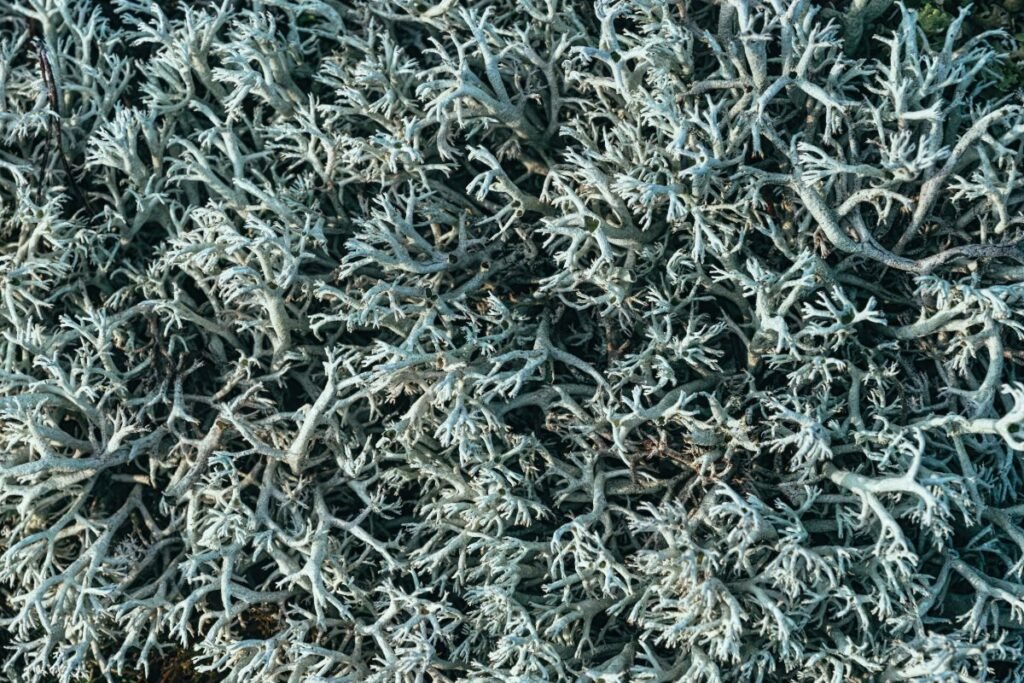
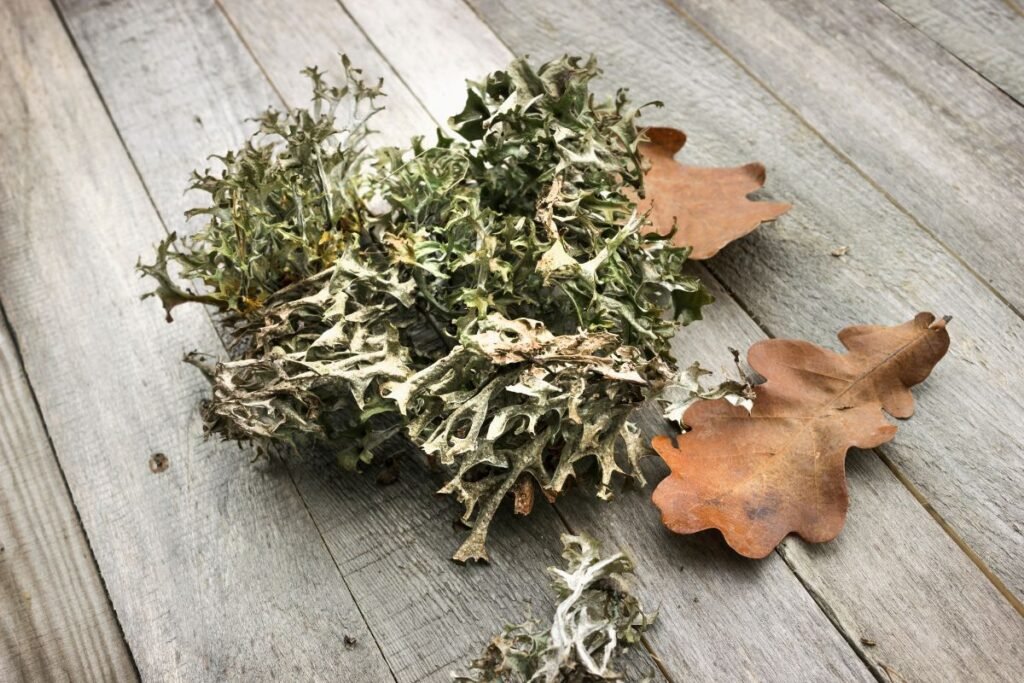
Iceland moss is not actually a moss but a lichen—a unique organism formed through a symbiotic relationship between fungi and algae. It typically grows in irregular, bush-like clusters or clumps that may resemble aquatic plants.
The lichen consists of flat, branching lobes with slightly hairy edges. Its upper surface is usually greenish-brown, sometimes with darker brown patches, while the underside tends to be grayish with small white spots. Mature clusters generally reach a height of about 5 to 10 centimeters.
Iceland moss thrives in dry, open environments such as heathlands, pine forests, peatlands, mountain ridges, rocky woodlands, and foothill regions. It is widely distributed across the Northern Hemisphere, particularly in Scandinavia, the United Kingdom, and North America. People can also find Iceland moss in other parts of Europe, especially in dry pine forests.
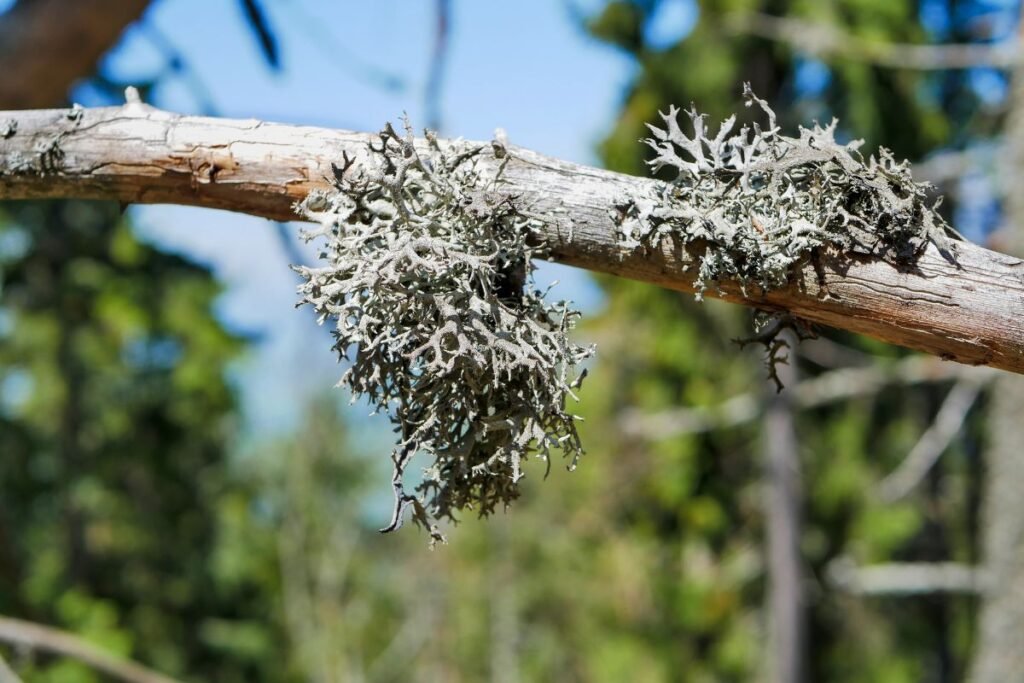
Harvesting Iceland Moss
The presence of Iceland moss in nature is an indicator of a healthy ecosystem. This is because lichens absorb nutrients directly from their surroundings—but they also absorb pollutants in the same way. As a result, they can only survive and reproduce in relatively clean environments. Their abundance in a given area usually signals low levels of environmental pollution.
For medicinal and nutritional use, people typically harvest Iceland moss during the summer months. They collect only mature clusters taller than 5 centimeters, and they remove them carefully.
After harvesting, the material must be thoroughly cleaned of soil and forest debris and then dried in sunlight. Properly prepared Iceland moss should be stored in an airtight container in a dark place and used within four years.
Should You Gather Iceland Moss Yourself or Buy It?
Although collecting Iceland moss may seem simple, it is crucial to consider conservation rules before heading into the forest. There are strict harvesting guidelines designed to protect this species.
Two key rules are:
- Iceland moss should not be harvested from the same location more often than every 5 to 6 years.
- Clusters smaller than 5 centimeters must not be collected.
These regulations exist for a reason. Iceland moss grows very slowly and does not always regenerate in harvested areas. It can take 10 to 15 years for a cluster to reach full size. If people overharvest large areas, mosses and other forest plants often take over the space, making it difficult for Iceland moss to return.
For the sake of both nature and personal safety, purchasing Iceland moss products from pharmacies or reputable suppliers is often the more responsible choice. Certified producers typically follow sustainable harvesting practices and quality standards.
Health Benefits of Iceland Moss
Iceland moss contains biologically active compounds that can support the human body. These substances provide anti-inflammatory properties, antiseptic effects, and soothing action on irritated tissues. People commonly use it to help manage colds, coughs, throat irritation, and respiratory tract conditions
Its medicinal use is rooted in long-standing traditions of herbal and folk medicine. In modern practice, Iceland moss is often found in the form of cough syrups, throat lozenges, and herbal teas.
Iceland moss may be helpful if you:
- Have a sore throat
- Experience dryness or irritation in the throat that triggers coughing
- Suffer from a persistent or deep cough and need support with mucus clearance
- Have reduced appetite and want to stimulate digestive enzyme production
- Need traditional herbal support for intestinal parasites
How to Prepare Iceland Moss Tea
Iceland moss tea naturally has a slightly bitter taste. Try to soften the bitterness by adding honey. Preparing the tea with milk is another option, as milk helps neutralize the bitterness.
Simple preparation method: add 1–2 teaspoons of dried, crushed Iceland moss, pour over 200 ml of boiling water. Let it steep for 10 minutes. For therapeutic use, you can consume one cup of this tea up to three times per day.
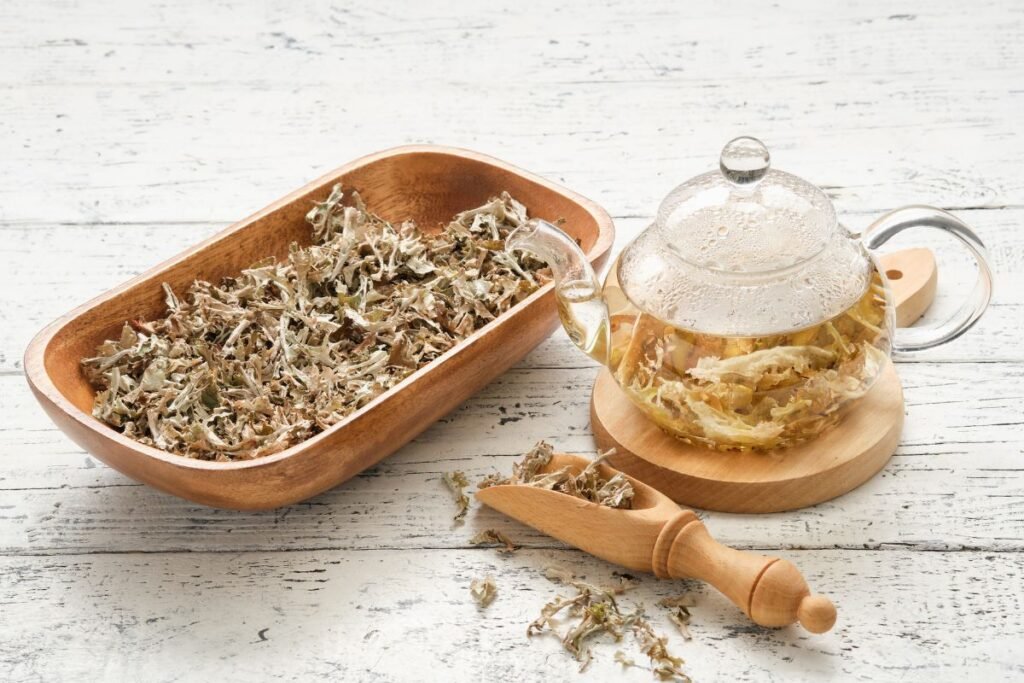
Iceland Moss Tea for Bronchitis
You will need:
- 1–2 teaspoons of dried Iceland moss
- 1 glass of milk
Place the Iceland moss into a medium-sized saucepan and pour in the milk. Cover the pot and simmer briefly over low heat. Strain the decoction and drink it while still warm, preferably in the evening before bedtime.
Warming Iceland Moss Tea with Cinnamon
If you have caught a cold or want to warm up after cold weather, try preparing Iceland moss tea with cinnamon. This comforting drink not only helps warm the body but may also support the immune system against seasonal illnesses.
You will need:
- 1 teaspoon of dried Iceland moss
- one cup of milk
- 1 teaspoon of honey
- a cinnamon stick
Bring the milk to a boil in a medium-sized saucepan. Add the Iceland moss and the cinnamon stick. Simmer gently over low heat for about 10 minutes. Strain the prepared tea into a cup, add honey, and drink it warm.
A Nutritious Ingredient for Culinary Use
Iceland moss is believed to be one of the earliest lichens used as a meal. Historical records show that as early as 1281, Icelandic legal documents prohibited gathering lichens from forests owned by others—an indication of their value as a food resource.
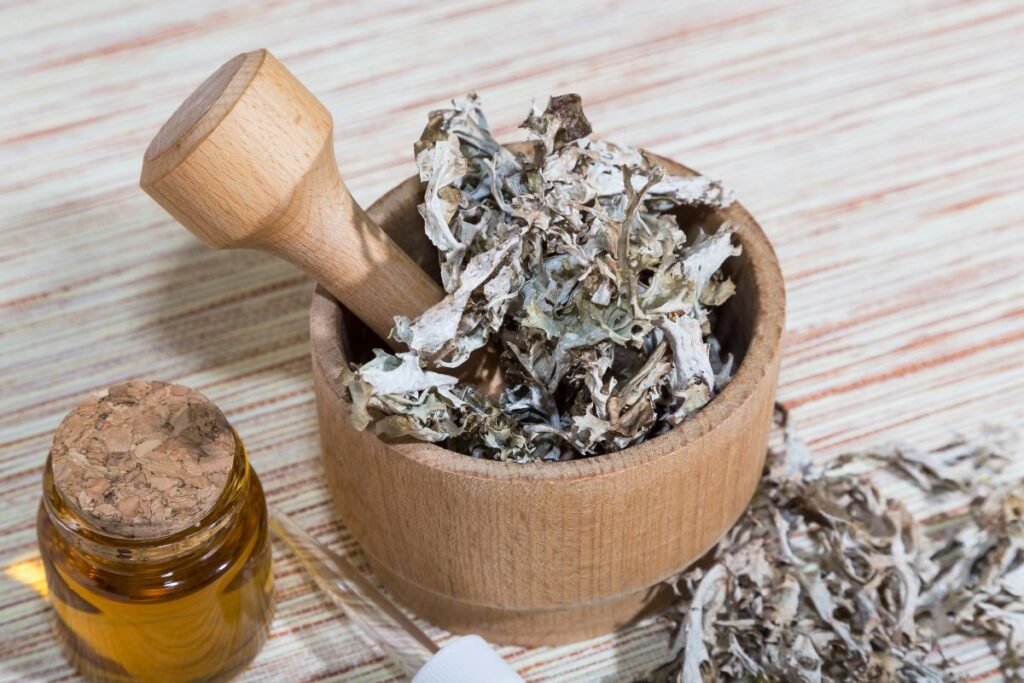
In Iceland and throughout Scandinavia, Iceland moss is still used in traditional cuisine today. This is not surprising, as it contains a range of nutrients that can help support overall health and vitality. You may add it to salads, used in soups, ground into powder, and mix it into baking dough due to its relatively high starch content.
Because Iceland moss naturally has a bitter taste, it usually requires preparation before being used as food. The most common method involves soaking the chopped lichen in water and mixing it with baking soda for several days. Discard the water, and rinse and soak the lichen again in fresh cold water. This process helps remove the bitterness.
Milk can also reduce bitterness. Therefore, when preparing milk-based dishes, additional pre-treatment of Iceland moss is often unnecessary.
Iceland Moss Soup
This soup is not only nourishing but also traditionally considered beneficial for health. While it is relatively unknown in many countries, it remains a popular dish in Iceland.
You will need:
- 1–2 clusters of Iceland moss
- 1 liter of whole milk
- 2–3 tablespoons of brown sugar
- ½ teaspoon of salt
Thoroughly clean and rinse the Iceland moss, then chop it into small pieces. Bring the milk to a boil in a saucepan and add the prepared lichen. Simmer for 2–3 minutes. Add salt and sugar, stir well, and wait until dissolved. Serve Iceland moss tea warm and enjoy.
Iceland Moss Syrup
For many people, the term Iceland moss syrup primarily evokes cough remedies sold in pharmacies. However, specialty food stores also offer gourmet versions of this syrup designed for culinary use. With its slightly bitter taste and earthy notes, you can use Iceland moss syrup as a topping for pancakes, ice cream, or desserts, a complement to cheeses, a flavor enhancer for cured or smoked fish, a seasoning for meat dishes, especially game, and an ingredient in marinades and sauces.
Supporting Skin Health Naturally
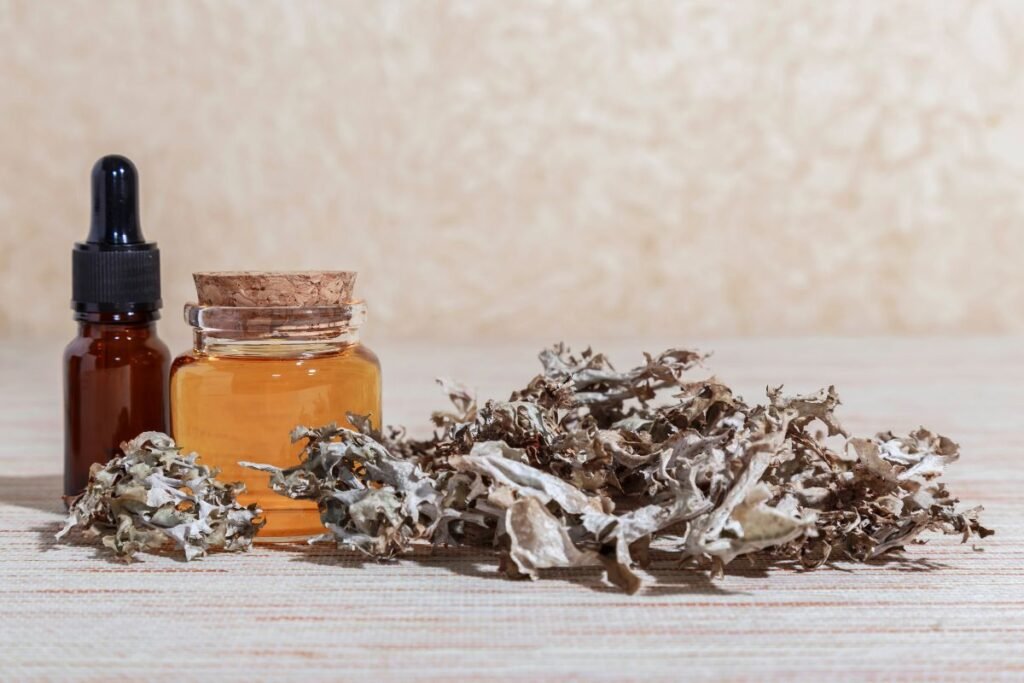
Iceland moss is a natural source of glycerol, that why cosmetic industries use it in the production of skincare products such as soaps, scrubs, or creams.
Iceland moss decoction supports skin regeneration and hydration. You can use it in simple at-home skincare routines.
You will need:
- 10–20 grams of dried Iceland moss
- 1 liter of water
Place the Iceland moss into a pot and add water. Simmer until the liquid volume reduces in half. Turn off the heat, cover the pot, and allow the mixture to cool. Strain the prepared decoction.
Soak gauze or cloth compresses in the liquid and apply them to the face. Relax and rest for about 30 minutes.
Possible Side Effects of Iceland Moss Tea and Herb
Iceland moss is generally safe for consumption. However, due to limited scientific data, precise dosage recommendations have not been firmly established.
Regular consumption in large quantities may increase the likelihood of side effects such as nausea, diarrhea, stomach discomfort, and liver irritation.
Because Iceland moss accumulates environmental pollutants, experts do not recommend using raw, unprocessed material collected from unknown sources.
There is also insufficient evidence regarding interactions between Iceland moss and medications. Some of its chemical compounds may reduce the absorption of certain drugs, potentially decreasing their effectiveness.
During pregnancy or breastfeeding, it is advisable to consult a healthcare professional before using Iceland moss products.
Sources:
- https://www.healthline.com/nutrition/icelandic-moss
- https://valeriaingold.medium.com/111-moods-of-herbal-tea-day-13-iceland-moss-578330402db
- http://icecook.blogspot.com/2007/02/iceland-moss-soup-fjallagrasamjlk.html
- https://www.ema.europa.eu/en/documents/herbal-summary/iceland-moss-summary-public_en.pdf
Associative photos © Canva.