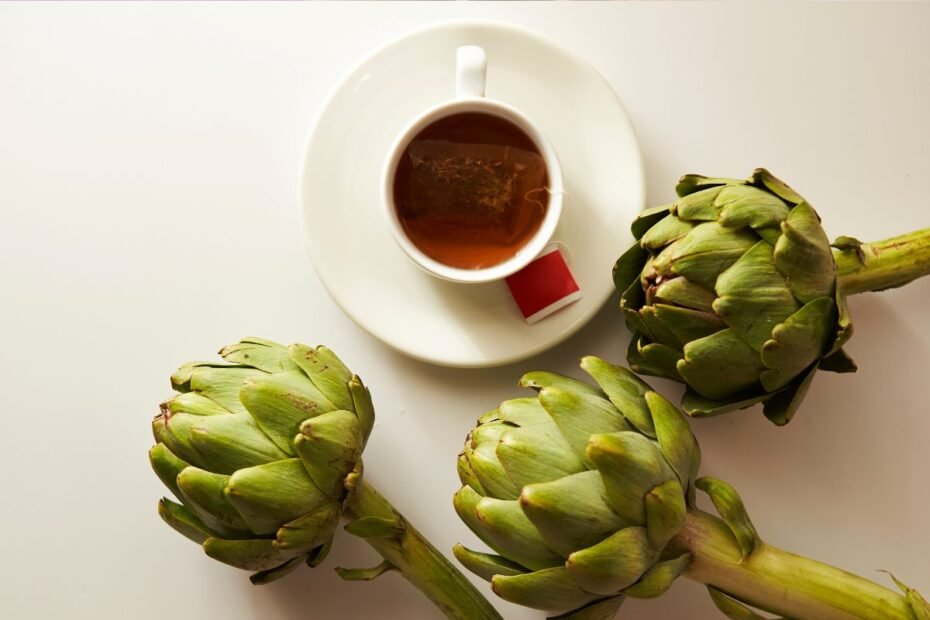
Artichoke tea may truly prove to be a worthwhile discovery for its uniqueness and potential benefits for liver function, digestion, and overall health. Despite this, the drink has relatively few admirers because of its bitter taste. Interestingly, this very bitterness can be beneficial. Research suggests that compounds responsible for bitter flavors may support appetite regulation, lipid metabolism, and even help stabilize glucose fluctuations. Nevertheless, as this tea is unfamiliar to many, you should consume it with care. For this reason, we will explore not only its value, artichoke tea benefits for health, and preparation methods, but also its possible side effects.
What Is Artichoke Tea?
Artichoke tea is an herbal infusion made from the leaves of the artichoke plant (Cynara scolymus), rather than from the edible flower buds commonly used in cooking. Since both artichokes and artichoke tea are relatively uncommon and non-traditional in many countries, it is helpful to outline what first-time tasters can expect from this beverage.
First and foremost, the flavor is distinctly bitter, herbal, and mildly earthy, with notes reminiscent of chicory or dandelion tea. Some people detect a subtle hint of sweetness in the aftertaste, though it is far from the gentle softness of chamomile or mint.
The aroma is not particularly intense—herbaceous, natural, and faintly evocative of hay, leaves, or fresh vegetables.
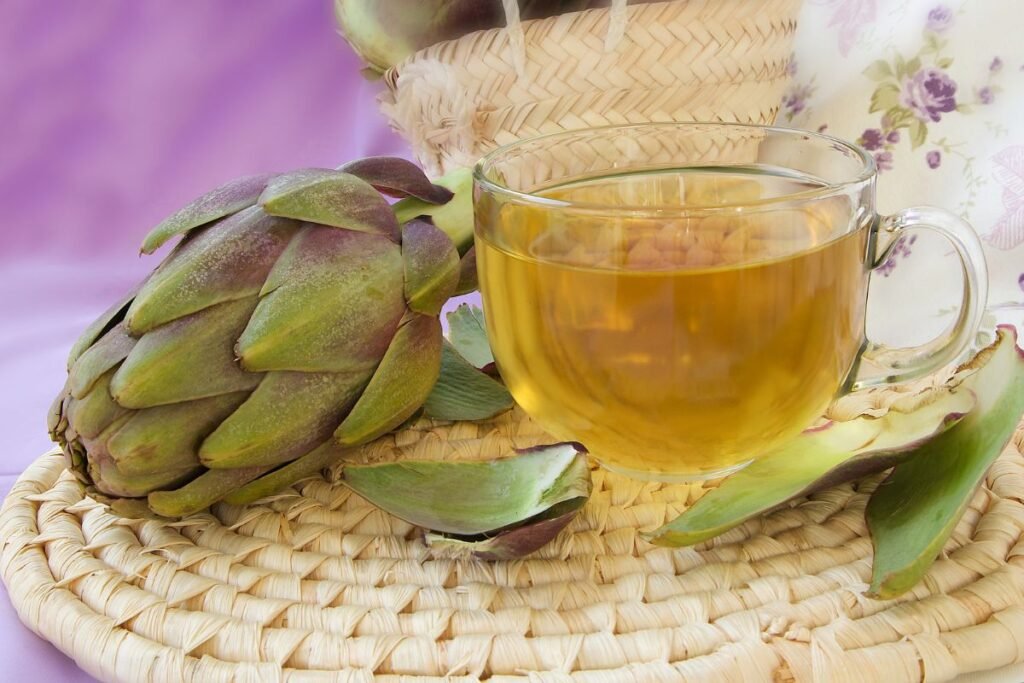
As for appearance, brewed artichoke tea ranges from pale yellow to amber or light brown and may appear slightly cloudy.
The Nutritional Value of Artichoke Tea
Developing a taste for artichoke tea may take time, but does it offer value in other ways? The table below presents the substances found in 100 ml of artichoke tea and their approximate amounts.
| Component | Amount per 100 ml | % of RDI |
| Energy | ~1 kcal | – |
| Carbohydrates | ~0.25 g | – |
| Vitamin C | ~0.5 mg | ~0.6% |
| Vitamin B1 (Thiamine) | ~0.005 mg | <0.5% |
| Vitamin B2 (Riboflavin) | ~0.005 mg | <0.5% |
| Folate (Vitamin B9) | ~2.5 µg | ~1.25% |
| Potassium (K) | ~20 mg | ~1% |
| Magnesium (Mg) | ~2.5 mg | ~0.7% |
| Iron (Fe) | ~0.15 mg | ~1% |
| Phosphorus (P) | ~5 mg | ~0.7% |
As shown in Table 1, artichoke tea does not stand out for its vitamin or mineral content, as these nutrients are present in relatively modest amounts. Its value lies elsewhere—namely, in its rich profile of bioactive compounds. These include cynarin, chlorogenic acid, luteolin, and other polyphenols. Together, they are responsible for the tea’s antioxidant and anti-inflammatory properties, stimulation of bile secretion, regulation of lipid metabolism, and support of liver function.
Artichoke Tea Benefits
So, what exactly are the benefits of artichoke tea? Scientists well documented its positive effects on liver health and digestion, while they are actively exploring other potential artichoke tea benefits. Let us examine these areas in greater detail.

Support for Liver Function (Hepatoprotective Effects)
Researchers explain the hepatoprotective action of artichoke tea through several biological mechanisms. Compounds found in artichoke leaves—such as cynarin, chlorogenic acid, and flavonoids (including luteolin and apigenin)—are believed to reduce oxidative stress in liver cells, inhibit lipid peroxidation, and stimulate bile production.
In vitro studies have demonstrated that artichoke extracts protect hepatocytes from hydrogen peroxide (H₂O₂)-induced oxidative damage. Animal experiments involving rats with chemically induced liver injury showed that artichoke extract reduced ALT and AST enzyme levels and improved liver tissue structure. Furthermore, a randomized, placebo-controlled clinical trial involving 90 participants found that individuals with functional liver disorders experienced reduced discomfort and improved biochemical markers.
Improved Digestion and Bile Secretion
Artichoke extracts—and, by extension, artichoke tea—contain bitter compounds that may not be pleasant to the palate but play a vital physiological role. These compounds, particularly cynarin and bitter sesquiterpenes, stimulate bile secretion and activate digestive reflexes.
One human physiological study revealed that bile flow increased by up to 127% following consumption of an artichoke leaf preparation compared to a control. Clinical observations also reported reductions in bloating, nausea, and meal heaviness. This makes artichoke tea a well-supported option for easing functional digestive discomfort, especially after consuming fatty foods.
Antioxidant Activity
Nearly all teas contain antioxidants, but their potency varies widely. Artichoke preparations have demonstrated exceptional antioxidant activity among vegetables, as confirmed by ORAC and DPPH assays. This effect is attributed to their high polyphenol content—particularly chlorogenic acid and flavonoids—which neutralizes free radicals and reduces lipid oxidation.
Effects on Lipid Metabolism and Cholesterol
Luteolin and chlorogenic acid are mainly attributed to the beneficial impact of artichokes on lipid metabolism and cholesterol levels. These compounds inhibit HMG-CoA reductase, an enzyme involved in cholesterol synthesis. Increased bile acid excretion also plays a role in regulating lipid metabolism.
Meta-analyses support these findings, showing that artichoke leaf extracts can reduce total cholesterol levels by approximately 10–18% over a 6–12 week period. However, it is essential to note that this effect is primarily associated with standardized extracts. Artichoke tea contains significantly lower concentrations of active compounds, and it has supportive rather than therapeutic properties.
Mild Effects on Glucose Regulation
Chlorogenic acid slows glucose absorption and improves insulin sensitivity, prompting initial research into artichoke extracts for blood glucose control. Animal studies have yielded promising results, showing reduced post-meal glucose spikes after artichoke extract consumption.
However, research in this area remains preliminary, and clinical evidence supporting a meaningful glucose-regulating effect from artichoke tea itself is currently limited.
Raw Materials for Artichoke Tea
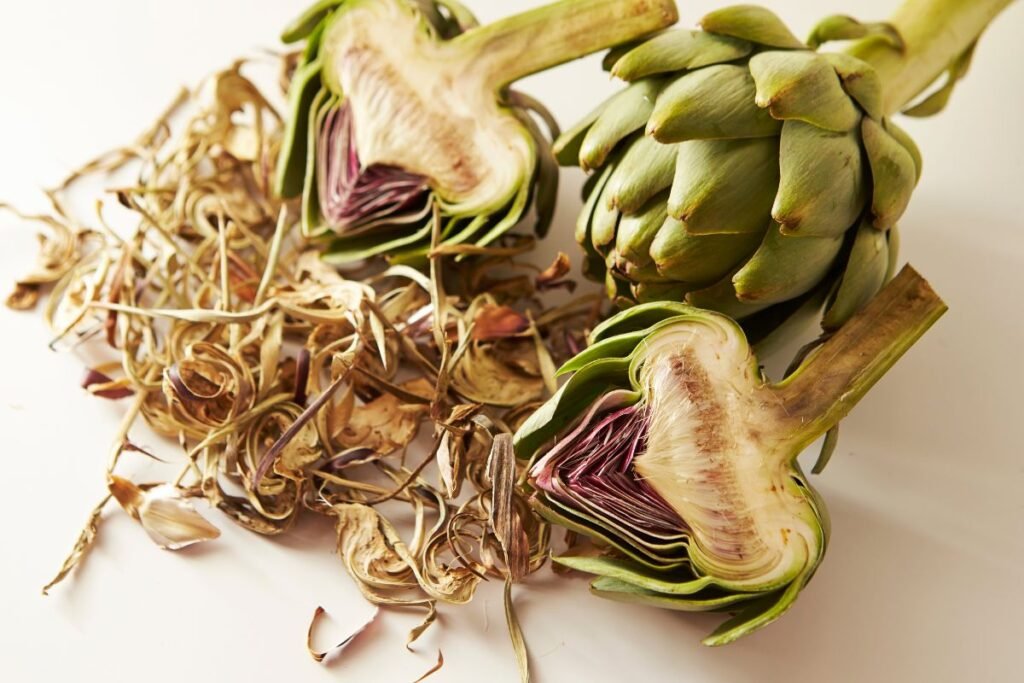
Because fresh artichokes are not widely consumed in some countries, they are usually available only in larger supermarkets, health food stores, or through online retailers. Dried artichoke leaves and herbal tea blends, however, are much easier to find and are commonly sold in pharmacies and specialty shops. True enthusiasts can also grow artichokes at home in the garden.
By the way, floristry centers and flower shops often sell artichoke blooms for decorative purposes, but you shouldn’t use these flowers for tea preparation.
The Most Suitable Artichoke Tea Preparation Method
Most herbal teas are prepared by simply pouring hot water over the plant material. Artichoke tea, however, is best made by simmering and boiling rather than steeping. This method was applied because the active compounds in artichoke leaves are extracted more effectively through gentle boiling. The following way is based on scientific insights into a beverage that closely resembles a mild herbal extract.
Ingredients:
(One artichoke yields approximately 2–3 cups of tea.)
- 1 fresh artichoke (preferably organic)
- 500 ml of water
- Knife, saucepan, and strainer
Preparation:
- Rinse the artichoke thoroughly under running water and separate the leaves from the flower head – use only the leaves.
- Roughly chop the leaves or tear them by hand.
- If the leaves are too bitter, you may briefly blanch them in boiling water for 30 seconds and then drain. However, this step is optional and not recommended if you wish to preserve the full intensity of the active compounds.
- Place the leaves in a saucepan, add 500 ml of cold water, bring to a boil, then reduce the heat and simmer gently for 10–15 minutes.
- Remove from heat, cover, allow to stand for 5 minutes, and strain.
This tea you should typically consume once or twice daily, preferably after meals, at a dose of one cup (150–200 ml). Due to its pronounced bitterness, you can balance the flavor by adding a slice of lemon (once the tea has cooled slightly), mint, fennel, or a teaspoon of honey.

Artichoke Tea and Possible Side Effects
We now arrive at a less pleasant but equally important topic—the potential adverse effects of artichoke tea and artichoke extracts. When consumed in excessive amounts or without moderation, the following reactions may occur:
- Digestive disturbances (the most common) include bloating, abdominal cramps, nausea, diarrhea, and a bitter taste in the mouth.
- Exacerbation of gallbladder conditions, which is clinically significant due to the risk of bile duct obstruction or complications related to larger gallstones.
- Allergic reactions, as artichoke belongs to the Asteraceae family. Individuals allergic to chamomile, wormwood, or calendula should exercise caution. Symptoms may include itching of the mouth, lips, or throat; skin rashes; or hives.
- Changes in blood glucose or cholesterol levels (typically lowering effects) are rare but may be relevant for individuals taking antidiabetic medications, statins, or other lipid-lowering drugs.
- Mild interactions may occur with medications metabolized by the liver, as well as with diuretics and bile-stimulating agents.
- Due to insufficient clinical safety data, experts do not recommend artichoke tea for pregnant or breastfeeding women.
Sources:
- https://www.sciencedirect.com/science/article/abs/pii/S1043661818312672
- https://www.tandfonline.com/doi/abs/10.1080/10408398.2017.1332572
- https://www.liebertpub.com/doi/abs/10.1089/jmf.2022.0025
- https://pmc.ncbi.nlm.nih.gov/articles/PMC9348909
- https://www.mdpi.com/2072-6643/16/6/872
- https://onlinelibrary.wiley.com/doi/abs/10.1002/ptr.3698
Associative photos ©Canva.