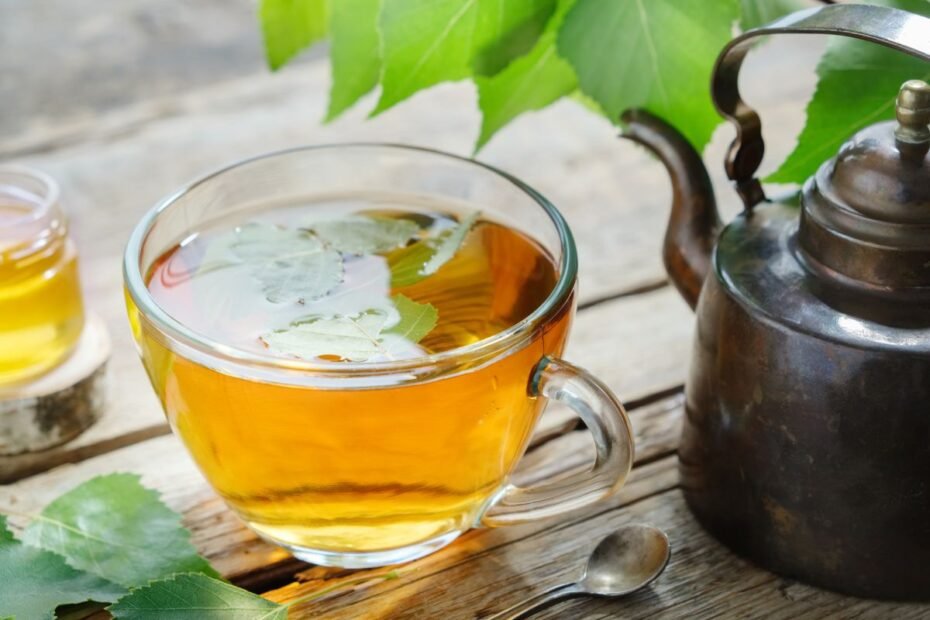
Birch leaf tea may sound unusual, yet birch trees grow in countless gardens, parks, and forests throughout many parts of Europe. Despite their familiar presence, most people know surprisingly little about the remarkable health benefits hidden within their leaves. Birch leaf tea ranks among the easiest herbal infusions to prepare and one of the most accessible natural remedies available. After tasting it, many people wonder why they never tried it before.
One of the greatest advantages of birch leaf tea is its availability throughout the entire warm season. You only need a handful of fresh leaves and a cup of hot water to enjoy this refreshing and beneficial drink. Understanding how to harvest birch leaves correctly, prepare this herbal tea properly, and benefit from the valuable compounds they contain allows you to make the most of this remarkable gift from nature.
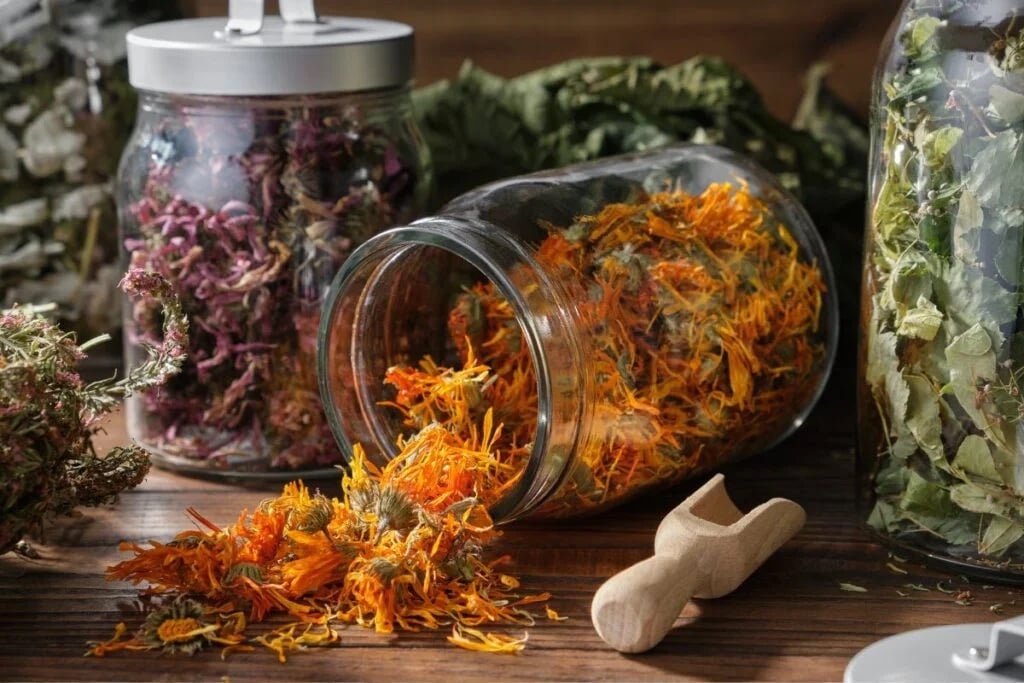
Which Birch Leaves Work Best for Tea?
The birch (Betula) belongs to the birch family and includes numerous species of trees and shrubs. They thrive across temperate and cold regions of the Northern Hemisphere, as well as mountainous subtropical areas. Birch trees tolerate drought, cold temperatures, and poor soils remarkably well.
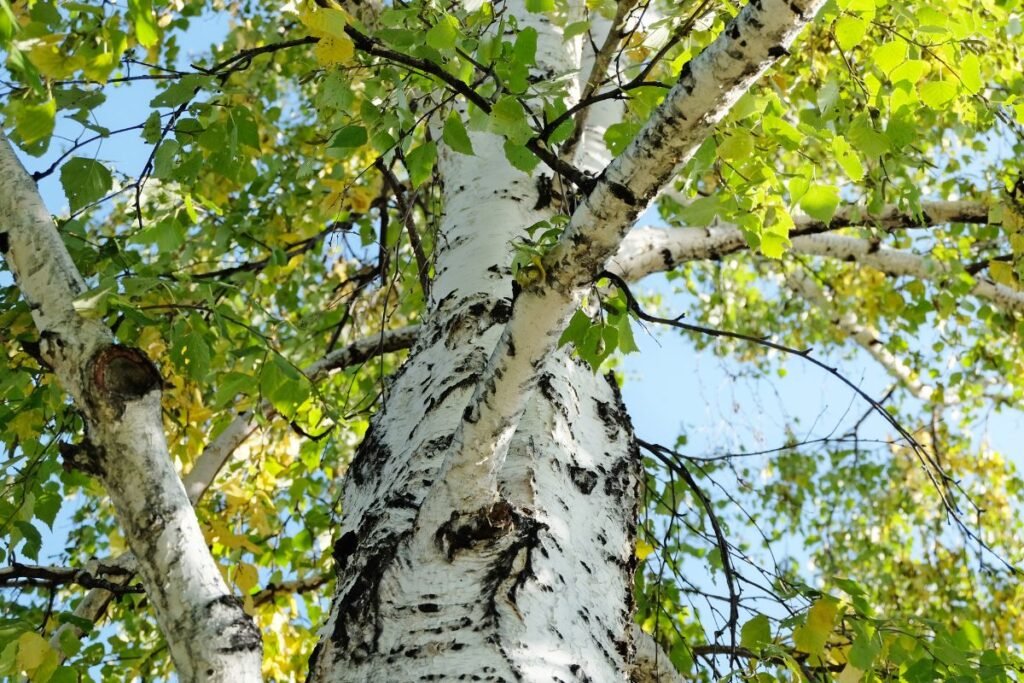
It is a light-loving tree or shrub that stands out from other trees due to the white color of its trunk. The leaves are simple, egg-shaped or diamond-shaped, serrated, and either smooth or hairy. The flowers are arranged in catkins and are unisexual. Therefore, birches are either female or male. The fruit of the birch is a single-seeded winged nut.
Their distinctive white bark makes them easy to recognize among other tree species.
The most popular birch species are the following:
- Silver birch (Betula pendula)
- Downy birch (Betula pubescens)
- Dwarf birch (Betula humilis)
- Arctic dwarf birch (Betula nana)
- Gardeners and landscapers also cultivate several ornamental species imported from other regions.
Herbalists primarily use the leaves, buds, and bark of silver birch and downy birch for medicinal purposes. When discussing birch leaf tea, these two species provide the leaves traditionally selected for preparation. Fortunately, confusion rarely occurs because the remaining native species grow much less frequently and typically appear as shrubs rather than trees.
When Should You Harvest Birch Leaves?
Young birch leaves contain the highest concentration of beneficial compounds and therefore produce the most valuable tea. Harvesting should begin shortly after the leaves reach their full size. May usually offers the ideal harvesting period, although local weather conditions may influence the exact timing.
Leaves collected later in the season still make a pleasant and refreshing beverage, but they generally contain lower concentrations of active compounds. As a result, tea prepared from mature leaves serves better as a thirst-quenching drink than as a traditional herbal remedy.
Always gather leaves from clean environments located far from busy roads, industrial areas, and other sources of pollution. Forests, woodland edges, and rural locations provide the best harvesting conditions.
Preparing Birch Leaves for Tea
Birch leaves can be used fresh immediately after harvesting. They can also be dried, frozen, or fermented for later use.
Drying Birch Leaves
Select young, healthy leaves that have fully developed. Spread them in a single layer on clean, natural fabric or paper. Then, place them in a bright, dry, and well-ventilated area protected from direct sunlight. Attics, shaded rooms, and dry storage spaces work particularly well.
Turn the leaves several times each day to ensure even drying. Once they become completely dry, store them in tightly sealed paper bags or cloth sacks and keep them in a cool, dry place away from sunlight. Properly stored dried leaves retain their quality for up to one year.
Freezing Birch Leaves
Freezing preserves even more beneficial compounds than drying. Place freshly harvested young leaves into freezer-safe bags and store them in the freezer until needed. Anyone with sufficient freezer space should consider freezing at least part of the harvest to maximize its nutritional value.
Fermenting Birch Leaves
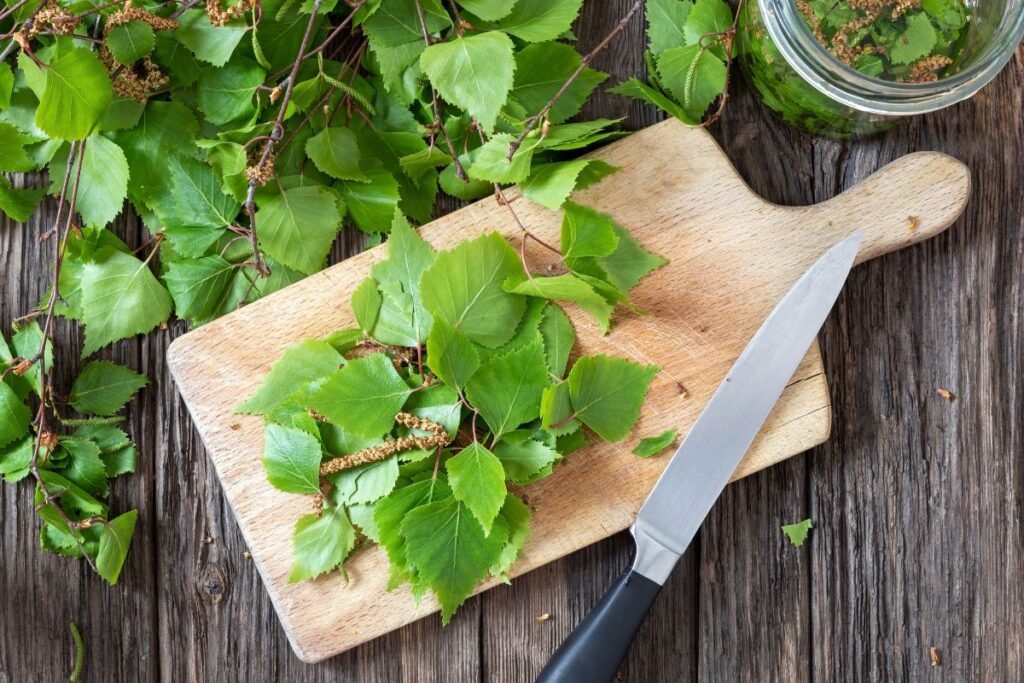
Fermentation enhances both flavor and aroma while preserving many valuable compounds. Slightly wilt the leaves or place them in the freezer for several hours. Crush or roll them between your hands until they release their juices. Pack the leaves tightly into a glass jar, eliminate air pockets, and close the lid.
Keep the jar in a warm place for one to three days. After fermentation, spread the leaves out to dry thoroughly. Store the finished product in an airtight glass or ceramic container. The tea develops its full flavor and character after approximately one month of storage.
Health Benefits of Birch Leaf Tea
Birch leaf tea offers an impressive range of potential health benefits thanks to its rich nutritional and phytochemical profile.
- Young birch leaves contain significant amounts of vitamin C and flavonoids. These compounds strengthen the immune system and help protect cells against oxidative stress caused by free radicals.
- Birch leaf tea supports the body’s natural cleansing processes. Chlorogenic acid, one of its key components, manages healthy liver function and assists metabolic processes involved in detoxification.
- The tea contains dietary fiber and plant compounds that encourage healthy digestion, support bowel regularity, and help relieve occasional constipation.
- Birch leaves contain saponins, compounds that support healthy circulation. Regular consumption may contribute to cardiovascular wellness and complement strategies aimed at maintaining healthy blood vessels.
- Thiamine and other naturally occurring nutrients found in birch leaves support normal nervous system function. Many people appreciate the tea for its calming and relaxing qualities.
- Vitamin A plays an essential role in maintaining healthy skin, strong hair, and normal cellular regeneration. Birch leaf tea provides a natural source of this important nutrient.
- Birch leaves contain naturally stimulating compounds that can promote focus, concentration, and mental clarity while providing a gentle energy boost.
- Phytoncides found in birch leaves possess natural antimicrobial properties. Traditional herbal medicine often uses birch leaf tea to support urinary tract health and assist the body during respiratory conditions such as bronchitis, laryngitis, and tracheitis.
Possible Side Effects and Precautions of Birch Leaf Tea
Although birch leaf tea offers many benefits, certain individuals should exercise caution or avoid consumption altogether.
People who should consult a healthcare professional before drinking birch leaf tea include:
- Pregnant women
- Breastfeeding mothers
- Individuals with diabetes or hypoglycemia
- People with kidney or liver disorders
- Those taking blood-thinning medications
- Individuals with known birch pollen allergies
- People allergic to celery, wild carrot, or mugwort
- Individuals with high blood pressure
Anyone considering regular consumption of birch leaf tea should discuss potential benefits and risks with a physician or pharmacist, especially when managing existing health conditions or taking prescription medications.
How to Prepare Birch Leaf Tea
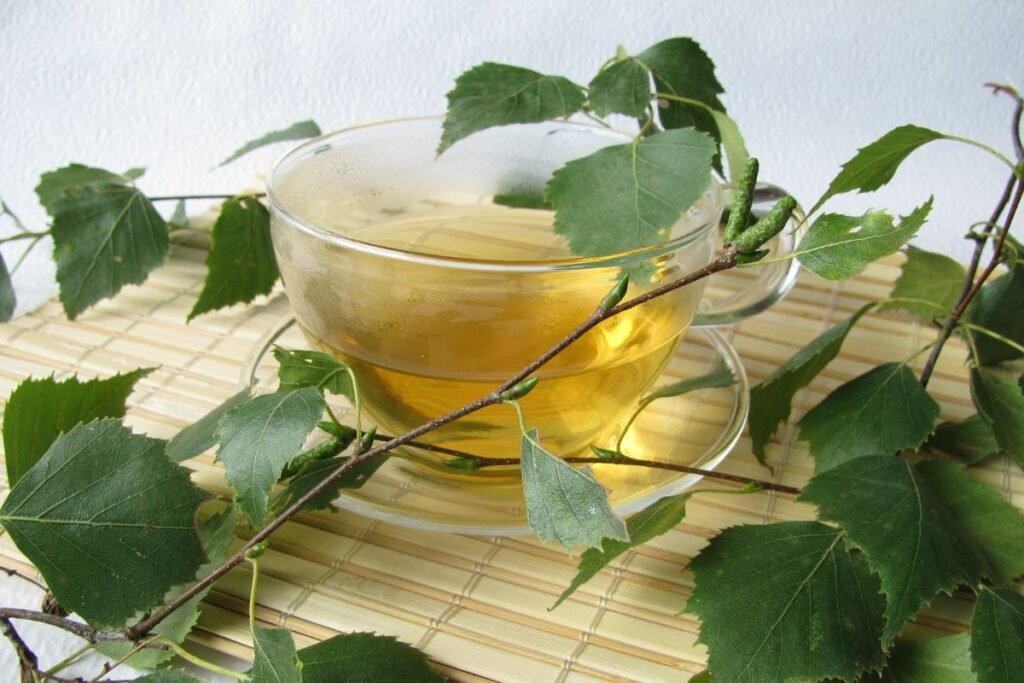
Birch leaf tea offers a flavor profile similar to green tea, accompanied by a pleasant green color and subtle earthy notes. Many people detect a mild bitterness balanced by delicate peppery undertones. A teaspoon of honey complements these flavors beautifully.
Ingredients for One Cup
- 2 teaspoons dried birch leaves or 3–5 fresh or frozen leaves
- 1 cup freshly boiled water
Preparation:
Place the birch leaves in a cup and pour freshly boiled water over them. Cover the cup and allow the tea to steep for 10–15 minutes. Strain the leaves before drinking.
You can enjoy birch leaf tea hot during cooler days or serve it chilled as a refreshing summer beverage.
Birch leaf tea represents one of nature’s simplest and most accessible wellness drinks. It offers a particularly valuable choice during spring, when many people feel tired and depleted after winter. With its refreshing taste, ease of preparation, and impressive range of potential health benefits, birch leaf tea deserves a place among the most appreciated traditional herbal infusions. If you have never tried it before, the next warm season presents the perfect opportunity to discover this remarkable natural beverage.
Sources:
- https://www.healthygreensavvy.com/birch-tea-leaf-bark/
- https://naturallybalanced.org/en/birch-extract-tea/
- https://northwildkitchen.com/birch-tea-bjorkete/
- https://holytea.nl/blogs/journal/10-amazing-benefits-of-birch-leaves-tea
- https://www.webmd.com/vitamins/ai/ingredientmono-352/birch
Associative photos ©Canva.