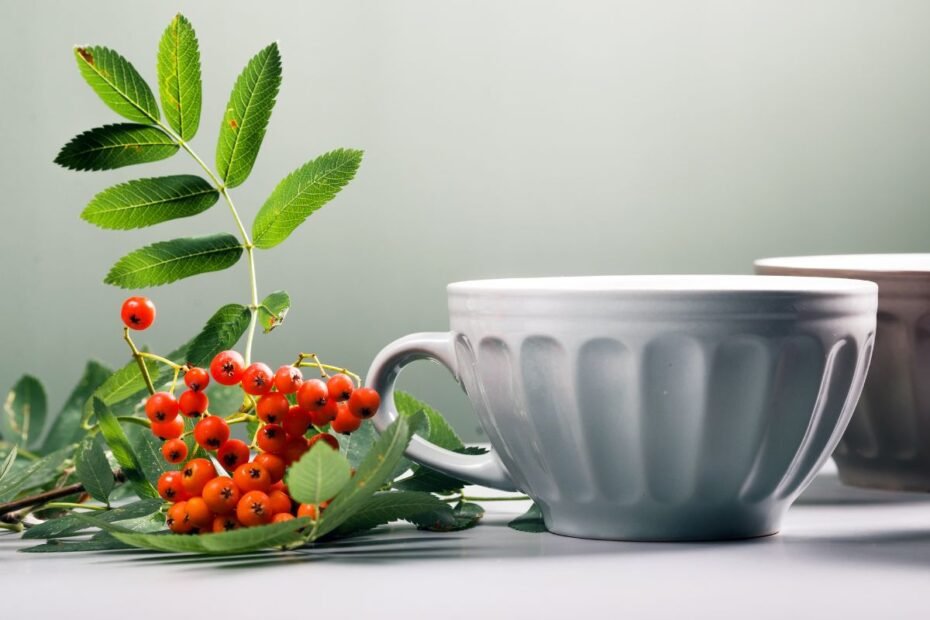
Rowan trees belong to the Rosaceae family and are widely distributed across Europe, Asia, and North America. People most often cultivate it as an ornamental plant because of their delicate blossoms and vivid orange berries. However, rowan berries are not only visually appealing and flavorful—they also offer remarkable health benefits. One of the most popular ways to enjoy them is rowan berry tea.
Rowan has been used in traditional medicine for thousands of years. Thanks to their high vitamin C content, people have long valued rowan berries as a natural remedy for colds and influenza. In addition, the antioxidants in rowans strengthen the immune system. Interestingly, not only the berries but also the flowers and leaves of the rowan tree contain compounds that people traditionally used to treat various skin conditions and inflammatory issues.
Today, supported by both ancient practices and modern scientific research, the health benefits of rowan are gaining increasing recognition. These trees are no longer seen merely as decorative features in gardens but as valuable natural resources that can be enjoyed in many forms—rowan tea being one of the most accessible and beneficial.

Health Benefits of Rowan Berries and Flowers
- Immune Support and Disease Prevention. Due to their high concentration of vitamin C, rowan berries serve as a powerful ally for the immune system. Regular consumption of rowan tea may help the body recover more quickly from colds or flu. The antioxidants present in rowan work synergistically with vitamins and minerals to enhance immune defenses and help combat viruses and bacteria.
- Cardiovascular Health. Rowan berries contain flavonoids that help strengthen blood vessel walls, thereby reducing the risk of heart disease. Their antioxidant compounds may also lower blood pressure and cholesterol levels, which are two major risk factors for cardiovascular conditions. Additionally, rowan may improve circulation, help prevent arterial blockages, and reduce the risk of stroke.
- Digestive Support. The tannins found in rowan berries can help regulate digestion and alleviate symptoms such as diarrhea or constipation. These berries may also act as a mild natural laxative. Furthermore, they can help reduce inflammation within the digestive tract, including conditions such as gastritis or ulcers.
- Antioxidant Protection and Cellular Health. Rowan berries are rich in antioxidants that help neutralize free radicals, which are one of the primary causes of cellular damage. By counteracting these harmful molecules, antioxidants in rowan may help protect cells from premature aging, mutations, and the development of cancer. Compounds such as quercetin may also help shield skin cells from damage caused by ultraviolet radiation.

Popular Rowan Berry Tea Combinations
Rowan tea has a unique and recognizable flavor that you can enhance by blending it with other herbs and plants. Here are several popular combinations and ideas for experimentation:
- Rowan and Chamomile. The gentle nature of chamomile, combined with the tartness of rowan, creates a harmonious and soothing blend with calming properties.
- Rowan and Lemon Balm. The citrusy notes of lemon balm paired with the brightness of rowan produce a refreshing drink, ideal for warm summer days.
- Rowan and Mint. Cooling mint complements the tangy flavor of rowan, resulting in a revitalizing and refreshing infusion.
- Rowan and Ginger. The warmth and spice of ginger enhance the richness of rowan, making this combination especially comforting during colder months.
- Rowan and Rosemary. This pairing offers a more unusual flavor profile, where the subtle herbal notes of rosemary beautifully balance the intensity of rowan berry tea.
In everyday life, rowan berry tea can become a moment of personal calm—a soothing cup after a long day or a morning ritual that energizes and supports the immune system. It also offers an opportunity to step away from routine by experimenting with flavors and creating unique, personalized blends.
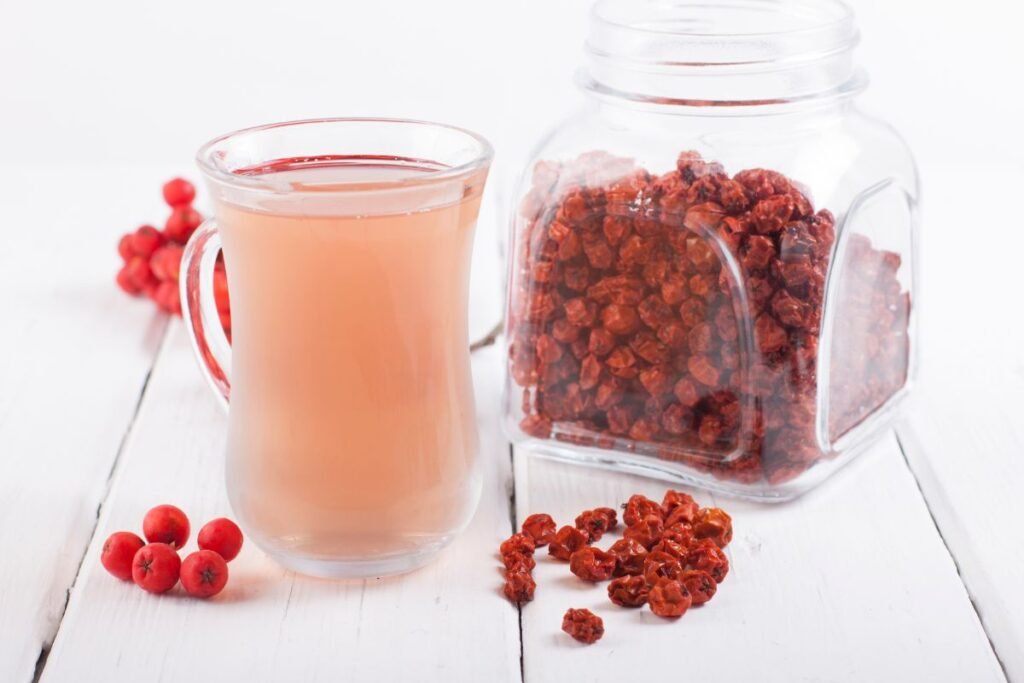
Classic Rowan Berry Tea Recipe
Ingredients:
- 1–2 teaspoons of dried rowan berries
- 250 ml of water
- Optional sweeteners: honey, lemon, cinnamon, or other spices to taste
Rinse the dried rowan berries thoroughly. Bring the water to a boil, then add the berries. Allow them to simmer gently over low heat for about 10–15 minutes. Remove from heat and let the tea steep for an additional 5–10 minutes. Strain the liquid to remove the berries. Add honey or lemon juice to rowan berry tea if you prefer, and enjoy.
Rowan Flower Tea
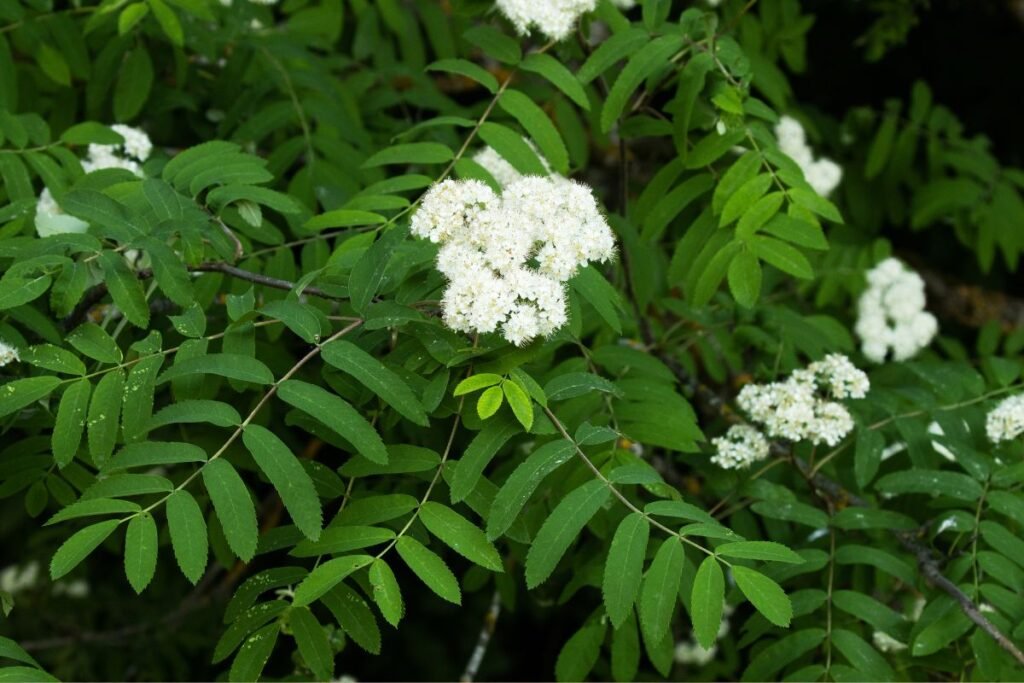
Although less commonly used than the berries, rowan flowers can also be made into a delicate and aromatic tea with subtle floral notes and potential health benefits.
Ingredients:
- 1–2 teaspoons of fresh or dried rowan flowers
- 250 ml of boiling water
If using fresh flowers, rinse them thoroughly and allow excess water to drain. Place the flowers in a cup and pour boiling water over them. Cover and let steep for 5–10 minutes. Strain and serve.
Tips for Enhancing Flavor and Aroma:
- Add a spoonful of honey for sweetness.
- A few drops of lemon juice or a thin strip of lemon zest can enhance the aroma.
- Combine with other herbs or flowers, such as chamomile or lemon balm, for a richer taste.
Rowan flower tea may have a calming effect, helping to promote relaxation after a long day. The rowan flowers may also contain antioxidants, which combat free radicals.

Potential Side Effects and Safety Considerations
It is important to note that raw rowan berries contain significant amounts of parasorbic acid, which can cause kidney damage, digestive issues, and other health problems if consumed improperly. However, when you freeze or heat the berries, this compound converts into sorbic acid, which is safe and even beneficial for the body. Therefore, rowan berries should always be prepared properly before consumption to ensure safety and maximize their benefits.
As with many natural products, moderation is key. Consuming large quantities of raw rowan berries may lead to nausea or vomiting, especially in individuals unaccustomed to them. It is also believed that the seeds of rowan fruits contain small amounts of hydrogen cyanide—the same compound responsible for the characteristic flavor of almonds. While small amounts are generally considered safe and may even aid respiration and digestion, excessive intake can be dangerous. It may lead to serious symptoms such as shortness of breath or, in extreme cases, death. For this reason, rowan berries should always be consumed responsibly and in moderate quantities.
Sources:
- https://www.organicfacts.net/health-benefits/fruit/rowan-berries.html
- https://plantura.garden/uk/trees-shrubs/rowan-tree/rowan-berries
- https://www.healthygreensavvy.com/mountain-ash-berries-rowan/
Associative photos © Canva.