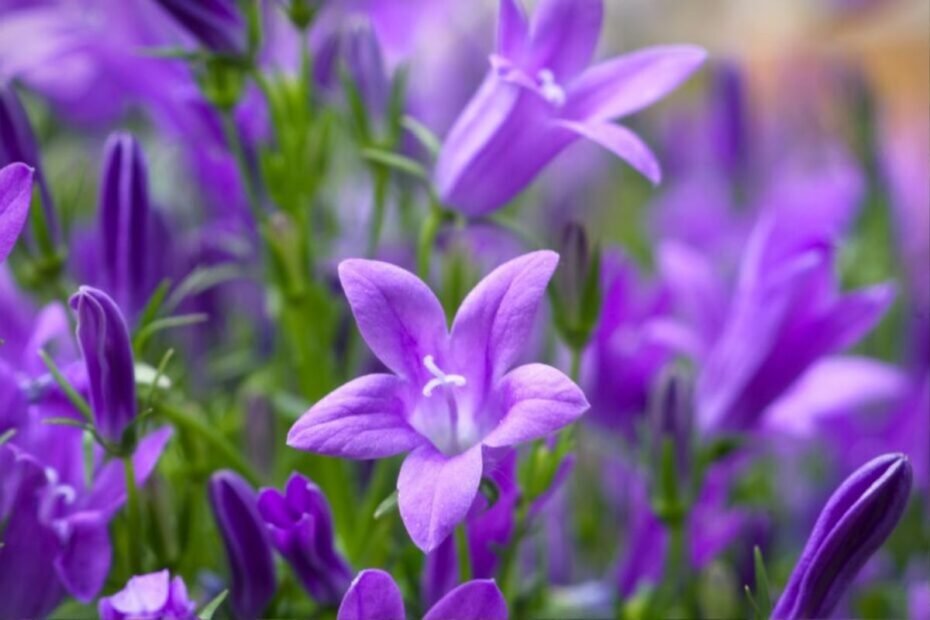
Bellflower (Campanula) belongs to a genus of plants in the bellflower family (Campanulaceae). It is widely distributed across the temperate regions of the Northern Hemisphere. Bellflowers may be annuals, biennials, or perennials. People value them not only as ornamental plants but also for their practical uses, such as bellflower tea.
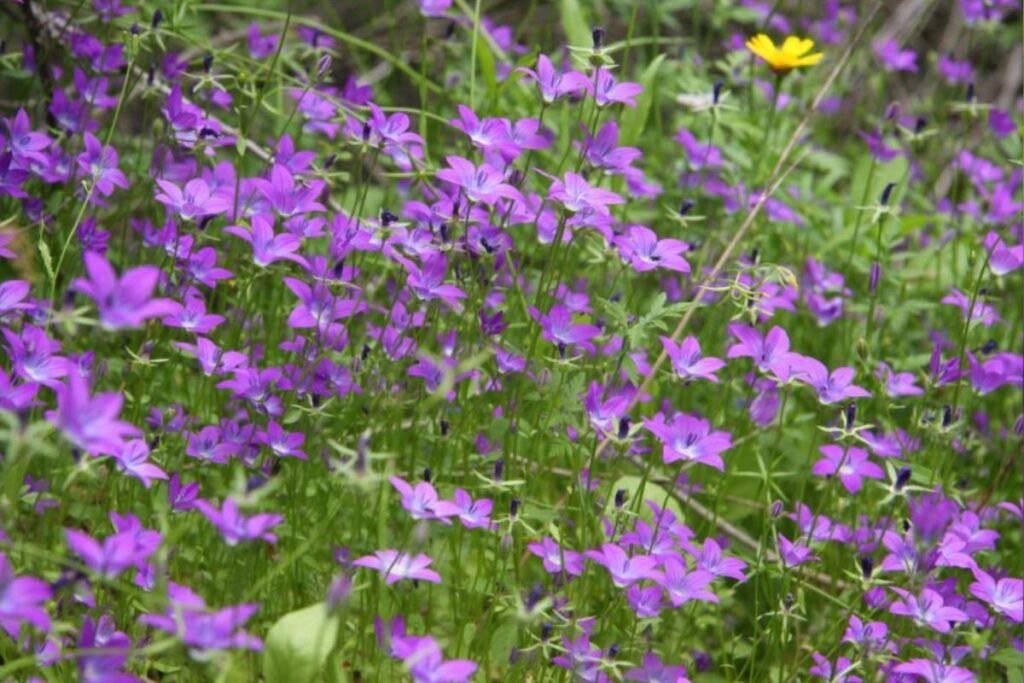
The leaves of bellflowers are entire, without serrations. Their blossoms are bell-shaped and grow in clusters or panicles. They bloom in shades of blue, light blue, white, or violet. The fruit is a capsule.
People can cultivate bellflowers both outdoors and in containers. There are approximately 300–400 species of this plant worldwide, with about 10 species growing naturally in some European countries. Broad-leaved bellflower (Campanula latifolia), peach-leaved bellflower (Campanula persicifolia), and Canterbury bells (Campanula medium) are common flower bed ornamental plants. The roots and leaves of creeping bellflower (Campanula rapunculoides) are edible, while clustered bellflower (Campanula glomerata) is known as a medicinal plant.
Harvesting and Preparation of Bellflowers
Phytotherapy uses the leaves, stems, flowers, and roots of perennial bellflowers. The harvesting period includes from June to August (during the flowering period), collecting the aerial parts and fresh roots.
For culinary purposes, people collect young bellflower leaves in early May and during flowering, while digging the roots in early spring or late autumn. When cutting the tops, it is advisable to leave the strongest shoots for propagation.
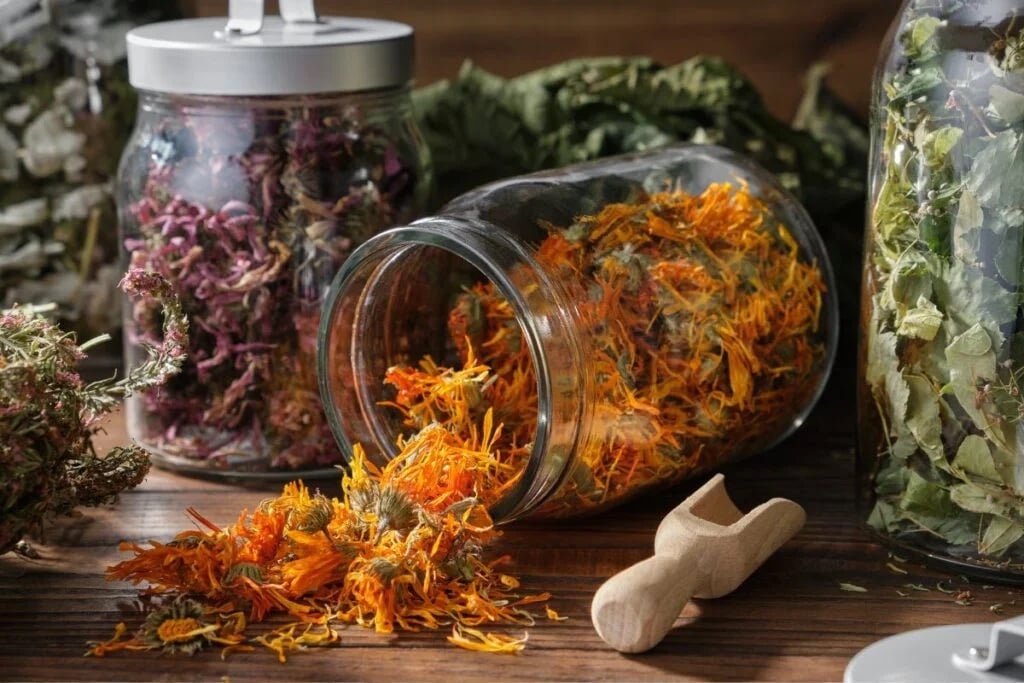
Collected bellflower flowers, leaves, and stems should be dried in a dark, well-ventilated area, tied into small bundles, and kept away from direct sunlight. After drying, you should store the plant material in shallow boxes or paper bags and kept in a dry place. It is important not to compress the dried plants.
Bellflowers and Their Components
Bellflowers contain a wide range of biologically active compounds, including vitamin C, carotene, caffeine, organic acids, quercetin, calcium, magnesium, polyacetylene alcohols, phosphorus, and potassium. Their leaves and flowers are particularly rich in vitamin C.
Many of the beneficial effects of bellflowers lay on their active constituents, such as betulinic acid, saponins, phytosterols, inulin, and glucose. Together with other organic compounds, these substances can act quickly in the body and produce a positive physiological effect. Although bellflowers can be used in cooking, they are most commonly consumed as herbal tea.
Benefits of Bellflower Tea
- Improves digestive function. Bellflower flowers may help relieve pain and discomfort associated with digestive disorders, ulcers, and dysentery. Their anti-inflammatory properties can also help regulate digestion and reduce symptoms of hemorrhoids.
- Supports liver health. Scientific studies indicate that bellflower may improve liver function and overall metabolism. It also exhibits antihelminthic properties and may help protect the body from various parasites.
- Promotes cardiovascular health. Bellflower flowers may help reduce levels of “bad” cholesterol, thereby lowering the risk of heart attack or stroke.
- Eases breathing. Research confirms the beneficial effects of bellflower tea on the respiratory system. Their expectorant properties help break down mucus and phlegm, which may accelerate recovery from colds and assist in eliminating bacteria from the body. In addition, their anti-inflammatory properties may soothe sore throats and prevent respiratory tract infections.
- Relieves pain. Due to their analgesic properties, experts recommend bellflowers for relieving general pain and inflammation, such as after injury or surgery, as well as for individuals suffering from gout, arthritis, and other inflammatory conditions. The active compounds act quickly on different parts of the body, easing both internal and external pain.
- May reduce allergic reactions. Consumption of bellflower may significantly lessen the severity of allergic reactions, offering relief to chronic or seasonal allergies.
- It may serve as a supportive measure in cancer care. Although this property remains a topic of discussion, studies suggest that active compounds in bellflower flowers may reduce the size of tumors associated with various cancers. Furthermore, the antioxidant compounds found in bellflowers effectively neutralize free radicals.
Bellflower Tea in Folk Medicine
In traditional medicine, bellflower has been used for a wide range of purposes:
- as an anti-rheumatic remedy;
- to help treat tonsillitis and stomatitis;
- for glaucoma, atherosclerosis, fever, and sexually transmitted diseases;
- as a wound-healing agent;
- for treating insect bites;
- to alleviate gynecological disorders and premenstrual syndrome (PMS);
- for conditions affecting the central and peripheral nervous systems.
For centuries, practitioners of folk medicine have relied on the healing properties of bellflowers to treat numerous ailments. Even today, decoctions, infusions, and teas prepared from the leaves, seeds, and roots of the plant are widely used in herbal medicine.
What You Can Prepare from Bellflowers
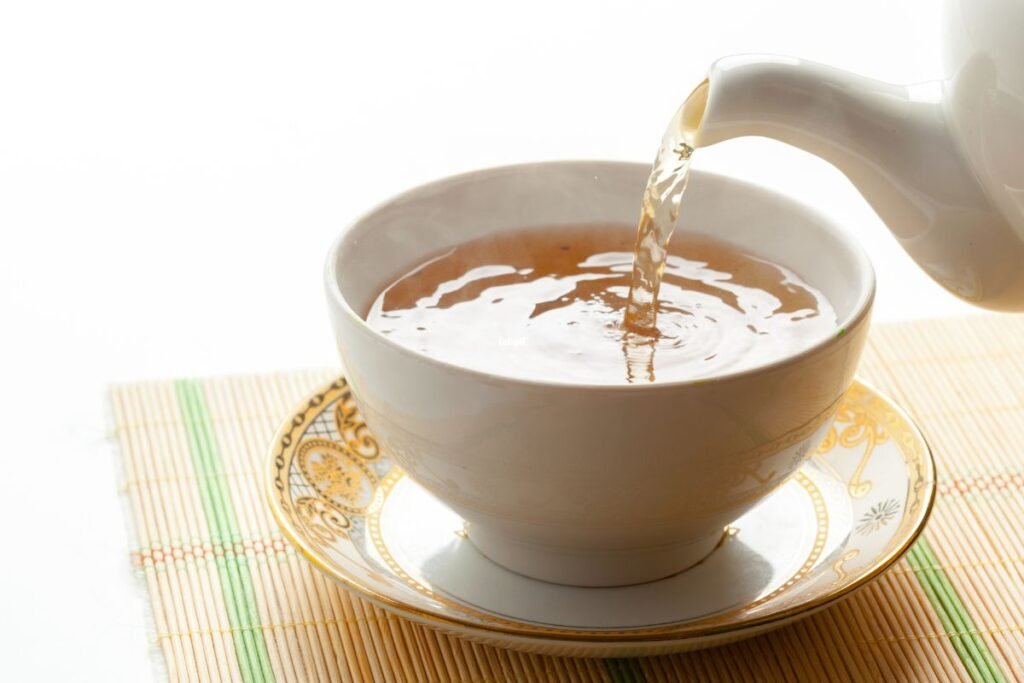
Bellflower Tea
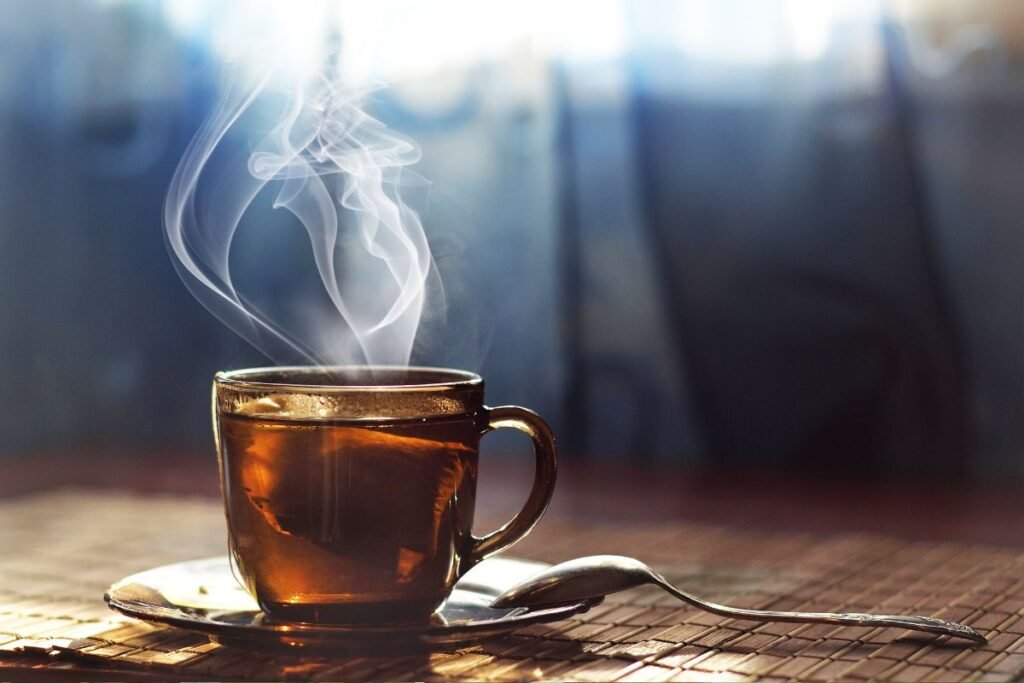
Bellflower tea from leaves. Pour 250 ml of boiling water over 1 tablespoon of dried leaves and let it steep, covered, for about 20 minutes. For colds and flu, drink this tea with the addition of cinnamon. It may also help in cases of stomatitis; rinse the mouth and throat at least three times a day.
Bellflower tea from the flower. Pour 250 ml of boiling water over 1 teaspoon of dried flowers or 5 fresh bellflower blossoms. Allow it to steep for 15–20 minutes. The tea may be consumed hot or cold throughout the day and is traditionally used to address gynecological issues.
Bellflower Infusions
Bellflower infusion. Pour a glass of boiling water over 2 teaspoons of dried herbs, let steep for 15 minutes, then strain. This infusion may be used both externally (for rinsing) and internally. Recommended dosage: 1–2 tablespoons on an empty stomach, 2–3 times per day. It is traditionally used for gargling in cases of colds, sore throats, and stomatitis. Historically, it was also applied to dog bites, while herbal compresses were used for treating herpes infections and nail bed inflammation.
Bellflower bath infusion for stress relief. Pour 1 liter of boiling water over 1 tablespoon of bellflower stems and leaves, and let steep for about one hour. Add the infusion to bathwater and soak for at least 15 minutes.
Infusion for eczema, psoriasis, and burns. Pour 500 ml of boiling water over 2 teaspoons of dried bellflowers and keep in a thermos for 4 hours. Add the infusion to the bathwater during bathing.
Infusion of dried bellflower leaves and stems. Recommended for sciatica or rheumatic conditions. Pour 500 ml of water over 4 tablespoons of dried herbs, bring to a boil, and let stand for 30 minutes. Soak the gauze in the infusion and apply it to the painful areas.
Flower infusion. Traditionally used to treat epilepsy in adults and children. Pour a glass of boiling water over 1 teaspoon of powdered dried flowers and keep in a thermos for about one hour. Strain before use. Take 25 ml before meals.
Bellflower herb infusion (without flowers). Pour 500 ml of boiling water over 3 tablespoons of the herb, let steep for no longer than 2 hours, then strain. Drink 75 ml several times a day. This infusion is used as a pain reliever for stomach and kidney ailments and may also help alleviate headaches.
Other Bellflower Preparations
Root decoction. Pour 500 ml of boiling water over 1 tablespoon of fresh bellflower roots. Place the container in a larger pot of water and heat gently over low heat for 2 hours. Take 25 ml after meals. This decoction may help in the treatment of atherosclerosis, internal bleeding, glaucoma, and sexually transmitted diseases.
Alcohol-based bellflower tincture. Use 1 part bellflower stems with leaves and 10 parts alcohol or vodka. After pouring the alcohol over the herbs, leave the mixture to infuse for 2 weeks in a dark, room-temperature location. Dilute 1 teaspoon of the tincture in 125 ml of water and use it to gargle for a sore throat.
Perennial bellflower leaves. Fresh leaves, crushed into a powder, may help treat burns and various wounds.
For the skin. Mix 1 tablespoon of sour cream, 1 teaspoon of finely chopped fresh bellflower, and 3–4 drops of vegetable oil. Apply the mixture to the face for 10 minutes, then rinse off. A bellflower infusion also refreshes the skin.
Possible Side Effects of Bellflower
Although bellflowers possess many beneficial properties, they may be harmful to individuals who:
- are intolerant to the plant’s components;
- suffer from diseases of the blood-forming organs;
- have exacerbated chronic conditions;
- are pregnant or breastfeeding;
- are younger than 6 years of age.
Sources:
https://www.ncbi.nlm.nih.gov/pmc/articles/PMC2997413/
https://www.sciencedirect.com/science/article/abs/pii/S0378874115000677
https://www.spandidos-publications.com/ijmm/31/6/1357?text=fulltext
Associative photos © Canva.