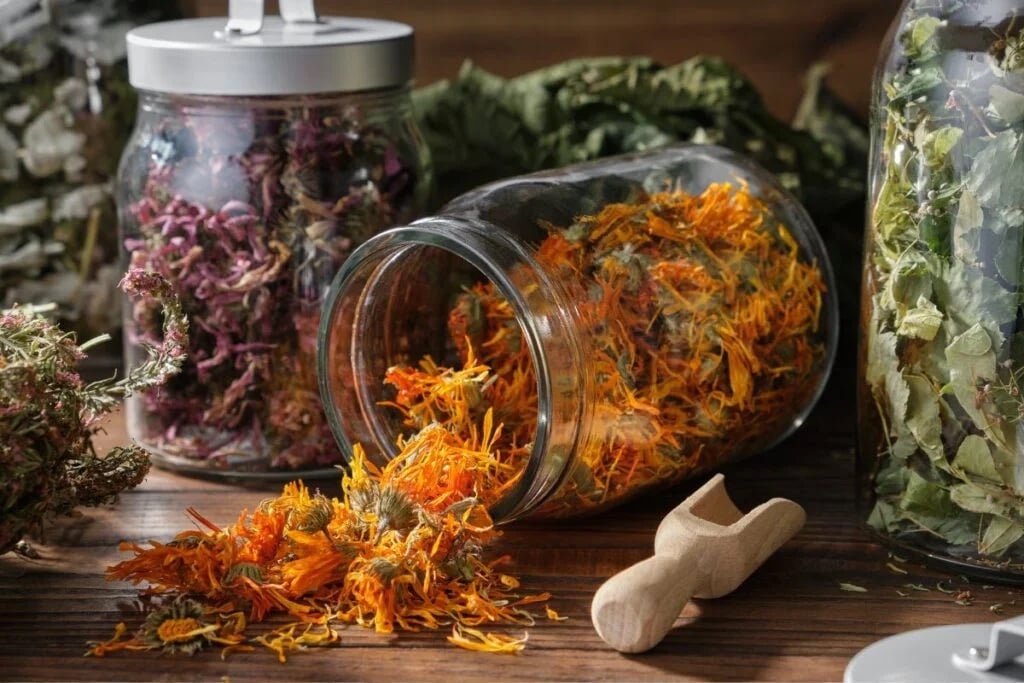
Spanish sage (Salvia hispanica), more commonly known as chia, is a flowering plant from the mint family (Lamiaceae) and the sage genus. It originates from Central and Southern Mexico as well as Guatemala. The plant is cultivated mainly for its edible seeds, which are widely used in food. The word “chia” in the Aztec language means “oily.” Chia seed tea sounds a bit unexpected, so let’s explore its benefits and preparation options.
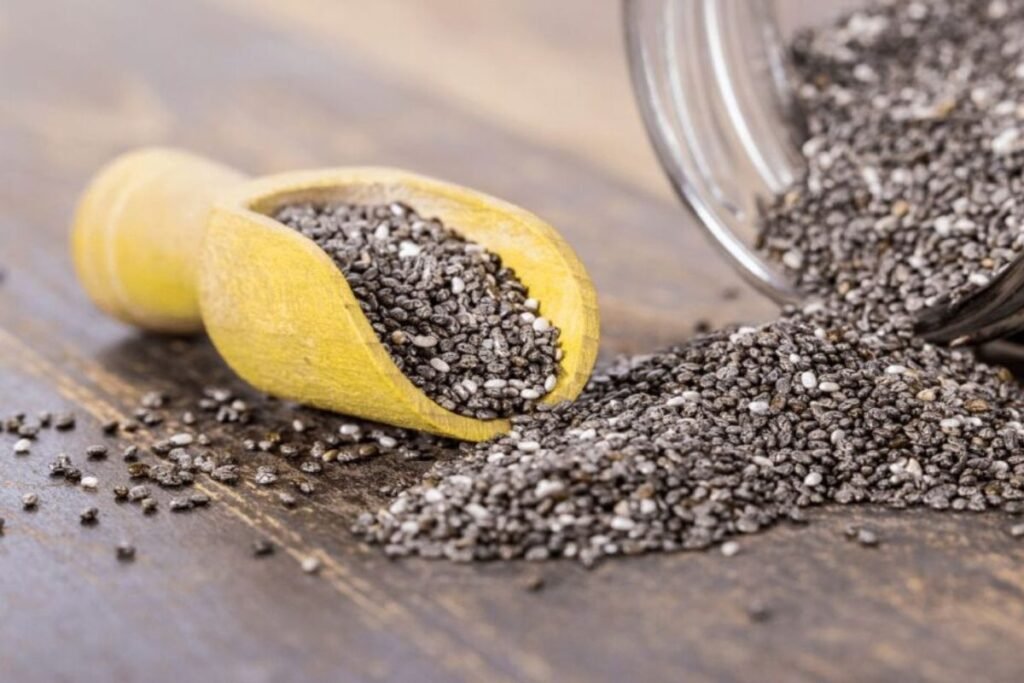
First, let’s familiarize ourselves with the Spanish sage plant. It is an annual herbaceous plant that can reach up to 1.75 meters in height, with leaves about 4–8 cm long and 3–5 cm wide. It has purple or white flowers, which bloom in clusters at the ends of the stems. Chia seeds are small and oval-shaped, roughly 1 mm in diameter, and come in mixed shades of brown, gray, black, and white. They can absorb up to 12 times their weight in liquid.
A Glimpse into History
The history of Spanish sage dates back to the 16th century, when the Aztecs grew it as a staple crop. In fact, people in 21 of the 38 Aztec provinces paid their annual taxes with chia seeds. The seeds were also offered to priests for religious rituals. Jesuits once considered chia as the third most significant Aztec crop, after maize and beans.
Indigenous people ground roasted chia seeds into flour and used them to make nourishing drinks. If mixed with water and pepper, people may store this flour for long periods—it was both highly nutritious and satisfying. Although chia is not a real cereal grain, it is often grouped with pseudocereals such as buckwheat, amaranth, and quinoa due to its similar nutritional value and culinary uses.
Today, Salvia hispanica is grown across Mexico, Guatemala, Bolivia, Ecuador, Colombia, Nicaragua, northwestern Argentina, parts of Australia, and the southwestern United States. In Kentucky, new varieties have been developed that can grow in northern U.S. climates. Chia plants thrive in dry conditions—excessive rainfall can cause them to rot.
In Europe, the northern part of North America, other continents, and countries, the plant itself does not grow naturally. Nevertheless, its seeds are widely available through import and are promoted as a superfood with numerous health benefits.
The Hidden Power of Chia Seeds
Though tiny, chia seeds are remarkably nutrient-dense. Both Aztec and Mayan civilizations used them as food, medicine, in cosmetics, and for religious ceremonies. Nowadays, people worldwide enjoy chia seeds.
Two tablespoons (28 g) of chia seeds provide approximately 138 calories, 4.7 g protein, 8.7 g fat, 5 g alpha-linolenic acid, 11.9 g carbohydrates, and 9.8 g fiber. They also contain calcium (14% DV), iron (1.5 mg), vitamin D (12% DV), magnesium (23% DV), phosphorus (20% DV), zinc (12% DV), vitamin B1 (15% DV), and vitamin B3 (16% DV). In short, chia seeds are rich in fiber, protein, omega-3 fatty acids, and a variety of essential minerals.
Health Benefits of Chia Seeds
Because chia seeds are packed with nutrients, they can contribute to overall health and may help in the prevention of various diseases:
- Rich in Antioxidants—Chia seeds contain antioxidants such as chlorogenic acid, caffeic acid, myricetin, quercetin, and kaempferol. These compounds protect both the seeds and your body from oxidative damage, helping slow aging processes and reduce the risk of conditions like cancer and heart disease.
- Supports Weight Management – The high fiber and protein content may promote satiety and help control appetite. In one study, participants who ate yogurt with chia seeds reported feeling fuller and consumed fewer calories than those who ate plain yogurt. While chia alone won’t cause weight loss, it can be a valuable part of a balanced, nutritious diet.
- Heart Health – The omega-3 fatty acids and fiber in chia may help lower blood pressure and reduce cardiovascular risk. Some studies have shown that chia supplements can significantly reduce blood pressure in people with hypertension.
- Bone Strength—Chia seeds are a brilliant source of calcium, phosphorus, and magnesium, all of which support bone health. Regular consumption may help maintain strong bones.
- Blood Sugar Regulation—Thanks to their high fiber content, chia seeds may help stabilize blood sugar levels. Studies indicate that bread made with chia seeds causes a smaller spike in blood glucose compared to bread without chia.
Adding Chia Seeds to Your Diet
Chia seeds are incredibly versatile. They have a mild, neutral flavor, making them easy to add to nearly any dish. There’s no need to grind or cook them—they can be eaten raw, soaked in juice, or mixed into oatmeal, puddings, smoothies, or baked goods. Sprinkle them over cereal, yogurt, vegetables, or rice dishes.
They also make an excellent egg substitute in vegan baking due to their gel-forming properties. Mix them with water to create a natural thickener for sauces, soups, or desserts.
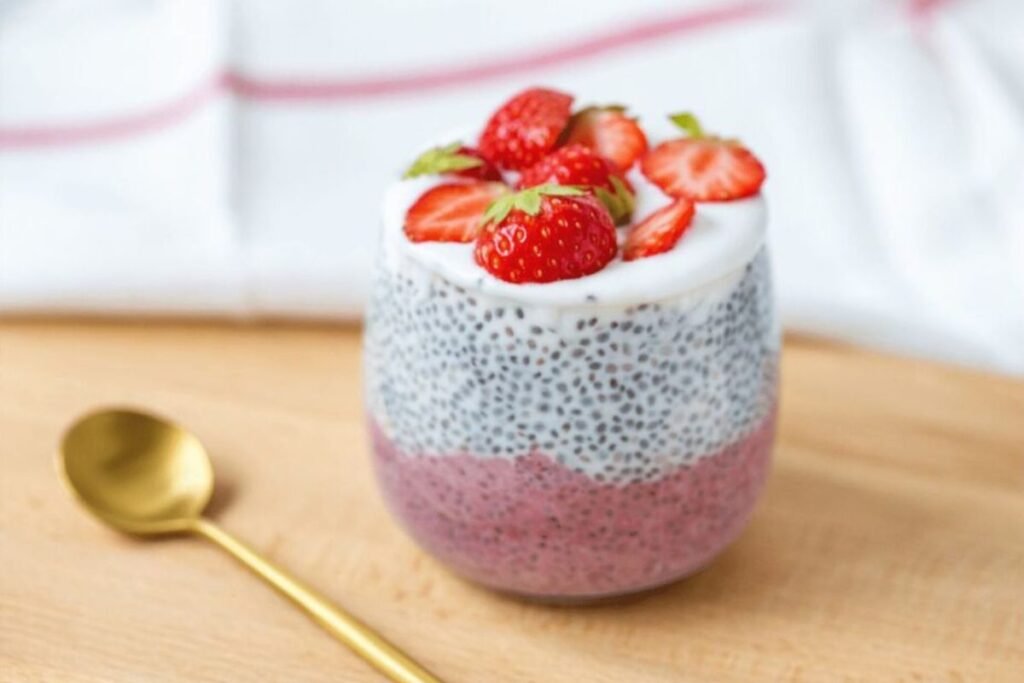
Chia Seed Pudding
If you haven’t yet tried chia pudding, now’s the perfect time!
How to make it:
- Mix 2 tablespoons (28 g) of chia seeds with ½ cup (120 ml) of milk of your choice.
- Sweeten with 1 teaspoon of maple syrup or ½ teaspoon of honey.
- Stir well and refrigerate for a few hours or overnight.
- Before serving, top with fresh fruit, nuts, or additional seeds.
You can get creative with flavor combinations—try nut butter, mashed berries, cocoa powder, fruit purees, kefir, or plant-based milk.
Chia Seed Tea: A Refreshing Idea
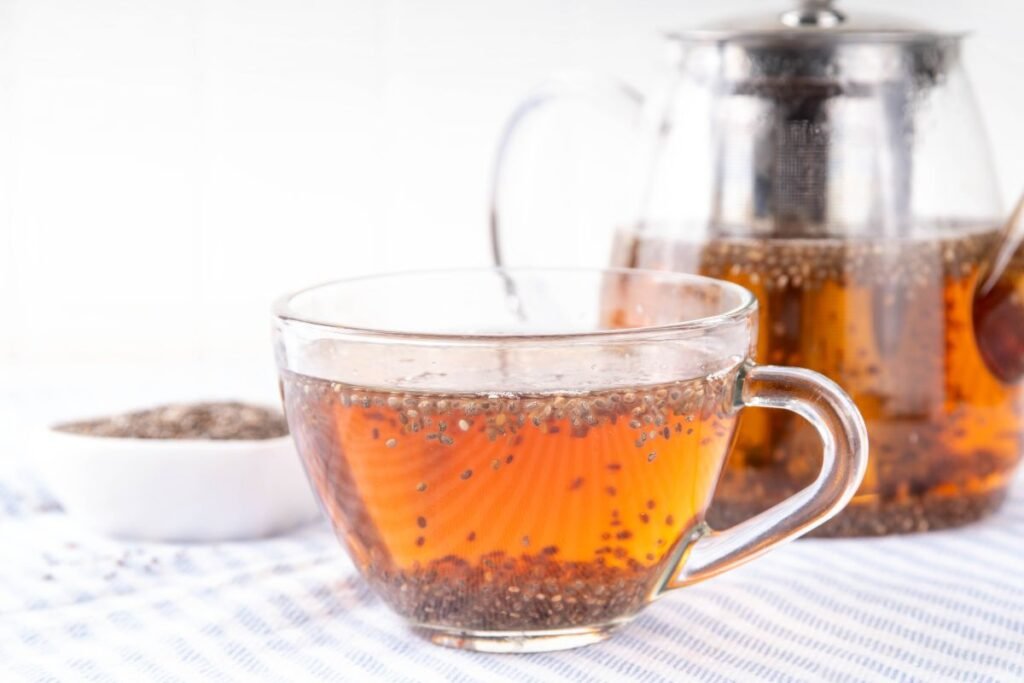
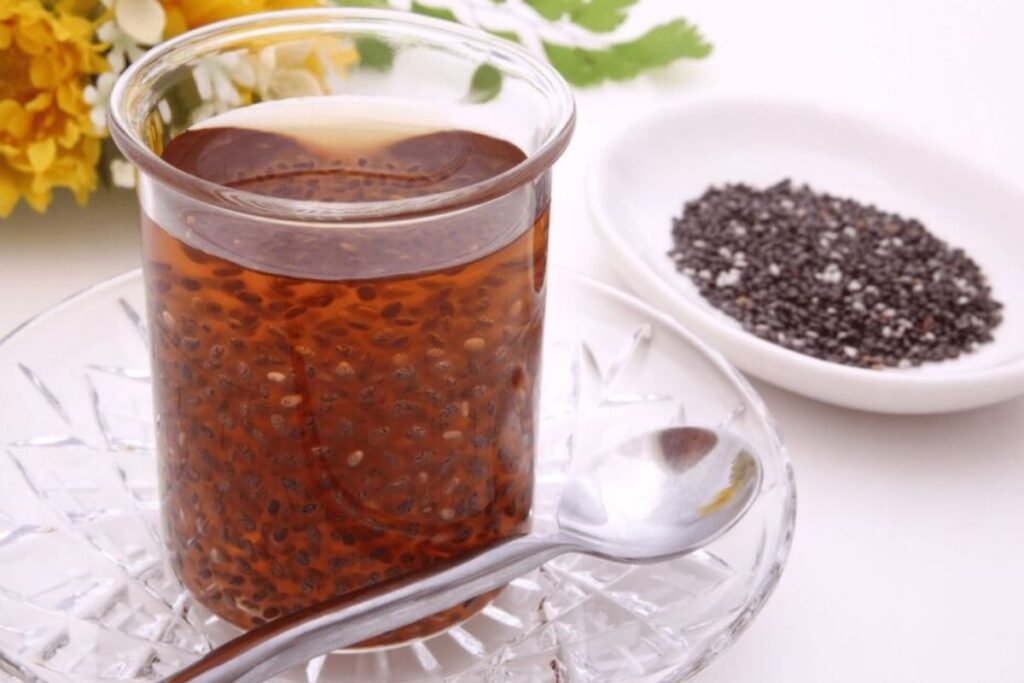
A simple way to include chia in your diet is chia seed tea—a refreshing drink similar to Japanese bubble tea. When soaked, the seeds absorb water, forming a gel-like texture. By the way, this tea preparation is simple and suitable for kids!
You’ll need:
- Your favorite brewed tea
- 1 cup of water
- 1 teaspoon of chia seeds
- A sweetener (such as honey or sugar)
Add the chia seeds to your warm tea, stir well, and let them soak for 10–15 minutes until they swell. The consistency will depend on the tea-to-seed ratio. Stir occasionally to prevent clumping.
You can use almost any tea—mint, hibiscus, raspberry, pomegranate, fireweed, green, or black. Experiment with the number of seeds for your preferred thickness. For a chilled version, refrigerate the tea for at least 2 hours—the seeds will expand further, making a gel-like consistency.
In addition to experimenting with different types of tea, you can also play around with the ratio of liquid to chia seeds. Adding one teaspoon of chia seeds per cup will result in a fairly thick drink. If you’re making chia tea for the first time, it’s best to start with a smaller amount of seeds until you find your preferred consistency.
For cold chia tea, refrigerate the mixture for at least two hours. During this time, the seeds will swell and create a gel-like texture. At first, the seeds will float on the surface, but as they absorb liquid, they’ll gradually sink and distribute more evenly throughout the drink.
Avoid adding chia seeds to very hot tea, as the heat can cause them to clump together. It’s better to let the chia seed tea cool slightly before mixing in the seeds.

Warm Chia Seed Tea
During the colder months, when you crave something soothing and warm, a cup of warm chia tea is an excellent choice.
Add chia seeds to your freshly prepared warm tea, then stir thoroughly to prevent clumping. Let the drink sit for at least five minutes before drinking, allowing the seeds to swell and soften.
Compared to cold chia seed tea, the seeds won’t have enough time to gel, but the texture will still be pleasantly smooth and slightly thick.
To make the drink even more enjoyable, add fresh or frozen fruits once the chia seed tea has cooled slightly. Berries, watermelon, kiwi, orange, or lemon slices work beautifully. You can leave the fruit whole or gently mash it to release some juice; this enhances both the flavor and the color of the drink.
The tea keeps well in the refrigerator for up to four or five days, so you can prepare a larger batch in advance. If you add fruit, keep in mind that its texture may change slightly after sitting in the liquid for a few days.
Possible Side Effects of Chia Seed Tea
Chia seeds are generally well-tolerated. However, if you are not used to a high-fiber diet, consuming too much at once may cause mild digestive discomfort such as bloating or diarrhea.
The recommended daily intake is around 20 g (about 1½ tablespoons) twice a day. Always drink plenty of water, as the seeds absorb liquid in your digestive tract.
Sources and Research:
- https://pubmed.ncbi.nlm.nih.gov/28989578/
- https://pubmed.ncbi.nlm.nih.gov/25403867/
- https://pubmed.ncbi.nlm.nih.gov/33530854/
- https://pubmed.ncbi.nlm.nih.gov/20087375/
- https://pubmed.ncbi.nlm.nih.gov/23778782/
Associative photos © Canva.